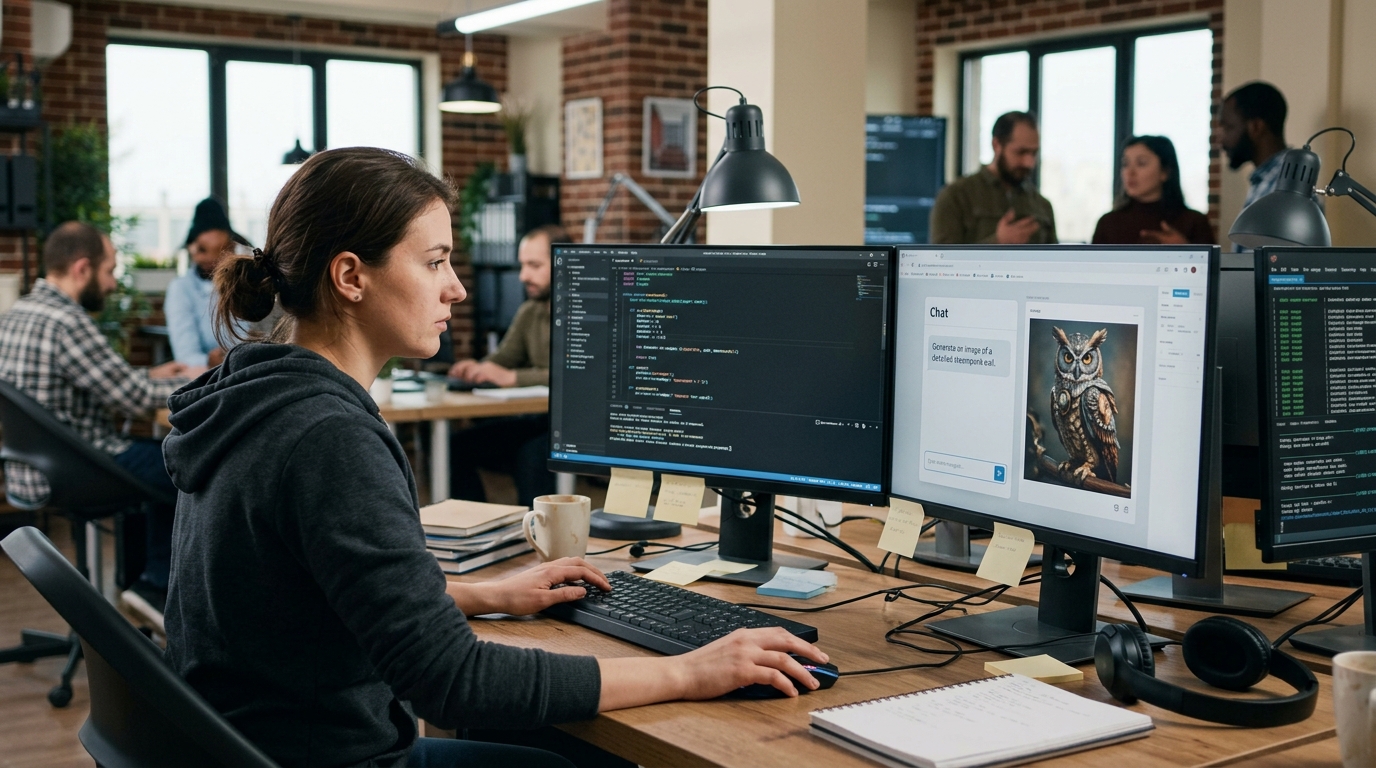
The evolution of generative artificial intelligence never ceases to amaze, but OpenAI’s latest announcement regarding ChatGPT Images 2.0 marks a historical turning point. Following the success of GPT-Image-1.5 in December 2025, the new version doesn't just promise "prettier pictures"; it offers a radical overhaul of how AI understands structure, language, and the spatial arrangement of information. This signifies the end of the era of "gibberish" text in generated images and the beginning of a new age of visual communication.
The Linguistic Revolution: From Gibberish to Absolute Precision
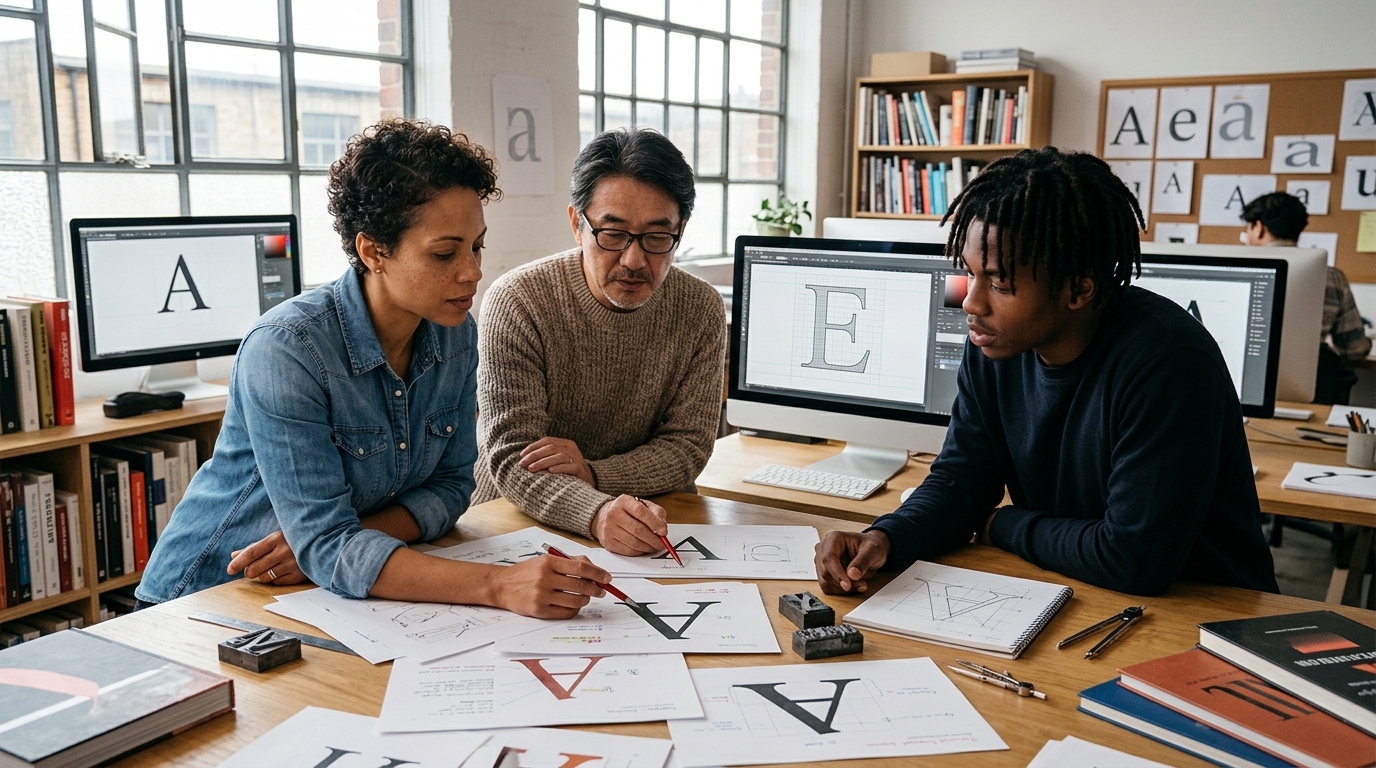
One of the primary grievances users had since the DALL-E 3 era was the inability of models to render text correctly within images. We often saw words that resembled Latin or simply random combinations of characters. ChatGPT Images 2.0 solves this definitively. The model now supports dozens of languages, including Greek, Japanese, and Arabic, with absolute spelling and syntactic accuracy.
This development is more than just an aesthetic achievement. It means a user in Athens can request a poster for a local festival with specific information in Greek, and the model will integrate it organically into the design, using fonts that match the style. This capability transforms ChatGPT from a tool for creating "concept art" into a full-fledged graphic design tool that can be used directly for professional purposes.
Infographics and Presentations: The Death of PowerPoint?
Perhaps the most impressive feature of Images 2.0 is the production of complex infographics and slides. Previously, creating an infographic required data collection followed by manual design by a graphic artist. Now, ChatGPT can take a dataset and create a complete, visually appealing infographic with correct charts, captions, and a logical flow of information.
Testing shows that the model understands information hierarchy. If asked to create a map of Europe showing the spread of renewable energy sources, it won't just draw a map; it will place the correct data in the correct countries with legible explanations. This opens new horizons for education, journalism, and business, allowing for the rapid visualization of ideas that previously required hours of labor.
Manga and Narrative Consistency: The New Language of Art
For pop culture enthusiasts, the support for manga and comics is where Images 2.0 truly shines. Creating comics with AI has always been difficult due to the need for "narrative consistency"—keeping a character looking the same from frame to frame. OpenAI’s new model introduces internal spatial memory, allowing users to create entire manga pages with multiple panels, speech bubbles, and dynamic camera angles.
The style is flawless. The model understands the rules of Japanese illustration, from fine lines to expressive eyes and shading. This enables independent creators to visualize their stories at minimal cost, though it raises serious questions about intellectual property and the future of professional illustrators in Japan and worldwide.
Ethical and Economic Dimensions: The Challenge of Tomorrow
Despite the excitement, ChatGPT Images 2.0 brings a dose of concern. The model's ability to produce professional-level graphics in seconds directly threatens jobs in the freelance market. Why would someone pay a designer for a simple logo or infographic when they can get it almost for free?
Furthermore, OpenAI seems to have strengthened its safety filters to prevent the creation of deepfakes or misleading maps, but the technology remains a double-edged sword. The ease with which propaganda material that looks "official" (via infographics and maps) can now be created requires a new form of digital literacy from citizens. OpenAI claims all images carry C2PA digital watermarks, but their practical effectiveness remains to be seen.
Ultimately, ChatGPT Images 2.0 is not just a software upgrade. It is a statement of intent. OpenAI aims to make ChatGPT the central operating system of our creativity, where thought is transformed into image, text, and action without any intermediate constraints. Our challenge is to learn to navigate this new world while maintaining human critical thinking and the authenticity of artistic expression.