In an era where technology is often accused of widening the gap between users, Apple is choosing to use the power of Apple Intelligence to build bridges. With its latest announcements for 2026, the Cupertino tech giant is radically upgrading its ecosystem, introducing features that are not just aids, but fundamental shifts in how people with disabilities interact with the digital world. The focus on on-device processing ensures that accessibility does not come at the cost of privacy.
The Apple Intelligence Revolution in Daily Life
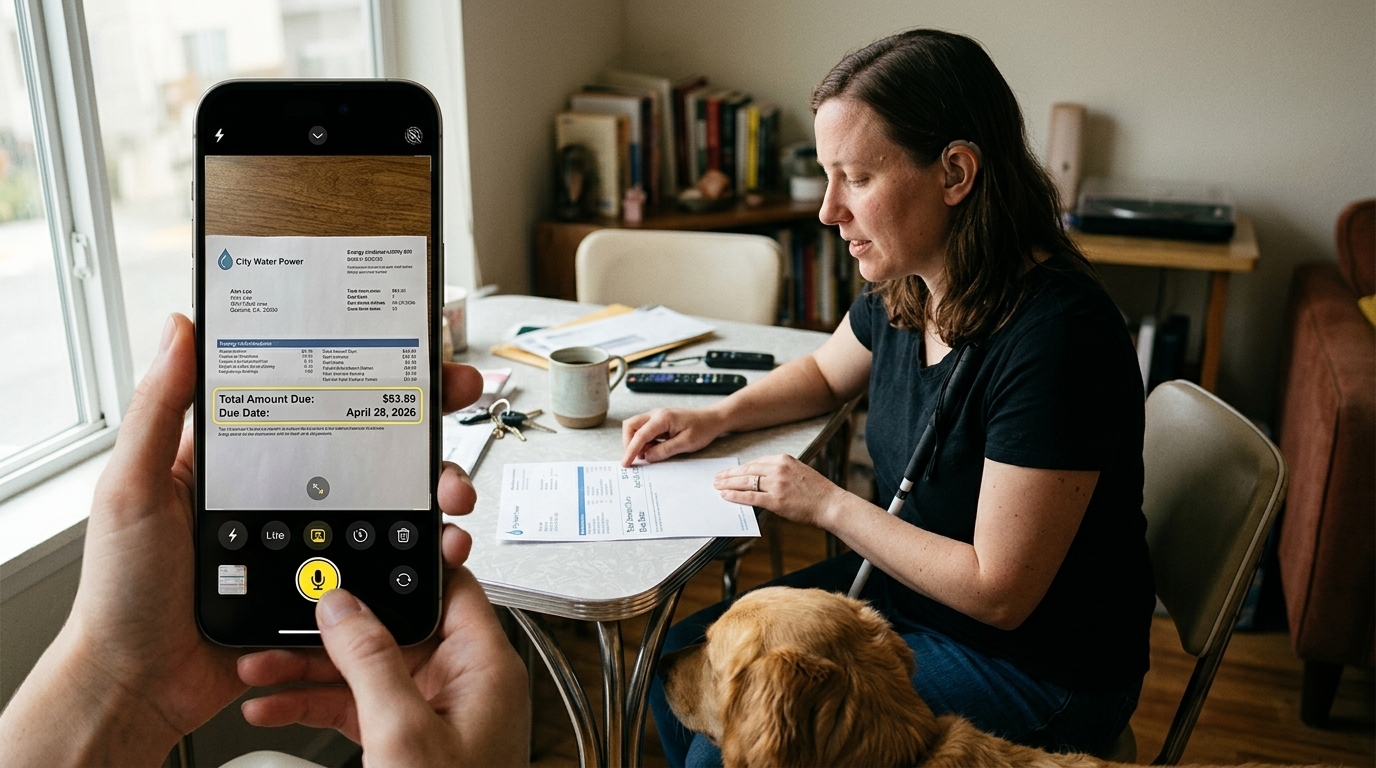
The heart of these new features beats within the M-series and A-series processors. Apple Intelligence, the company's personal intelligence system, has now matured enough to handle complex accessibility scenarios without requiring a cloud connection. This is particularly critical for features like VoiceOver and Magnifier. The new VoiceOver uses advanced scene recognition models to describe a visually impaired user's environment in incredible detail, recognizing not just objects, but the relationships between them, text on signs, and facial expressions in real-time.
Furthermore, the Vocal Shortcuts feature now allows users with atypical speech to train their iPhone or Mac to recognize specific sounds or words as commands. This machine learning achievement removes the need for the "perfect" pronunciation that digital assistants previously required, giving a voice and control to individuals with conditions such as ALS or cerebral palsy.
Vision Pro: The New Dimension of Accessibility
Vision Pro, Apple's spatial computing device, is at the center of these developments. The introduction of system-wide Live Captions in visionOS allows deaf or hard-of-hearing users to see in real-time what is being said around them, whether it's a FaceTime conversation or a person standing next to them in physical space. Captions appear as bubbles over the speaker, making it easier to follow the flow of speech.
Apple has also introduced Eye Tracking for iPad and iPhone, a technology borrowed from Vision Pro. Using the front-facing camera and AI, users can navigate the operating system with just their gaze. This is a game-changer for individuals with mobility impairments, as it no longer requires additional hardware equipment, making the technology more affordable and practical.
Sensory Substitution and Innovation
One of the most impressive additions is Music Haptics. Utilizing the iPhone's Taptic Engine, Apple allows users who are deaf or hard of hearing to "feel" music through vibrations, rhythms, and complex haptic feedback corresponding to sound frequencies. This is not a simple vibration but an artistic translation of music into touch, supported by millions of tracks on Apple Music.
"Accessibility is not an add-on feature for us; it's how we design our products from day one," said an Apple executive during the presentation.
Simultaneously, Vehicle Motion Cues aims to combat motion sickness when using an iPhone in moving vehicles. Using the device's motion sensors, the system displays small dots on the edges of the screen that move opposite to the vehicle's motion, helping the brain synchronize visual input with the sense of movement.
The Socio-Political and Economic Dimension
Apple's move to integrate these features directly into its operating systems (iOS 19, macOS 16, visionOS 3) sends a strong message to the market. Accessibility is ceasing to be a "special category" and is becoming part of the mainstream user experience. However, the reliance on Apple Intelligence means these features require modern hardware, raising questions about the cost of access to these vital technologies.
In conclusion, Apple demonstrates that artificial intelligence is not just about generating text or images, but about human empowerment. The ability of a device to "see" for someone who cannot, or to "hear" for someone who struggles, is the true promise of technology in the 21st century. The challenge now shifts to third-party developers, who are called to adopt these APIs to ensure the entire digital ecosystem remains open to everyone.