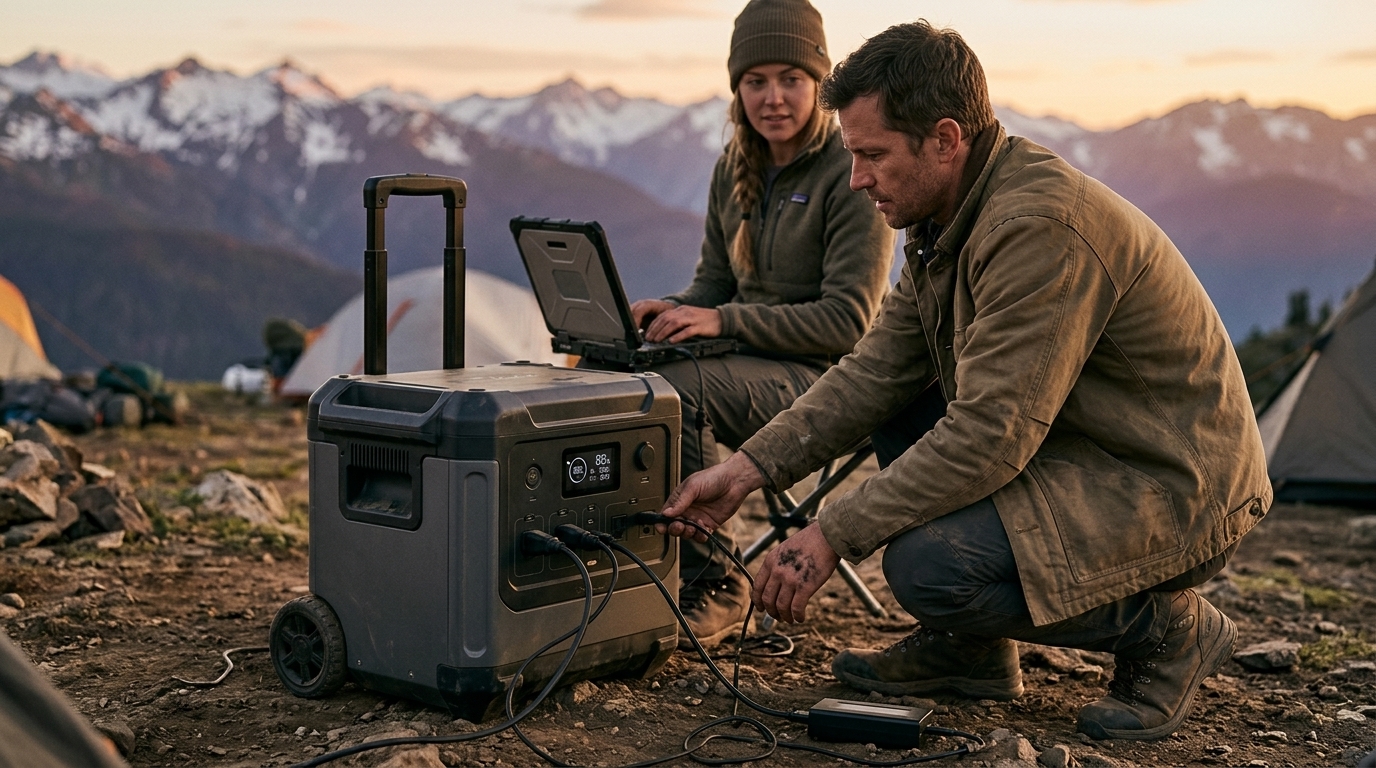
At the dawn of 2026, the concept of energy independence has shifted from massive solar farms and diesel generators to the palm of our hand—or at least to the handle of a Portable Power Station (PPS). Climate instability and the non-negotiable need for digital connectivity have transformed these devices from niche tools for camping enthusiasts into essential equipment for every modern household. This year’s lineup of PPS doesn't just offer more Watts; it integrates technologies that seemed exotic just a few years ago, such as solid-state batteries and full integration into smart home ecosystems.
The Dominance of LiFePO4 and the Rise of Solid-State
2026 marks the complete transition to Lithium Iron Phosphate (LiFePO4) chemistry, even in entry-level models. The durability of these batteries, which now exceed 4,000 charging cycles before losing 20% of their capacity, means a power station is a decade-long investment. However, the real news for this year is the emergence of the first high-end models featuring solid-state batteries. These devices offer up to 40% higher energy density, allowing a 2kWh station to weigh under 15kg, fundamentally changing the portability calculus.
Manufacturers like EcoFlow and Jackery have optimized their Battery Management Systems (BMS), now utilizing artificial intelligence to predict wear and tear and optimize performance in extreme temperatures. This is crucial, as users now demand reliability whether they are in a 45-degree heatwave in the Mediterranean or in freezing conditions at a mountain refuge.
Categorization: From Ultralight to Home Backup
The 2026 market has split into three distinct categories. The first involves "Pocket" stations (250Wh - 500Wh), ideal for digital nomads who need to charge laptops and drones. Here, Anker and Bluetti dominate with models that fully charge in less than 45 minutes via USB-C PD 3.1. The second category is "Adventure" stations (1kWh - 2kWh), which are the gold standard for overlanding and camping, capable of running portable fridges and coffee makers for an entire weekend.
The third and fastest-growing category is "Resilience" stations (3kWh+), which function as expandable home systems. With the ability to connect extra batteries, these beasts can power air conditioners and heat pumps during prolonged outages. The integration of NEMA 14-50 ports and the ability to connect directly to the home's electrical panel via a transfer switch has made old, noisy gas generators obsolete.
Solar Charging: The Holy Grail of Autonomy
You cannot discuss portable power in 2026 without mentioning solar panels. TOPCon cell technology and flexible CIGS solutions have increased the efficiency of portable panels to 25%. This means a user can now harvest 400W of energy from a surface that folds down to the size of a laptop bag. Solar input speeds have also surged, with many stations now accepting up to 1600W of solar power, allowing large batteries to be recharged in just two hours of peak sunlight.
"The portable power station is no longer a luxury gadget; it is the decentralized infrastructure of the 21st-century citizen."
Top Picks for 2026
- EcoFlow Delta 3 Pro: The king of versatility with expansion capabilities up to 12kWh.
- Jackery Explorer 2000 Plus: The most reliable solution for rugged field use with whisper-quiet operation.
- Anker Solix C1000: The best price-to-performance ratio for the 1kWh category.
- Bluetti AC180T: Innovative system with hot-swappable batteries for maximum flexibility.
In conclusion, choosing the right power station in 2026 depends on the balance between weight and needs. While technology continues to race forward, the core promise remains the same: the freedom to take civilization with you, wherever you decide to set up your "base."