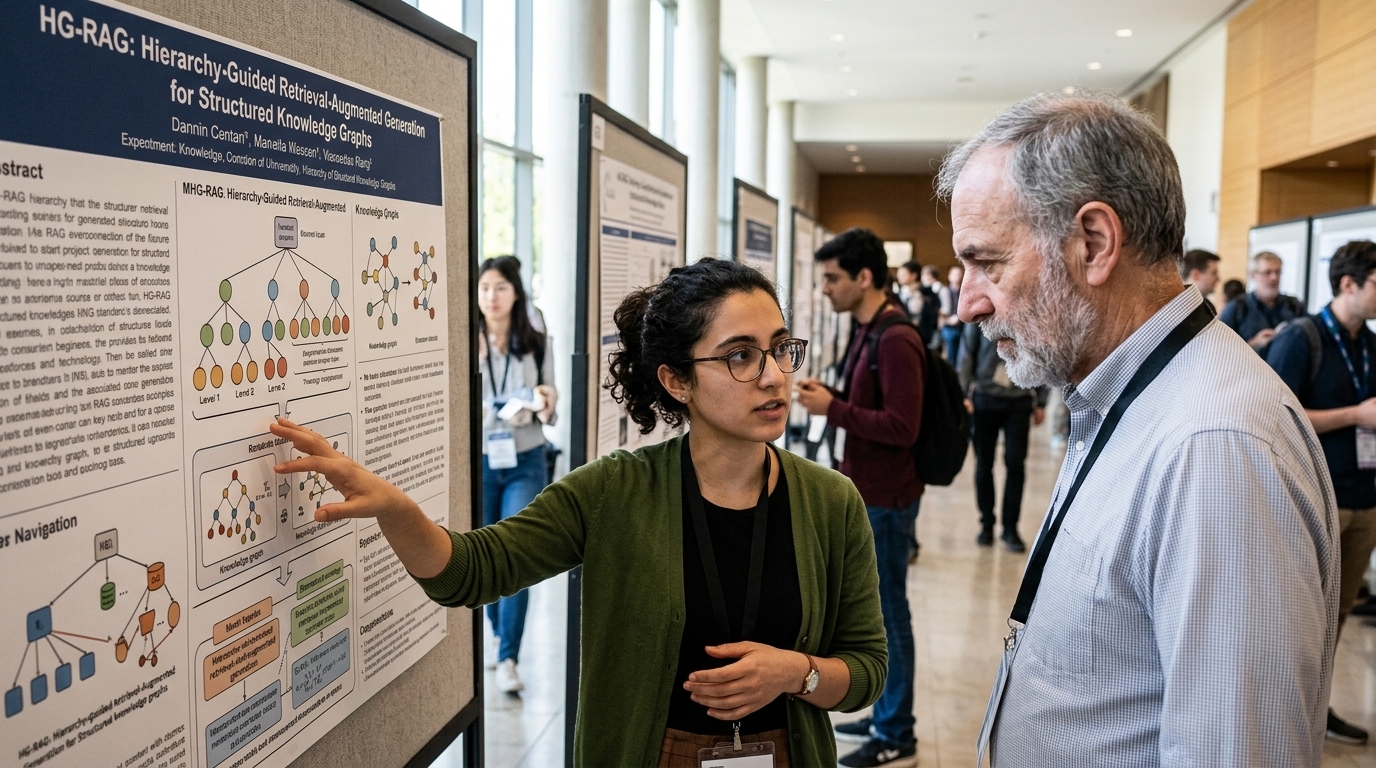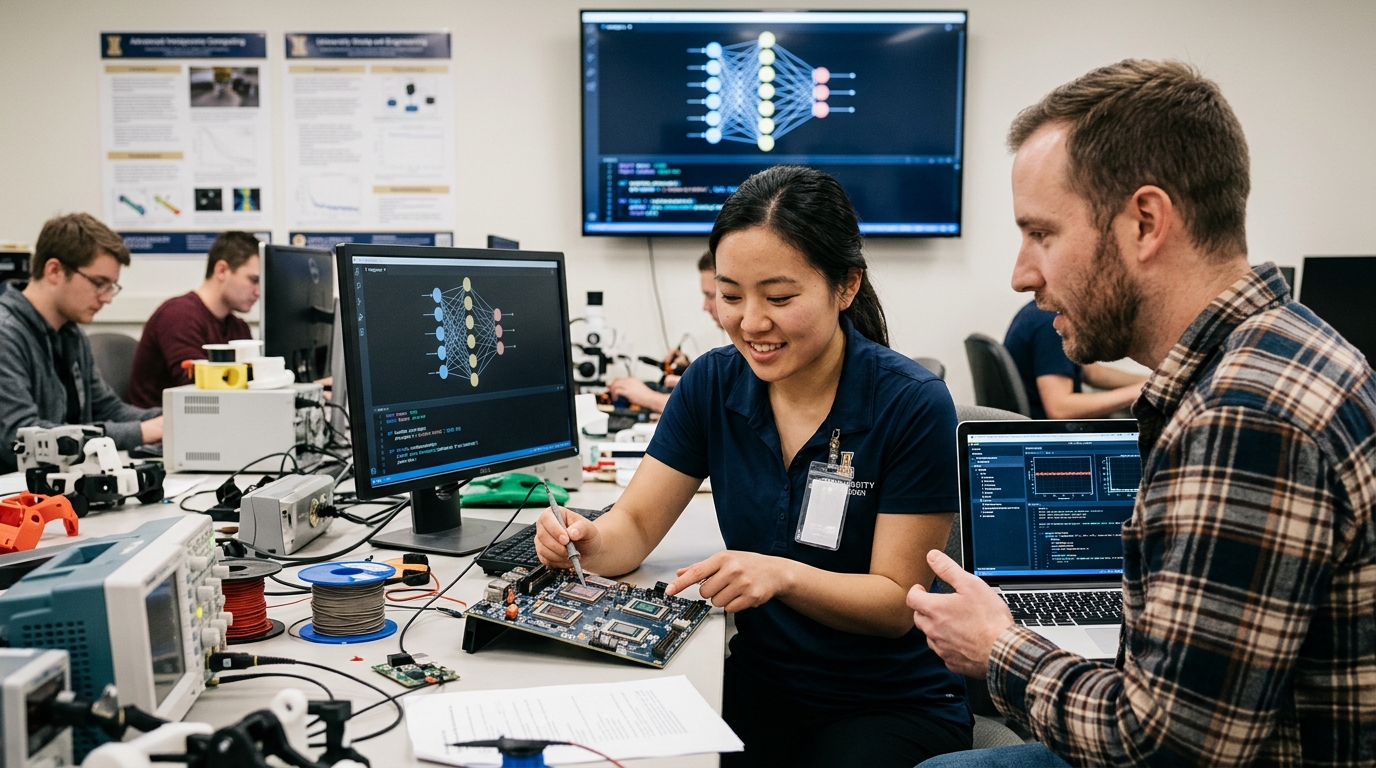
In an era where Artificial Intelligence (AI) has transitioned from a niche academic pursuit to the central nervous system of the global economy, the University of Idaho (U of I) has made a strategic move of profound significance. The announcement of new degree programs—spanning undergraduate and graduate levels—dedicated exclusively to Artificial Intelligence marks a watershed moment for public higher education in the United States. This is not merely an addition to the course catalog; it is a holistic restructuring of the academic ethos in response to a technology that promises to redefine every facet of human existence.
Legacy Meets the Future
The University of Idaho has a storied history of research excellence as a land-grant institution, a designation that carries the responsibility of advancing practical knowledge for the public good. By introducing the state’s first Bachelor of Science in Artificial Intelligence, the university aims to bridge the chasm between ivory-tower theory and the relentless demands of the modern tech industry. The curriculum is designed to go far beyond syntax and coding, diving deep into machine learning, robotics, natural language processing, and, perhaps most importantly, the ethical governance of autonomous systems.
“AI is the new tool that will define 21st-century productivity. Our mission is to ensure our students are not just consumers of these systems, but their architects,” university leadership noted during the launch.
Beyond Code: A Multidisciplinary Approach
What sets the U of I approach apart is its commitment to integrating AI with the region’s traditional strengths: agriculture, forestry, and natural resource management. Students will be tasked with applying algorithms to optimize crop yields, predict the path of wildfires, and manage precious water resources in the Pacific Northwest. This focus on "Applied AI" distinguishes the program from the more abstract offerings of Silicon Valley institutions, grounding high-tech education in the tangible challenges of rural and semi-urban landscapes.
- Development of autonomous agricultural machinery.
- Utilizing neural networks for real-time environmental monitoring.
- AI ethics and the societal implications of large-scale automation.
- Strategic partnerships with industry leaders for workforce readiness.
Addressing the Global Talent Chasm
The global labor market is currently facing a desperate shortage of AI-literate professionals. Recent data suggests that job openings requiring AI skills are growing at a pace that traditional educational frameworks are struggling to match. By positioning itself at the vanguard of this shift, the University of Idaho provides a vital pathway for students seeking high-value expertise in a field that is essentially future-proof. However, the initiative faces the perennial challenge of academia: how to keep a four-year curriculum relevant when the underlying technology evolves every few months.
Conclusion: A Blueprint for Public Universities
The U of I initiative is an experiment that will be closely watched by educational institutions worldwide. Its success will be measured not just by enrollment numbers, but by the ability of its graduates to navigate a volatile future where human-machine collaboration is the standard. Artificial Intelligence is no longer an elective in the school of life; it is a foundational requirement. Idaho's bold step suggests that the heartland is ready to lead the digital frontier.