For decades, the tissue biopsy has reigned supreme as the "gold standard" in oncology. The process of extracting tissue, preparing slides, and having a pathologist examine them under a microscope has been the final word on malignancy. However, a landmark study from UMass Chan Medical School is challenging this status quo, introducing a real-time artificial intelligence platform that not only works instantaneously but also achieves higher accuracy rates than traditional methods.
The Study and the Rise of 'Optical Biopsy'
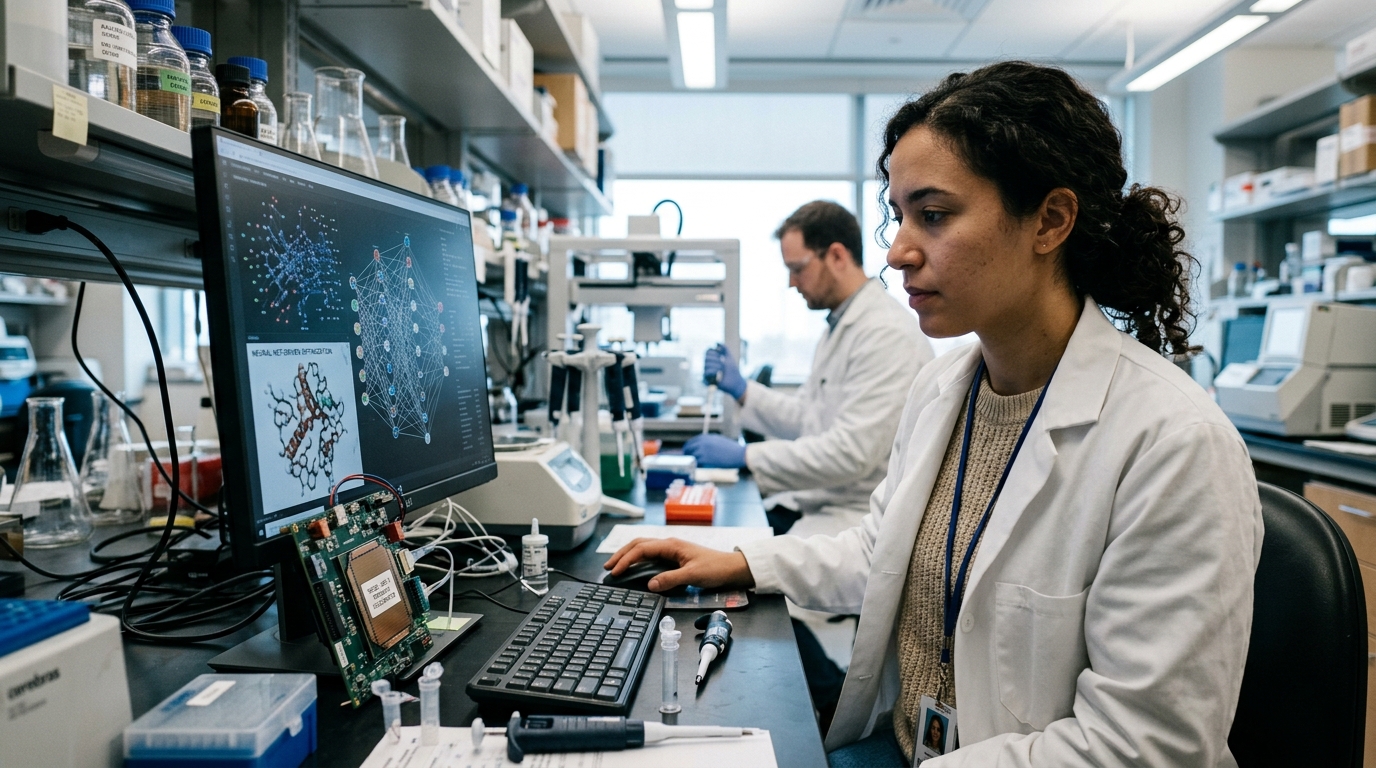
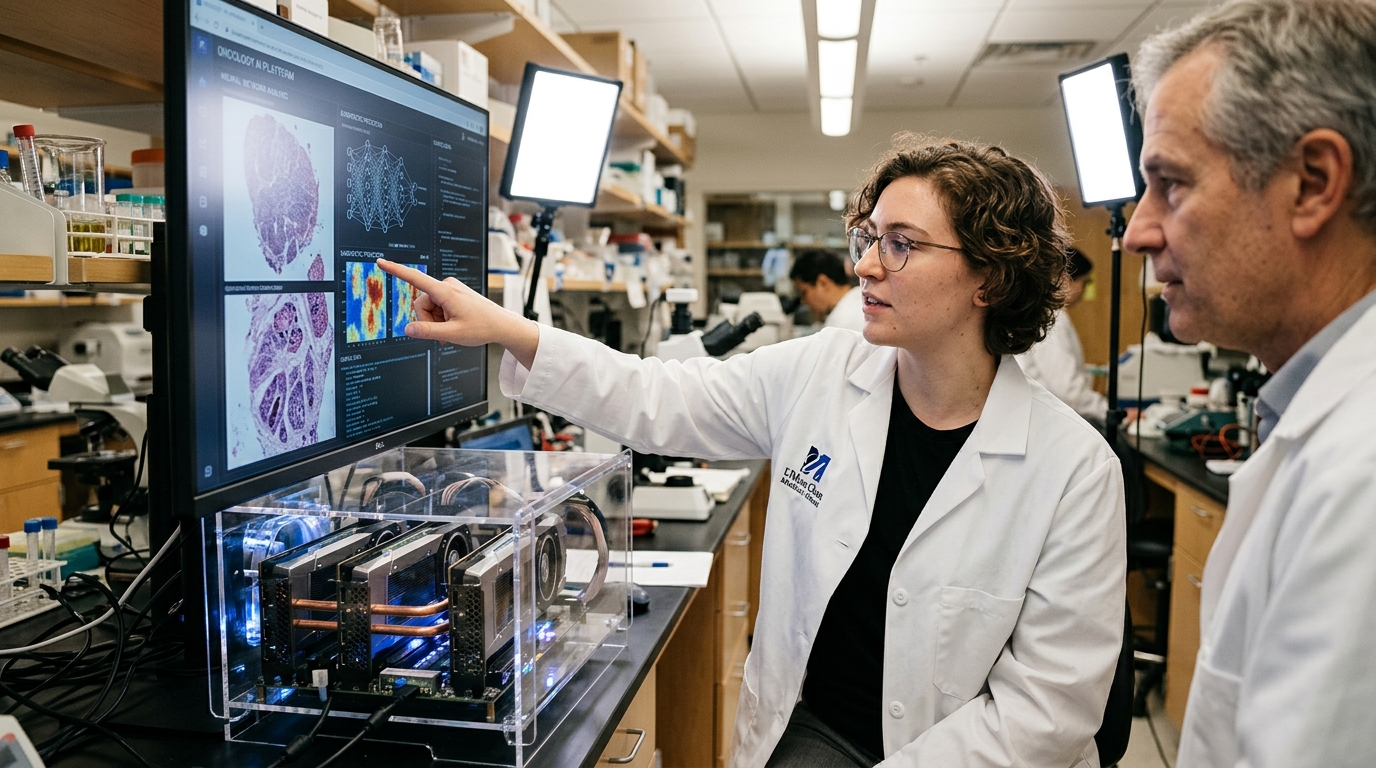
The research team at UMass Chan has developed a system that leverages advanced deep learning algorithms to analyze optical data during patient examinations. Instead of waiting days or weeks for laboratory results, clinicians can now receive a highly accurate diagnosis while the patient is still on the table. This shift from physical sampling to digital analysis marks a pivotal moment in medical history.
The technology is centered around what researchers call an "optical biopsy." By utilizing high-resolution spectroscopy combined with AI, the system identifies molecular and cellular patterns that are invisible to the human eye, even with microscopic aid. The study demonstrated that the AI platform successfully identified cancerous cells in several instances where traditional biopsies had returned false negatives due to sampling errors or human oversight in tissue interpretation.
"We are not just talking about a faster method; we are looking at a fundamental upgrade in our ability to detect cancer at its earliest stages, when the chances of a cure are at their peak," noted one of the lead researchers.
Clinical Implications: Reducing Risk and Anxiety
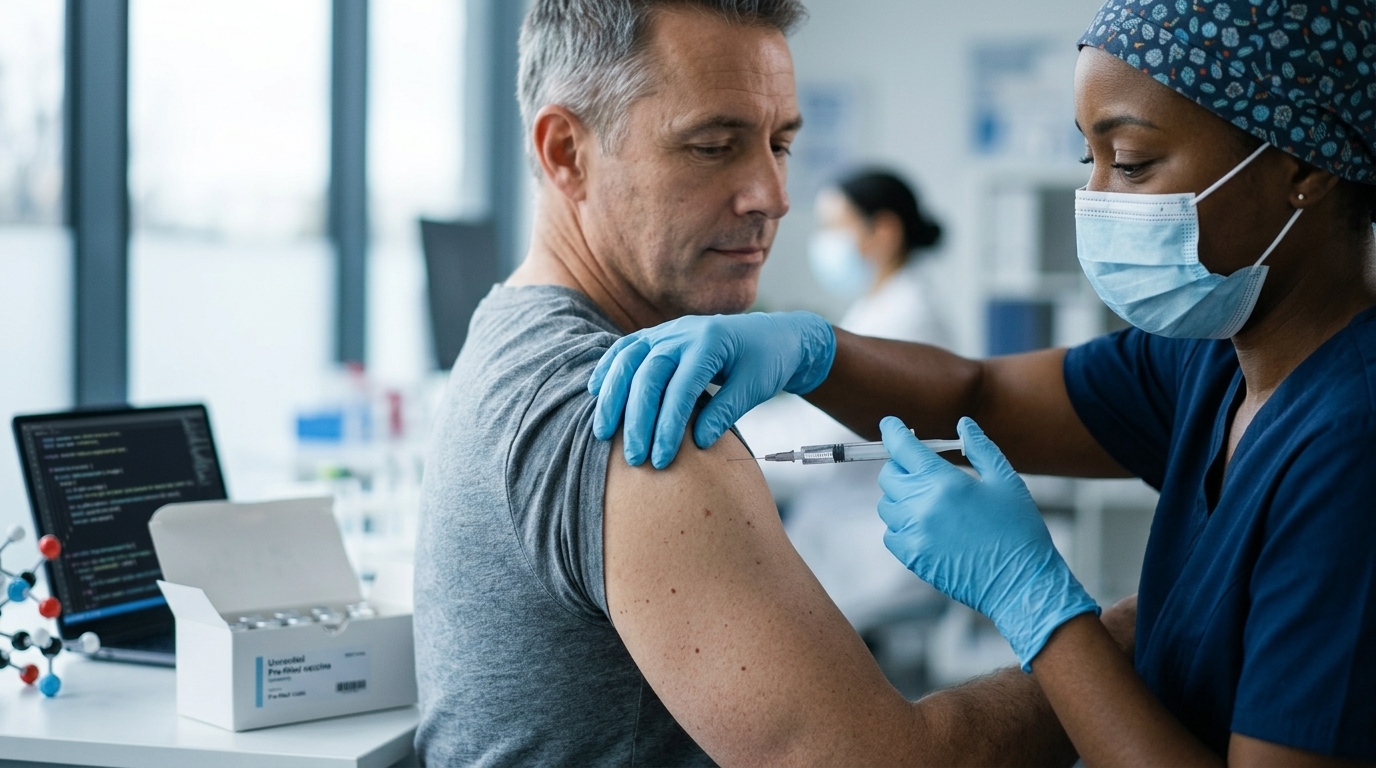
The implications for patient care are profound. Traditional biopsies are often invasive, painful, and carry inherent risks such as infection or internal bleeding. Furthermore, the "waiting period" for pathology results is a source of significant psychological distress for patients. Real-time diagnosis effectively eliminates this period of uncertainty.
- Minimizing Invasive Procedures: Many unnecessary biopsies of benign lesions can be avoided entirely.
- Precision Targeting: AI can guide surgeons with millimeter precision during tumor resection.
- Immediate Treatment Pathways: Real-time analysis allows for the immediate initiation of personalized treatment plans.
However, the integration of such systems into clinical practice raises questions about medical training. AI is not intended to replace the pathologist but to serve as a powerful co-pilot that enhances diagnostic capabilities. The synergy between human expertise and machine precision appears to be the future of diagnostic medicine.
Challenges, Ethics, and the Path Ahead
Despite the breakthrough, significant hurdles remain. The cost of implementing these high-tech platforms in hospitals is substantial, potentially creating a divide in the quality of care available to different socioeconomic groups. Furthermore, the issue of liability remains a legal gray area: if an AI provides a misdiagnosis, who is held responsible—the software developer or the attending physician?
The UMass Chan study is likely the first of many to validate the superiority of digital diagnostics. As these algorithms are fed more diverse data sets from global populations, their predictive power will only increase. The transition from "analog" to "digital" oncology is now irreversible, promising a future where cancer is diagnosed not by removing pieces of the body, but through the sophisticated analysis of light and data.