At the intersection of tradition and technological advancement, Thessaloniki is no longer merely the historical crossroads of the Balkans, but an emerging pole in the global digital health landscape. Recent developments in cardiology, centered on the application of Artificial Intelligence (AI), signal a radical shift in how we approach heart health. From early prognosis to personalized treatment, "smart" technology promises to save lives while simultaneously reducing the burden on healthcare systems.
The Revolution of Diagnostic Precision
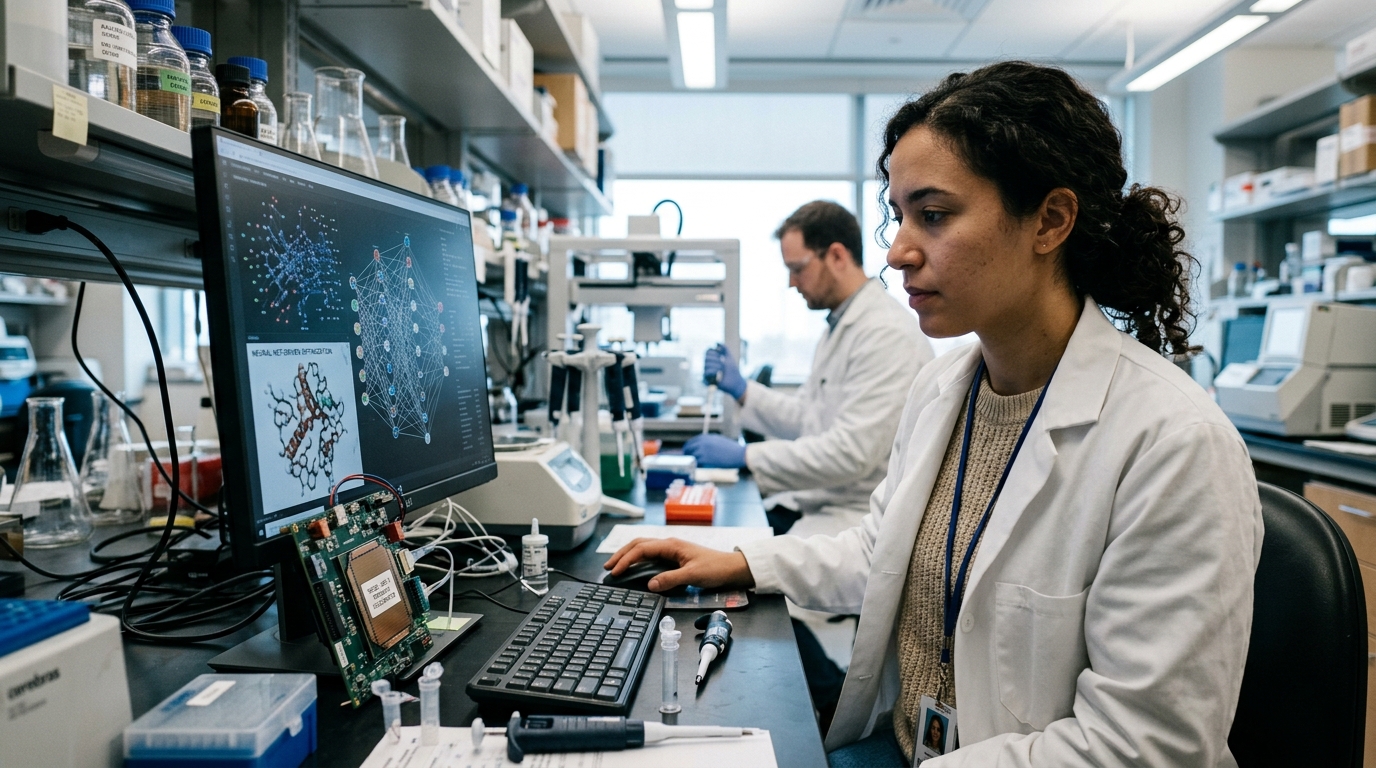
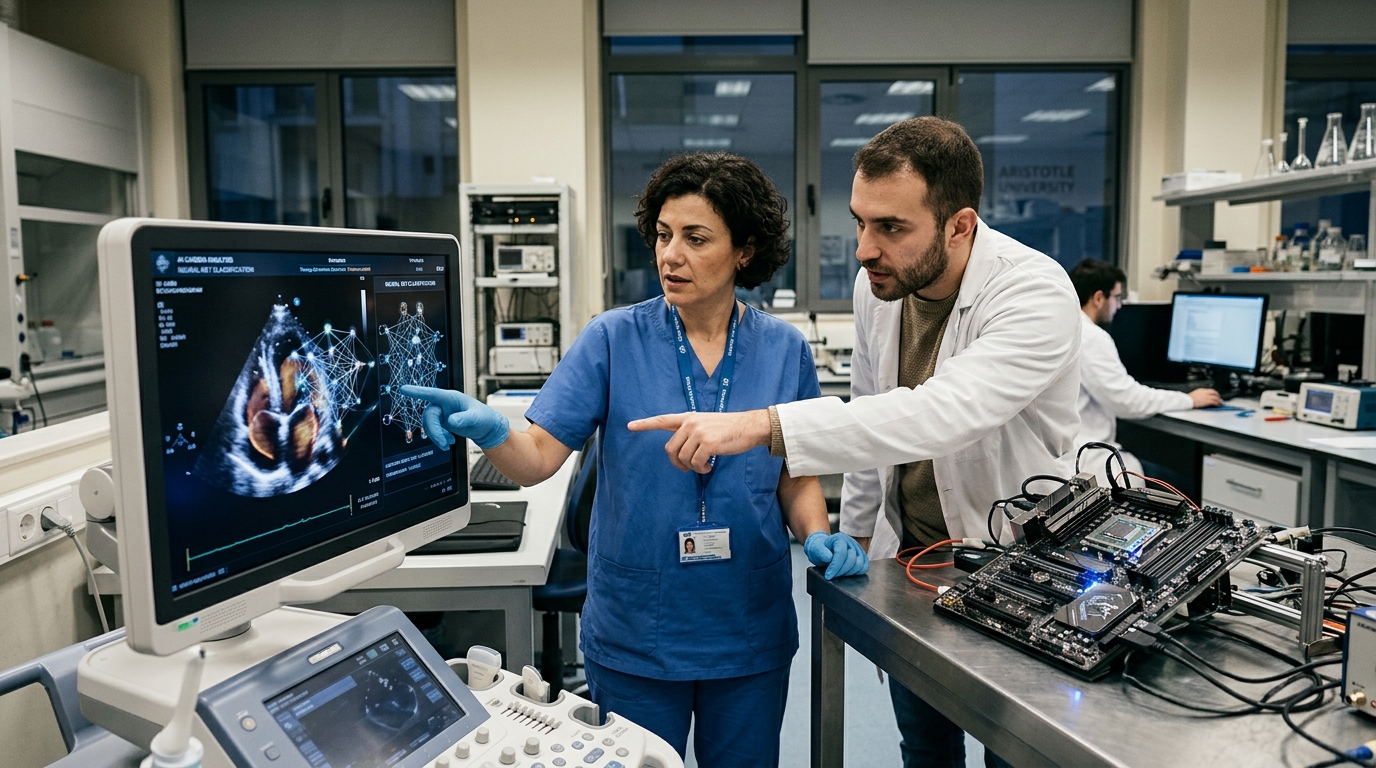
Cardiology has always been a data-driven field. However, the volume of information generated today by electrocardiograms (ECGs), ultrasounds, and MRIs exceeds the real-time processing capabilities of the human brain. This is where Artificial Intelligence steps in. Deep learning algorithms, developed and tested in Thessaloniki's research centers, have the ability to identify microscopic anomalies that often escape the human eye.
As experts from the Aristotle University of Thessaloniki (AUTH) point out, AI does not replace the cardiologist; rather, it provides them with a "super-weapon." For instance, the analysis of a simple ECG by an AI system can now predict the risk of atrial fibrillation or heart failure years before the first symptoms manifest. This transition from reactive to preventive medicine is the essence of the digital revolution in Northern Greece.
The Thessaloniki Ecosystem: A Magnet for Innovation
The selection of Thessaloniki as a hub for such developments is no coincidence. The city has managed to create a unique ecosystem where academic research meets entrepreneurship. The presence of tech giants and the establishment of digital innovation hubs have created the right conditions for retaining domestic talent (brain gain).
- Collaborations between university clinics and startups.
- Utilization of Big Data from the national health system to train algorithms.
- International conferences bringing the global medical technology elite to the city.
This momentum is bolstered by the city's strategic location, acting as a bridge for the scientific community of Southeastern Europe. Clinical trials conducted in the city's hospitals, such as AHEPA and Papageorgiou, now incorporate AI tools for patient triage, dramatically improving waiting times and the effectiveness of interventions.
Challenges and Ethical Dilemmas
Despite the excitement, integrating AI into cardiology is not without challenges. The "black box" problem—the inability of doctors to fully understand how an algorithm reached a specific diagnosis—remains at the center of the debate. Furthermore, protecting patient data is a priority, especially in an era where cyberattacks on health infrastructure are increasing.
"Technology is the means, but the human remains the end. We must ensure that AI acts as a bridge and not a wall in the doctor-patient relationship," notes one of the pioneers of digital health in the city.
The need for a robust regulatory framework is imperative. Thessaloniki, participating in European programs, contributes to the formulation of these rules, ensuring that innovation keeps pace with bioethics. Public trust is the key to the success of these systems.
The Future: From Hospital to Home
The next step in cardiological care is remote monitoring. Through wearables and sensors supported by AI, patients in Thessaloniki and the broader region can now be monitored 24/7. This is particularly critical for the elderly or those living in remote areas.
In conclusion, Thessaloniki demonstrates that the digital transition is not an abstract concept but a living reality that improves daily life. Cardiology is just the beginning. As algorithms become smarter and infrastructure more resilient, the city establishes itself as a beacon of hope and progress for 21st-century medicine.