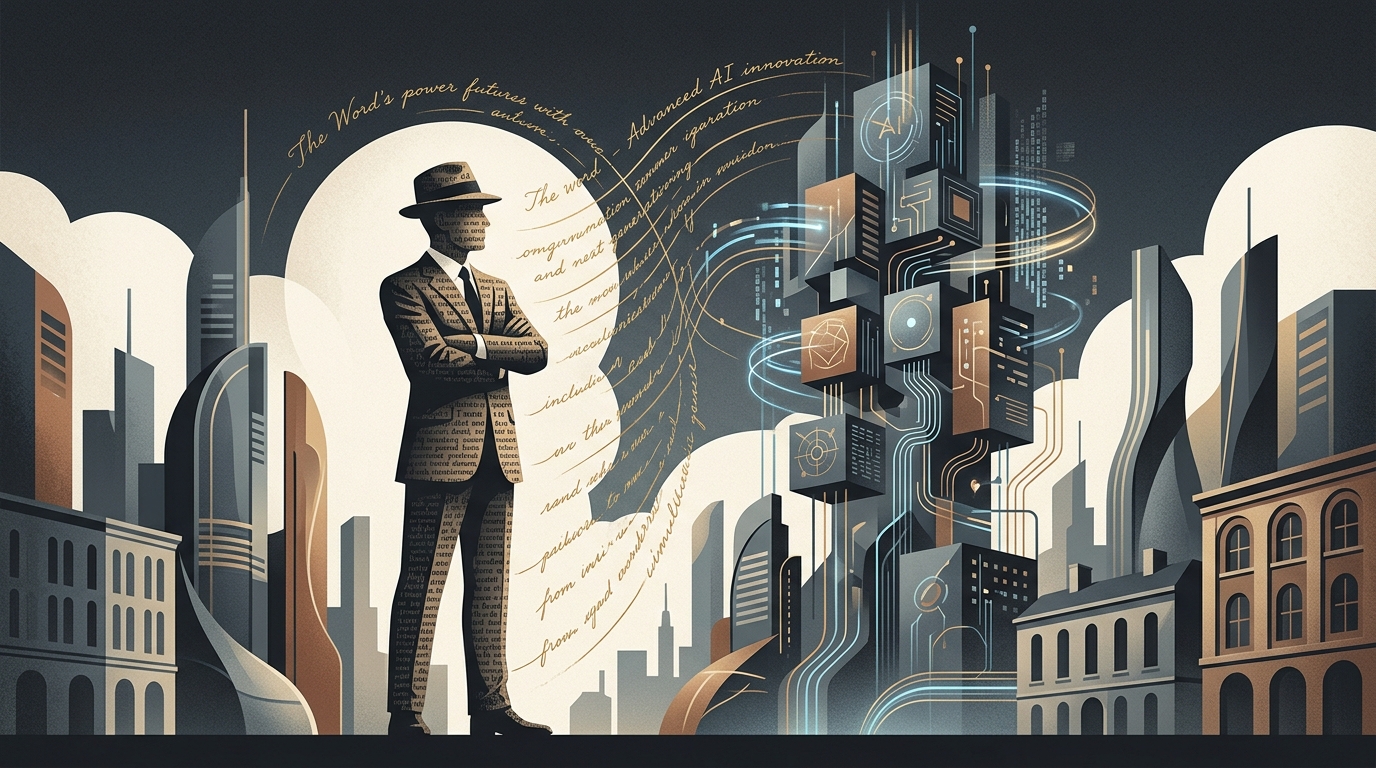
For decades, the narrative surrounding automation has been one of existential dread. From the 19th-century Luddites to today’s data analysts, the fear has remained constant: the machine will replace the human, rendering our labor obsolete. However, a compelling new analysis from the University of Rochester challenges this pessimistic status quo, proposing a paradoxical but hopeful evolution. As Artificial Intelligence (AI) takes over the burden of repetitive and analytical tasks, work is not becoming less human—it is becoming more so.
The Shift from 'What' to 'How'
The core thesis of the research focuses on the redefinition of professional value. In the past, the ability to process vast amounts of information or perform complex calculations was the pinnacle of professional success. Today, these tasks are the domain of AI. What remains—and what is now gaining immense value—are the skills that machines struggle to replicate: empathy, moral judgment, strategic creativity, and the ability to build meaningful relationships.
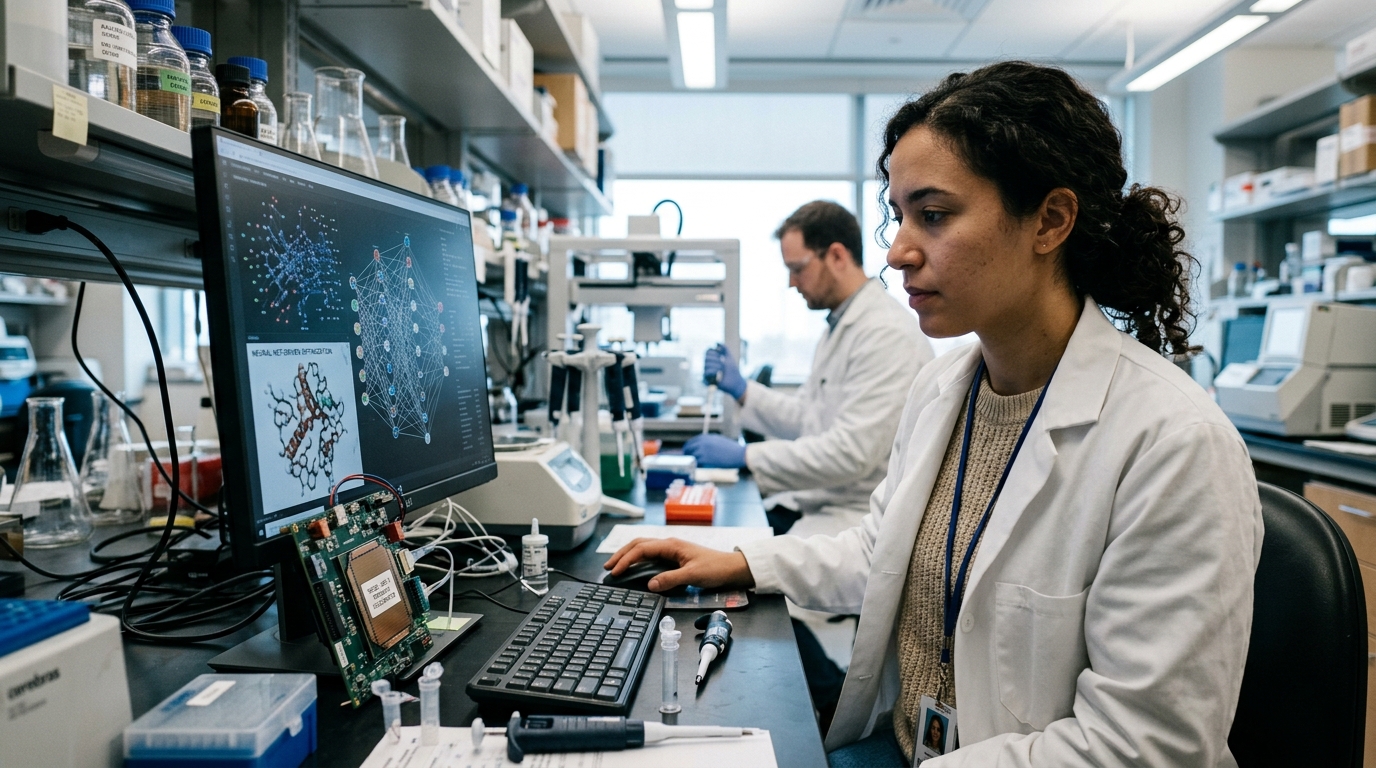
According to Rochester researchers, we are witnessing a "Renaissance of Soft Skills." When a physician no longer needs to spend 70% of their time filling out charts and analyzing lab results (tasks AI performs faster), they can focus on the patient. Healing becomes once again an act of human connection. The same applies to educators, lawyers, and business leaders. The focus shifts from the output to the interaction.
The Rochester Perspective: Interdisciplinary Synergy
The University of Rochester, through its Institute for Data Science, argues that education must adapt to this new reality. Learning a specific code or a technical process is no longer sufficient. The workers of the future must be "new-age polymaths." The research emphasizes that AI functions as an "exoskeleton for the mind," allowing humans to reach levels of creativity that were previously inaccessible due to administrative overhead.
"Artificial Intelligence is not removing humanity from work; it is removing the robotic nature from human work," the analysts note.
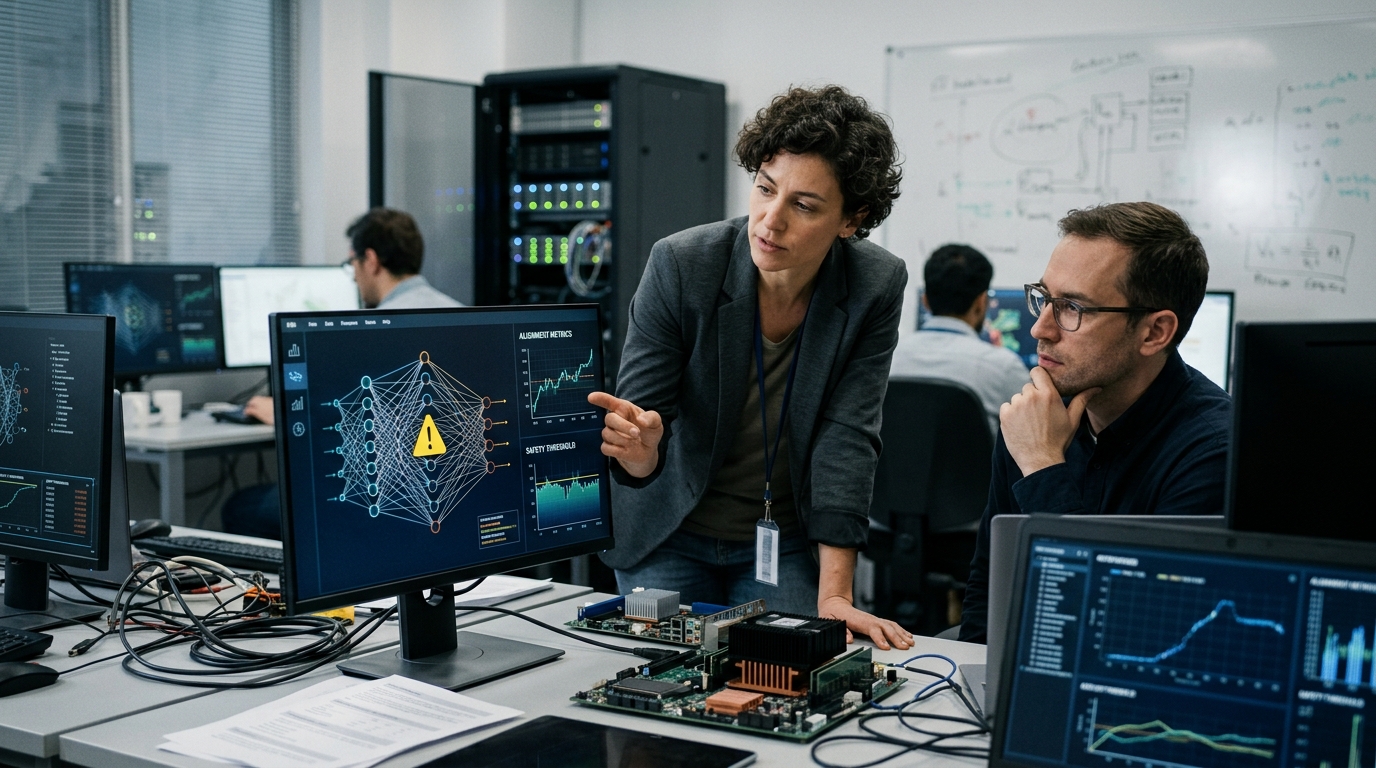
This approach requires a radical restructuring of the workplace. Companies that thrive will not be those that simply replace employees with algorithms, but those that use AI to liberate their workforce from routine, investing instead in psychological resilience and collaborative intelligence. The goal is to augment the human, not substitute them.
Ethics and the Future of Employment
Of course, this transition is not without its hurdles. The research highlights the risk of a "humanity gap," where only high-level professionals enjoy the privilege of creative work, while others are relegated to merely monitoring machines. To avoid this, Rochester suggests a new social contract for labor, where lifelong learning focuses not just on technology, but on the cultivation of the human character.
As we move deeper into the 2020s, the "Human Premium" will become the primary differentiator in the global economy. If AI can provide the answer, the human's job is to ask the right question. The conclusion is clear: AI is forcing us to become more human, simply because that is the only thing that cannot be reduced to code. The future of work is not a battle against the machine, but a journey back to ourselves.