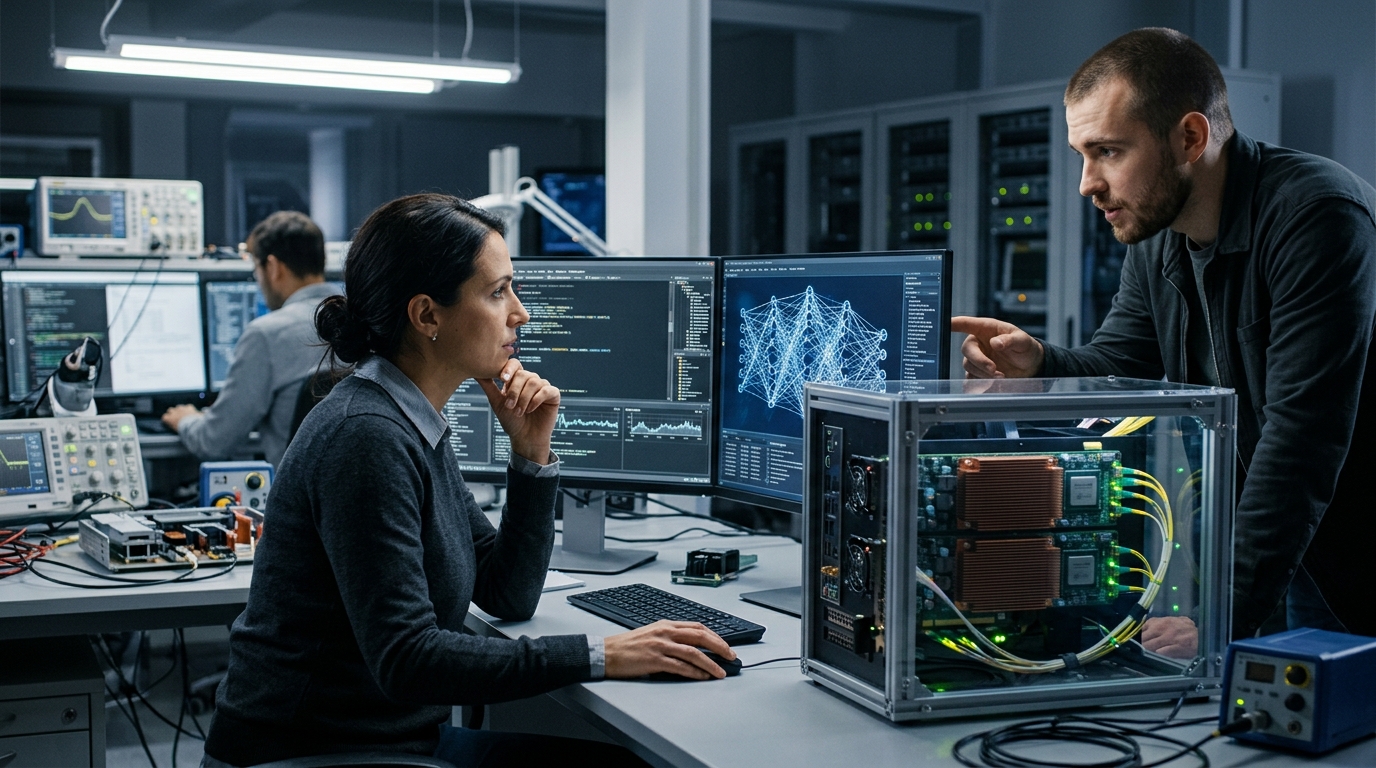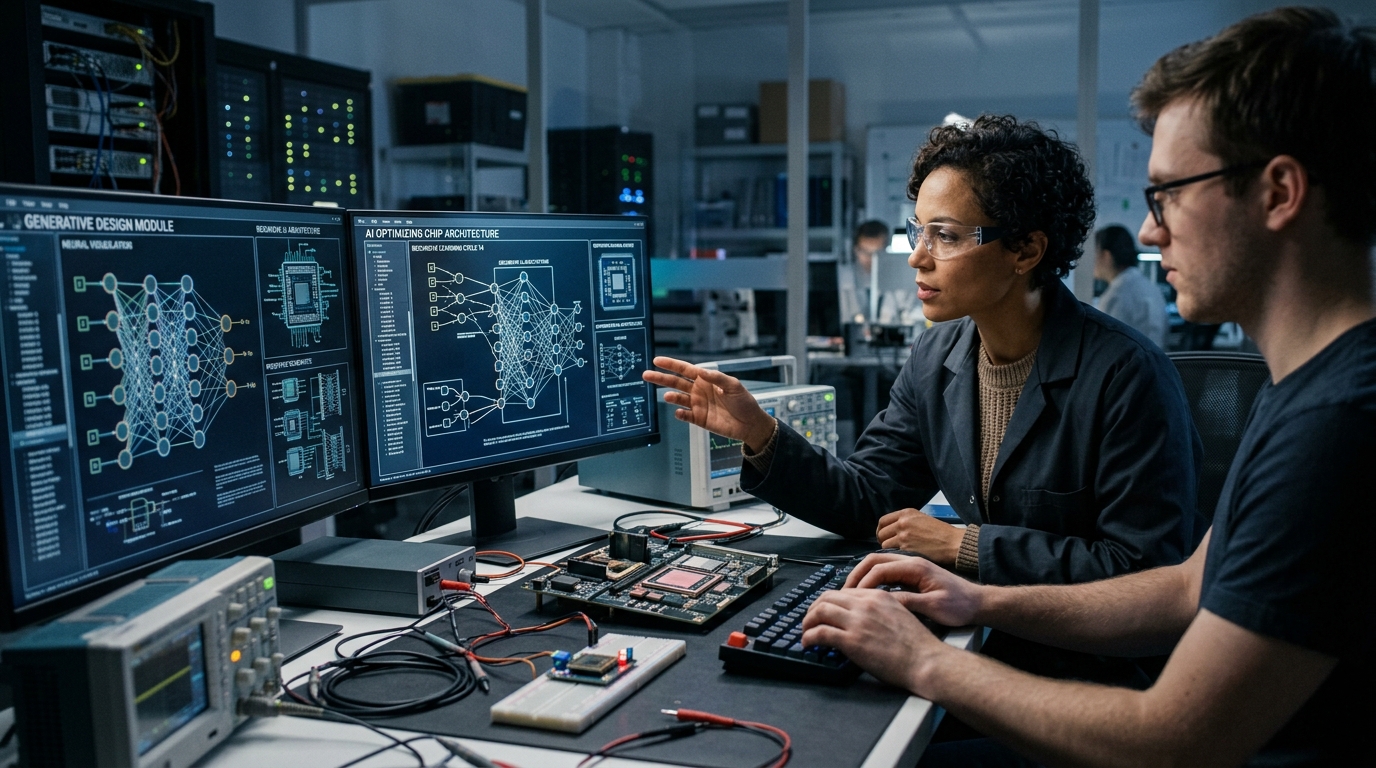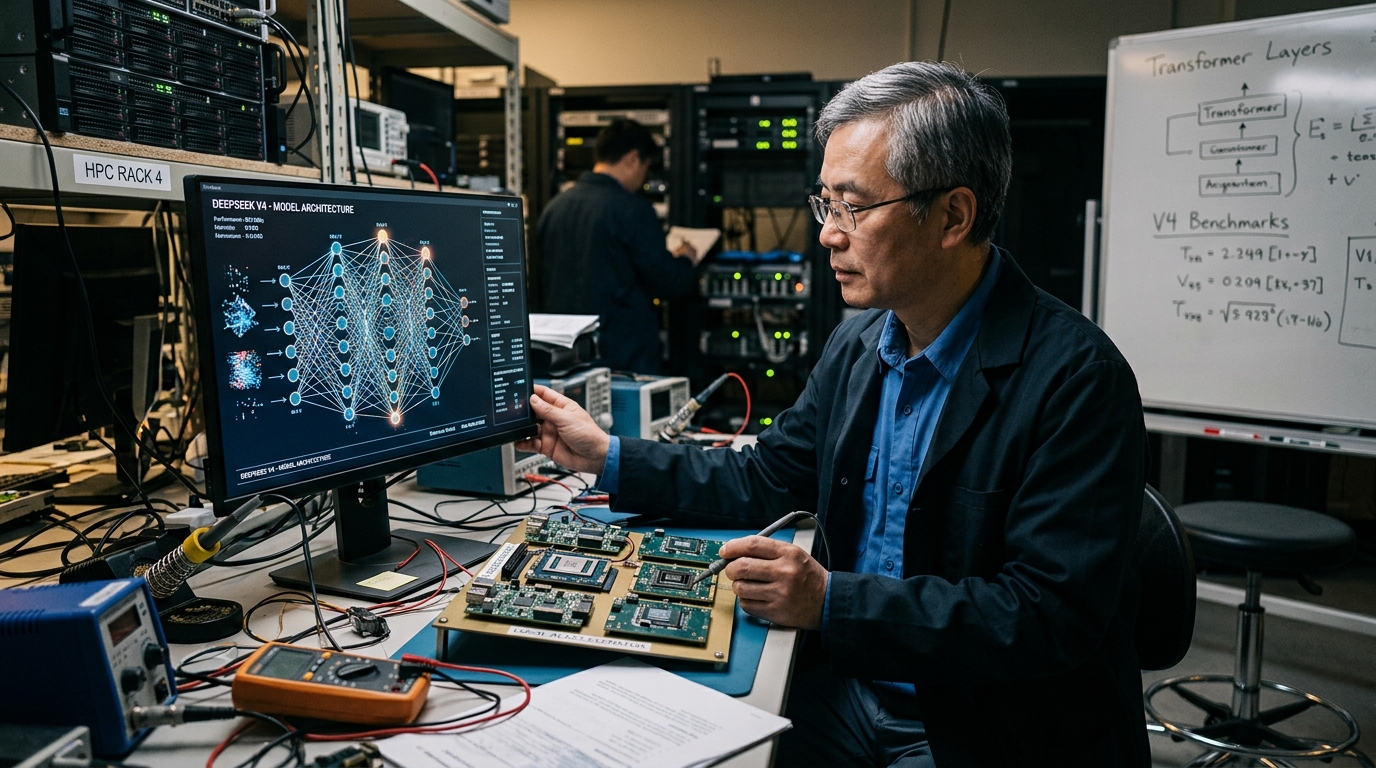
The global artificial intelligence landscape is undergoing a seismic shift. For years, the conversation has been dominated by the closed-source models of OpenAI and Google. However, the arrival of DeepSeek V4 is fundamentally rewriting the narrative. DeepSeek, a Chinese AI research lab that has already earned the respect of the developer community with its previous iterations, has unveiled a new architecture that promises GPT-4o class performance with a crucial differentiator: accessibility and the ability to run locally on consumer-grade hardware.
The Mixture-of-Experts (MoE) Architecture and Efficiency
At the core of DeepSeek V4 lies a sophisticated evolution of the Mixture-of-Experts (MoE) architecture. Unlike traditional "dense" models where every parameter is activated for every query, MoE utilizes only a subset of its parameters for any given task. This allows the model to boast hundreds of billions of total parameters while maintaining the inference requirements of a much smaller model.
DeepSeek has further optimized this process through Multi-head Latent Attention (MLA), a technique that drastically reduces VRAM requirements. This is the "key" that allows DeepSeek V4 to run on consumer GPUs like the NVIDIA RTX 4090, especially when utilizing quantization techniques. The ability of a model to retain its intelligence while being "shrunk" to fit on home systems is the holy grail of modern AI research.
Performance That Challenges the Status Quo
Across a range of benchmarks covering programming (HumanEval), mathematics (MATH), and general knowledge (MMLU), DeepSeek V4 doesn't just stand alongside market leaders; it frequently outperforms them. Particularly in the realm of coding, DeepSeek has established a tradition of excellence. V4 continues this trajectory, offering solutions to complex software architecture problems with a level of precision that previously required expensive cloud subscriptions.
- Programming: Top-tier performance in Python, C++, and Rust, with a context window reaching 128,000 tokens.
- Mathematical Reasoning: Impressive results in logic-based problems that typically challenge standard large language models.
- Multilingualism: Despite its Chinese origins, support for English and other European languages is exceptional, making it a truly global tool.
"The democratization of high-level intelligence is no longer a promise of the future; it is a reality happening now, thanks to models like DeepSeek V4," industry analysts note.
Local Execution: Privacy and Sovereignty
The ability to run a model of this caliber "at home" has immense implications. Firstly, data privacy becomes absolute. Businesses and researchers no longer need to send sensitive information to third-party servers. Secondly, the dependence on internet connectivity and the shifting pricing structures of Big Tech is eliminated.
For the average power user, this means that with an investment in solid hardware, they gain access to a digital assistant that isn't throttled by corporate safety layers (at least not to the same extent) and is available 24/7 without latency. The open-source community has already begun crafting versions of the model in formats like GGUF and EXL2, enabling execution even on systems with limited VRAM by offloading to system RAM.
Geopolitical Implications and the Road Ahead
DeepSeek's success arrives at a time when the US is actively attempting to limit China's access to advanced semiconductors. The fact that a Chinese team managed to train such an efficient model with relatively limited resources (compared to the billions spent by Microsoft/OpenAI) is a masterclass in algorithmic optimization. It demonstrates that architectural ingenuity can sometimes overcome brute-force computing power.
DeepSeek V4 is not just another model; it is a declaration of independence. As we move through 2026, the trend toward "Local AI" will only intensify. DeepSeek appears to be at the helm of this movement, delivering power that once required supercomputers directly to the user's desktop.