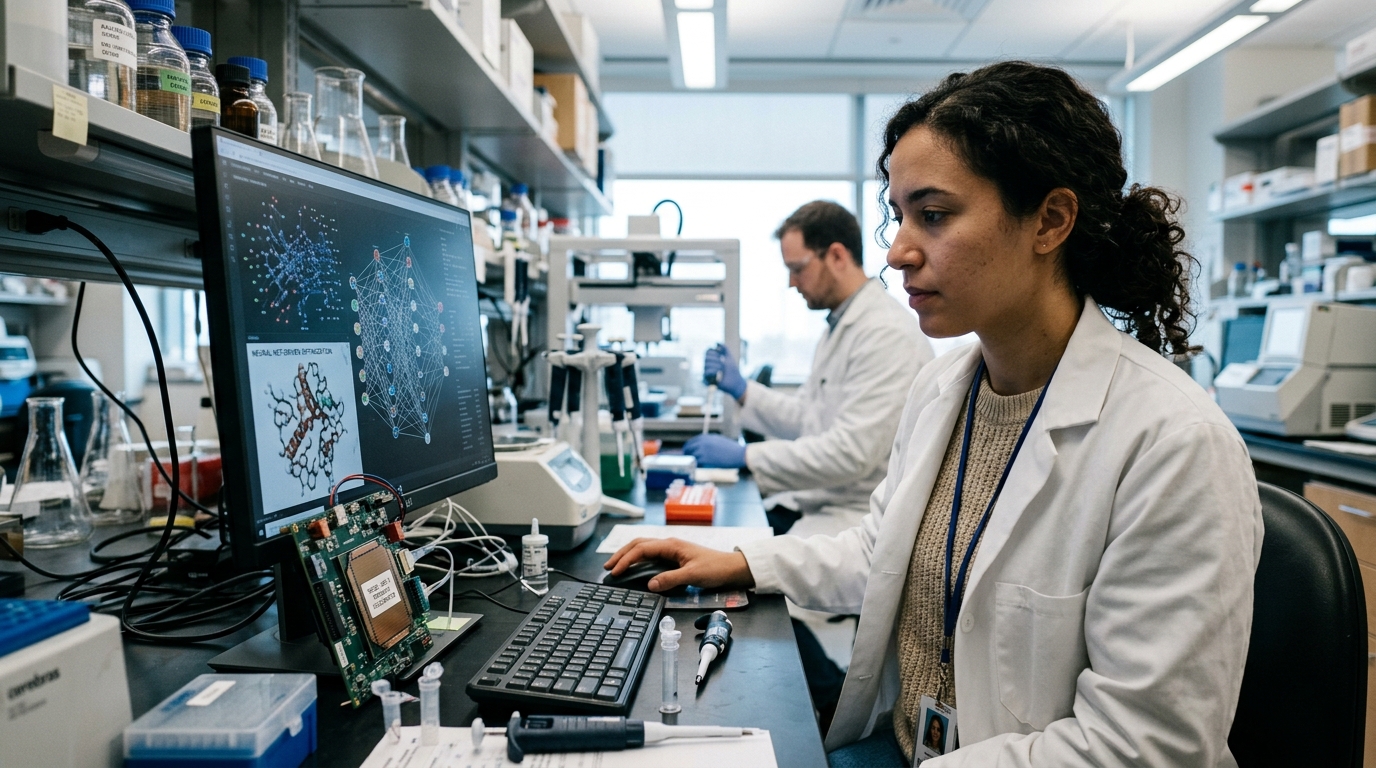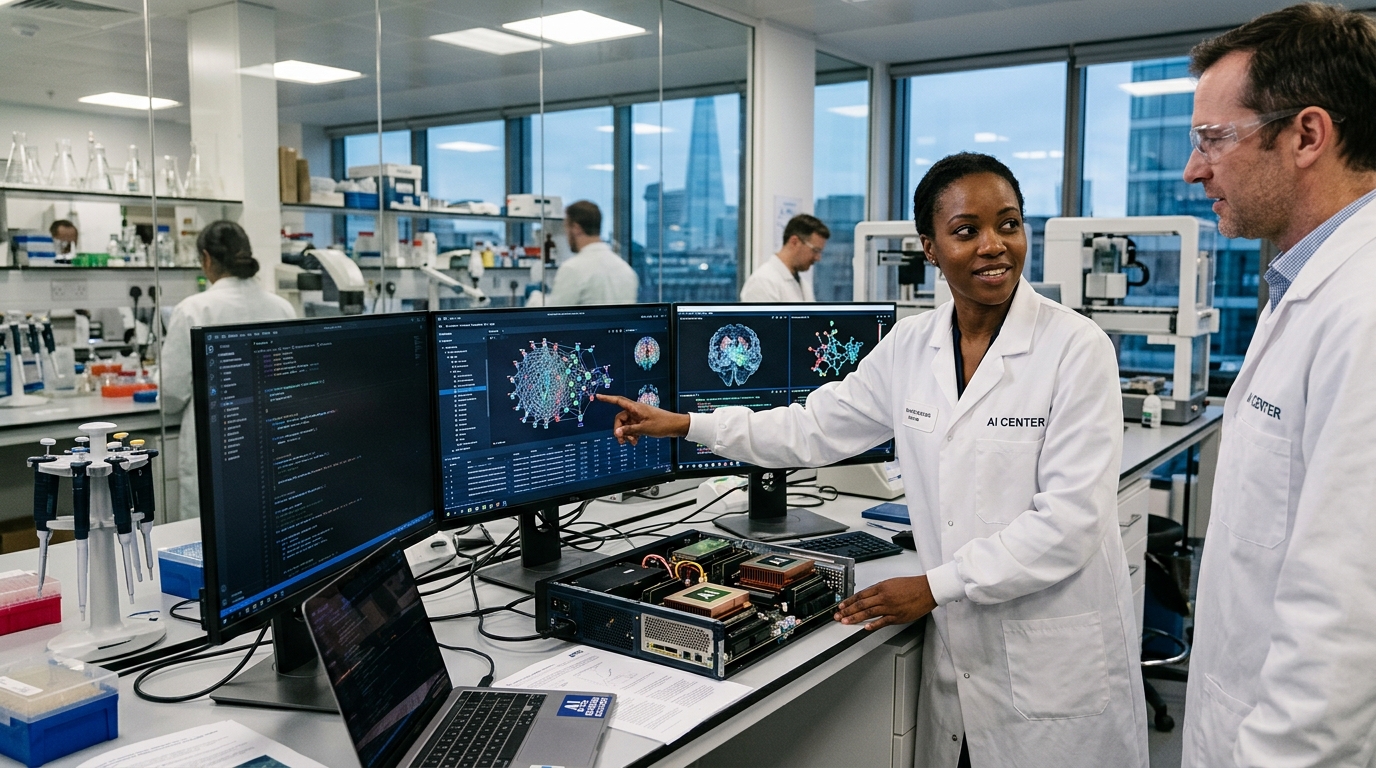
In a move that underscores the seismic shift of pharmaceutical research from traditional wet labs to high-performance computing, Boehringer Ingelheim has announced the establishment of a new Artificial Intelligence (AI) centre in the heart of London. This decision is far more than a simple geographical expansion; it is a strategic manifesto for the future of medical innovation, placing the German family-owned giant at the epicenter of the "Golden Triangle"—the elite research corridor linking London, Oxford, and Cambridge.
The London Strategic Imperative
London has rapidly evolved into a global sanctum for Artificial Intelligence, hosting pioneers like Google DeepMind alongside a constellation of world-class academic institutions. Boehringer Ingelheim seeks to tap into this vibrant ecosystem to bridge the gap between biological science and advanced informatics. The new hub will focus on leveraging Generative AI and machine learning to parse through gargantuan datasets that have historically overwhelmed human researchers.
The choice of London is particularly poignant for the United Kingdom as it strives to cement its status as a "Life Sciences Superpower" in the post-Brexit landscape. Access to specialized talent—ranging from data scientists to computational biologists—is the primary engine driving this investment. The company acknowledges that the next generation of life-saving drugs will not be discovered solely through petri dish experimentation, but via algorithms capable of predicting molecular interactions with proteins in a matter of seconds.
Accelerating the Path from Bench to Bedside
The traditional trajectory of drug development is notoriously arduous, often spanning over a decade and costing billions of dollars. Boehringer Ingelheim aims to disrupt this paradigm. The London AI centre will focus on three fundamental pillars: identifying novel therapeutic targets, designing optimized molecules, and personalizing clinical trials.
- Structural Prediction: Utilizing models akin to AlphaFold, researchers can decode the structural complexities of diseases at a molecular level with unprecedented clarity.
- Digital Twins: Creating digital patient models allows for the simulation of drug responses, mitigating risks before human trials even commence.
- Biomarker Analytics: AI can detect subtle shifts in patient data that indicate a drug's efficacy long before traditional diagnostic methods can.
"Integrating AI into our research is no longer an optional luxury; it is the essential force that will allow us to address unmet medical needs with a velocity that was inconceivable just five years ago," company executives noted during the announcement.
Challenges and the Ethical Frontier
Despite the palpable excitement, the deployment of AI in pharmaceuticals raises profound questions. Data integrity is paramount; if the input data is fragmented or biased, the AI's outputs could be inaccurate or even hazardous. Furthermore, the issue of patient privacy remains a delicate balancing act, as training these sophisticated models requires access to sensitive medical records.
Boehringer Ingelheim has pledged its commitment to "Responsible AI," ensuring that human oversight remains the final arbiter in the decision-making process. However, the competition is fierce. Peers such as Novartis and AstraZeneca are also pouring billions into similar digital infrastructures, sparking an informal "arms race" in digital health. The success of the London hub will ultimately be measured by its ability to translate raw computational power into tangible therapies that reach the pharmacy shelf.
The Dawn of Digital Medicine
This initiative signals the end of an era where the pharmaceutical industry was viewed as a slow-moving behemoth. With the new London hub, Boehringer Ingelheim is transforming into a technology firm that happens to produce medicine. The convergence of biology and code promises a new era of "smart" pharmaceuticals, where treatments are as unique as a patient’s genetic fingerprint. For the global scientific community, London is becoming the laboratory where the next chapter of human longevity will be written.