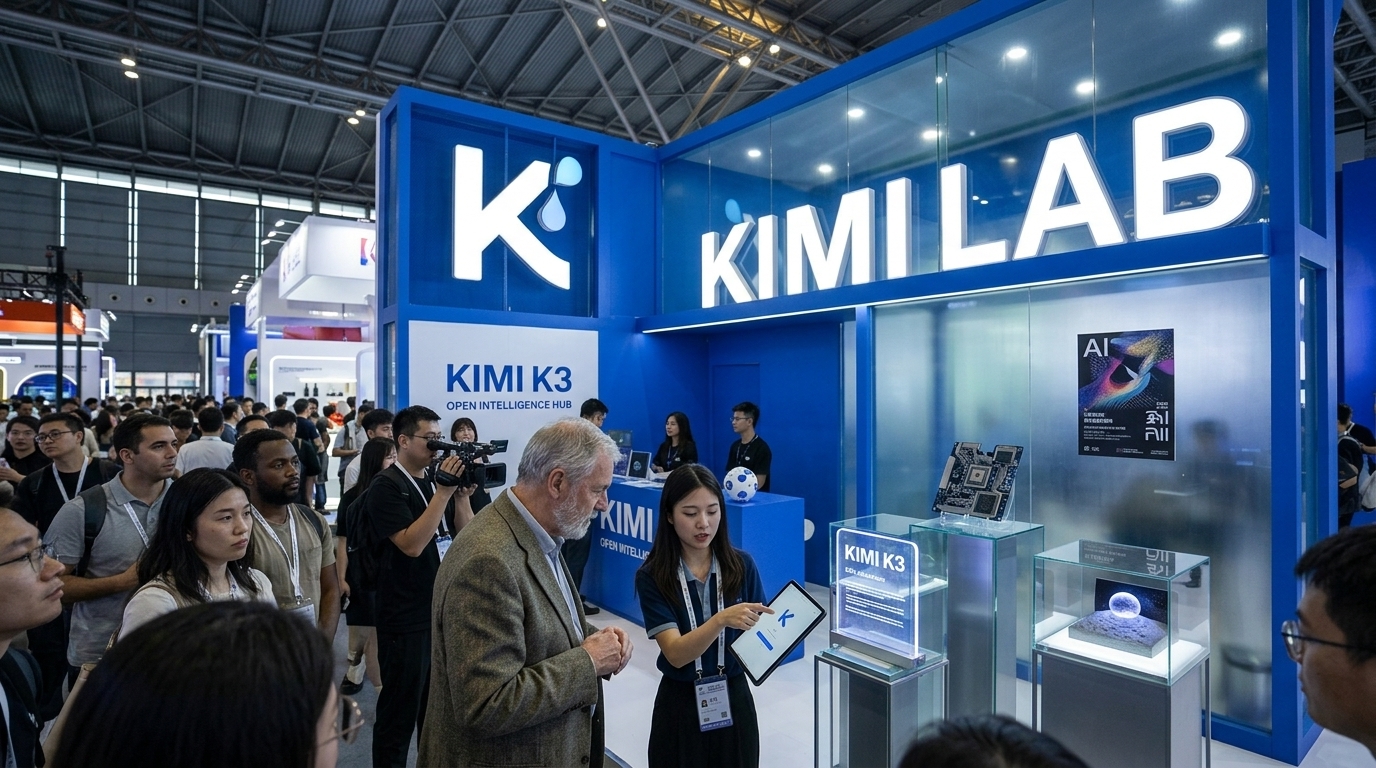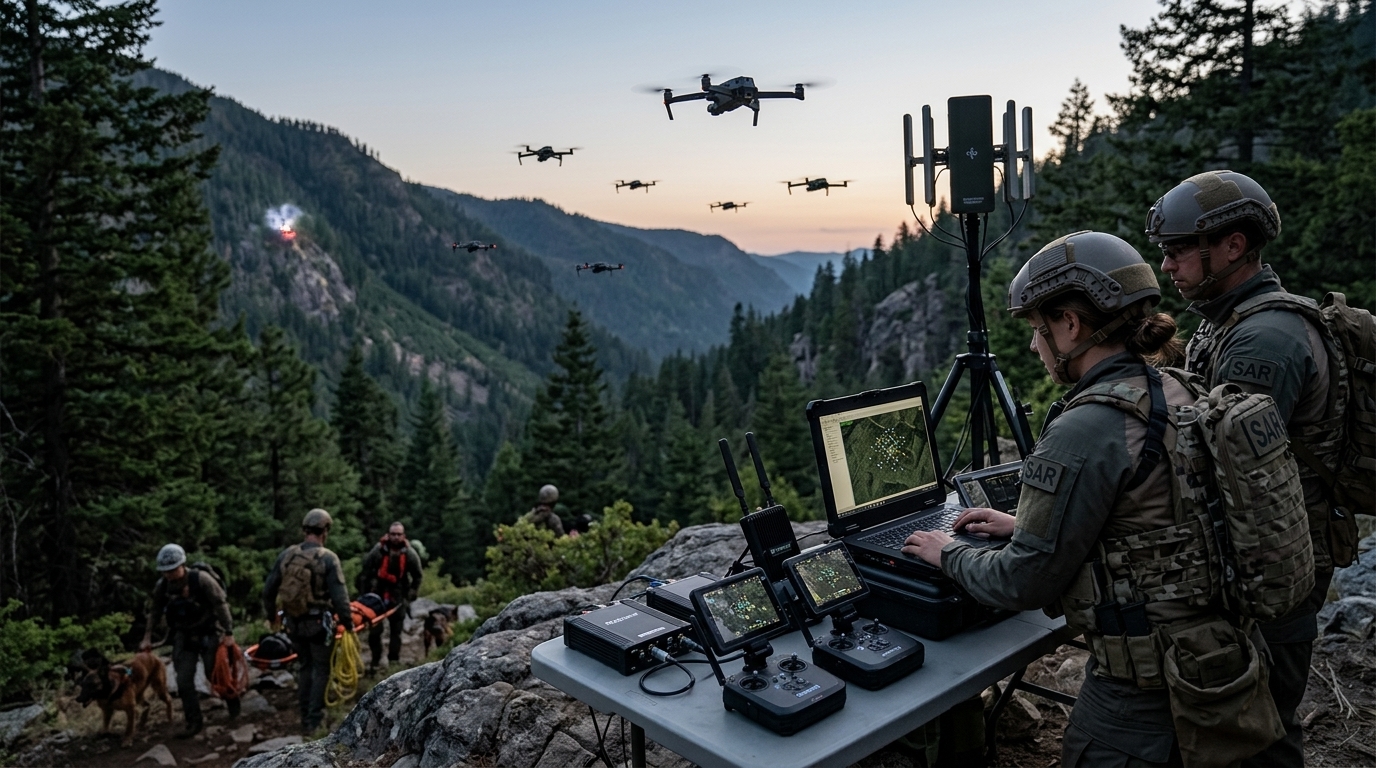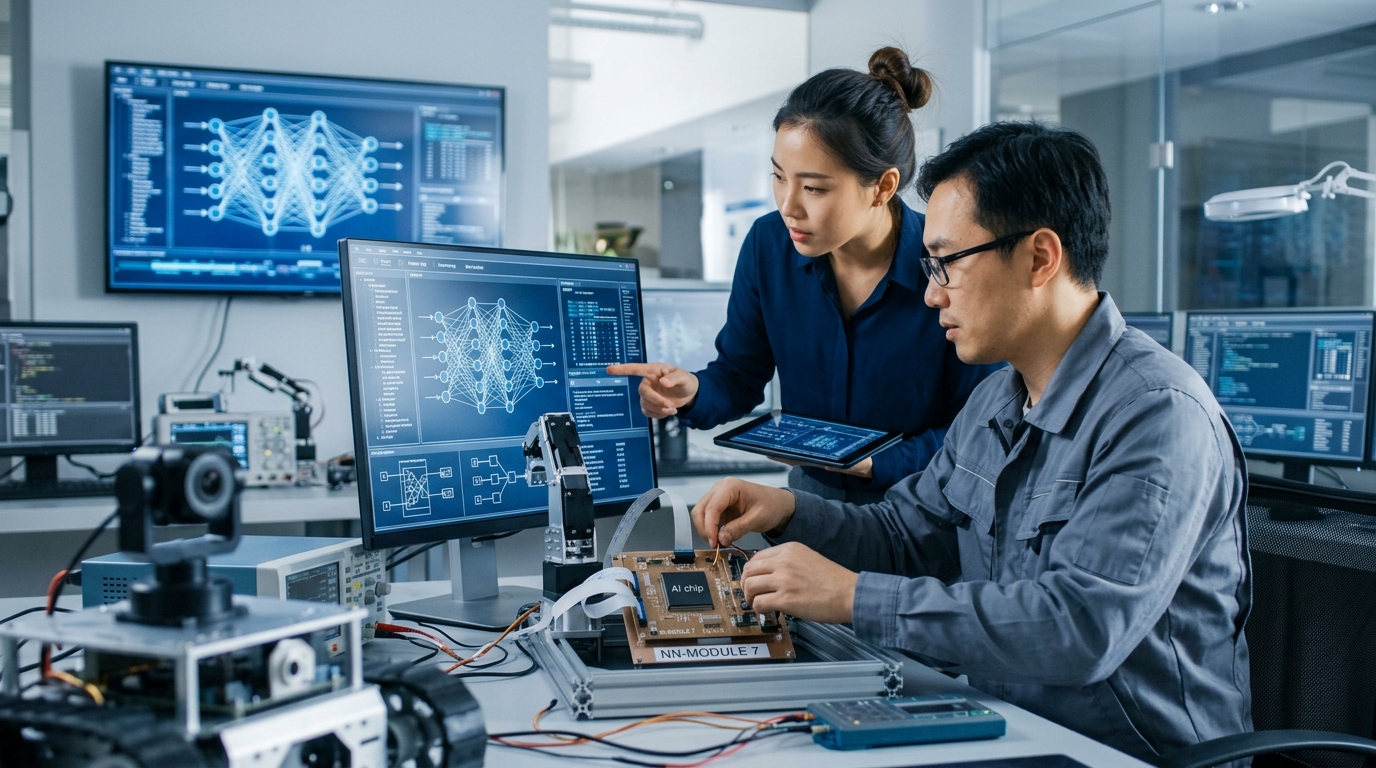
In a strategic move that redraws the map of global artificial intelligence, Chinese tech giant Alibaba Cloud has announced the release of new AI models specifically designed for the robotics sector. This development signals a broader industry shift: moving away from passive chatbots that merely answer questions toward "AI Agents" and "Embodied AI," where software gains a "body" and the ability to act in the real, physical world.
The Ascent of Embodied AI
The new model, part of the Qwen (Tongyi Qianwen) family, is not just a text processor. It is a Large Vision Language Model (LVLM) capable of simultaneously processing visual data and linguistic commands, allowing robotic platforms to "understand" their environment. According to Alibaba, these models can analyze real-time video, recognize objects, and perform complex tasks requiring spatial reasoning.
The transition from digital to physical is the "Holy Grail" of the current decade. While 2023 and 2024 were the years of Large Language Models (LLMs), 2026 is emerging as the year when AI begins to turn gears, organize warehouses, and assist in surgical procedures. Facing intense competition from Baidu and Huawei, Alibaba is betting on an open architecture to attract robotics developers worldwide.
From Chatbots to Autonomous Agents
The fundamental difference between a chatbot and an agent lies in autonomy. A chatbot waits for a prompt to generate text. An AI agent, equipped with Alibaba's new models, can receive a general goal—for example, "clean the table"—and independently analyze the steps: identifying trash, calculating distance, controlling robotic arms, and completing the task without further intervention.
- Spatial Reasoning: Qwen2-VL models demonstrate enhanced ability in understanding 3D spaces.
- Multimodality: Combining vision, audio, and text for a holistic perception.
- Open Ecosystem: Alibaba continues its open-source tradition, offering tools that can be integrated into various hardware setups.
Geopolitical Competition and Chinese Strategy
Alibaba's move does not occur in a vacuum. China has set a national goal for robotics hegemony by 2027. With U.S. chip export restrictions remaining stringent, Chinese firms are forced to innovate at the software level, maximizing the efficiency of available resources. Alibaba Cloud, as the largest cloud provider in Asia, possesses the infrastructure to train these massive models while offering them as a service (Model-as-a-Service).
"We are not just building better language models; we are building the brains for the machines of the future," a company executive stated during the presentation in Hangzhou.
The challenge remains safety and reliability. In the physical world, an AI error doesn't just mean a wrong answer in an email; it means potential property damage or injury. Therefore, Alibaba emphasizes "alignment protocols," ensuring that agents operate within predefined safety boundaries.
The Future of Work and Productivity
Integrating such models into manufacturing is expected to revolutionize "dark factories," where human presence is minimal. However, Alibaba is also targeting domestic robotics. The ability of a robot to understand complex visual scenes paves the way for home assistants that can truly perceive the needs of the elderly or the specificities of a household.
In conclusion, Alibaba's move marks the end of the era of "static AI." As Qwen models become more capable of processing the physical world, the boundaries between software and hardware blur, bringing us closer to a future where artificial intelligence is not just on our screens but walking among us.