The AI landscape in China as of June 2026 bears little resemblance to the uniformity of previous years. As the global race for AI supremacy enters a period of structural maturity, two of the world’s most influential entities, Alibaba and ByteDance, are carving out radically different trajectories. Alibaba, the traditional e-commerce titan, is weaponizing AI as a tool for immediate profitability and operational excellence. ByteDance, the parent company of TikTok, is looking far beyond the immediate horizon, funneling billions into fundamental research that promises to redefine the very nature of digital interaction.
Alibaba: AI as the New Engine of Retail Efficiency
For Alibaba, artificial intelligence is not a laboratory curiosity; it is the central nervous system of a modernized retail empire. Through its proprietary Qwen models, the company has achieved a level of automation that was unthinkable just years ago. Within the ecosystems of Tmall and Taobao, AI no longer simply suggests products; it orchestrates the entire consumer journey. Alibaba’s AI can now generate hyper-personalized marketing campaigns in real-time, manage global supply chains with second-by-second precision, and provide virtual shopping assistants capable of sophisticated emotional intelligence.
The strategy is unapologetically pragmatic. By integrating AI into its logistics arm, Cainiao, Alibaba has slashed delivery costs by 15% through predictive algorithms that anticipate demand patterns before a single click is made. Furthermore, Alibaba Cloud has pivoted toward providing specialized AI solutions for small and medium-sized enterprises (SMEs), effectively democratizing high-end computing power. This approach aims to bolster shareholder value through tangible efficiency gains, soothing investors who have grown weary of the "AI hype" and are now demanding clear returns on investment.
ByteDance: The Strategic Pivot to Long-Term Research
In contrast, ByteDance is following a path more akin to the visionary R&D seen at OpenAI or Google’s DeepMind. Despite the astronomical success of TikTok and its domestic counterpart Douyin, the company recognizes that recommendation algorithms have reached a point of diminishing returns. ByteDance’s new directive focuses on what analysts call "Fundamental AI Research." This involves the development of advanced multimodal models capable of synthesizing video, audio, and text with a level of coherence that mimics human reasoning.
- Development of autonomous AI agents capable of executing complex multi-step tasks without human oversight.
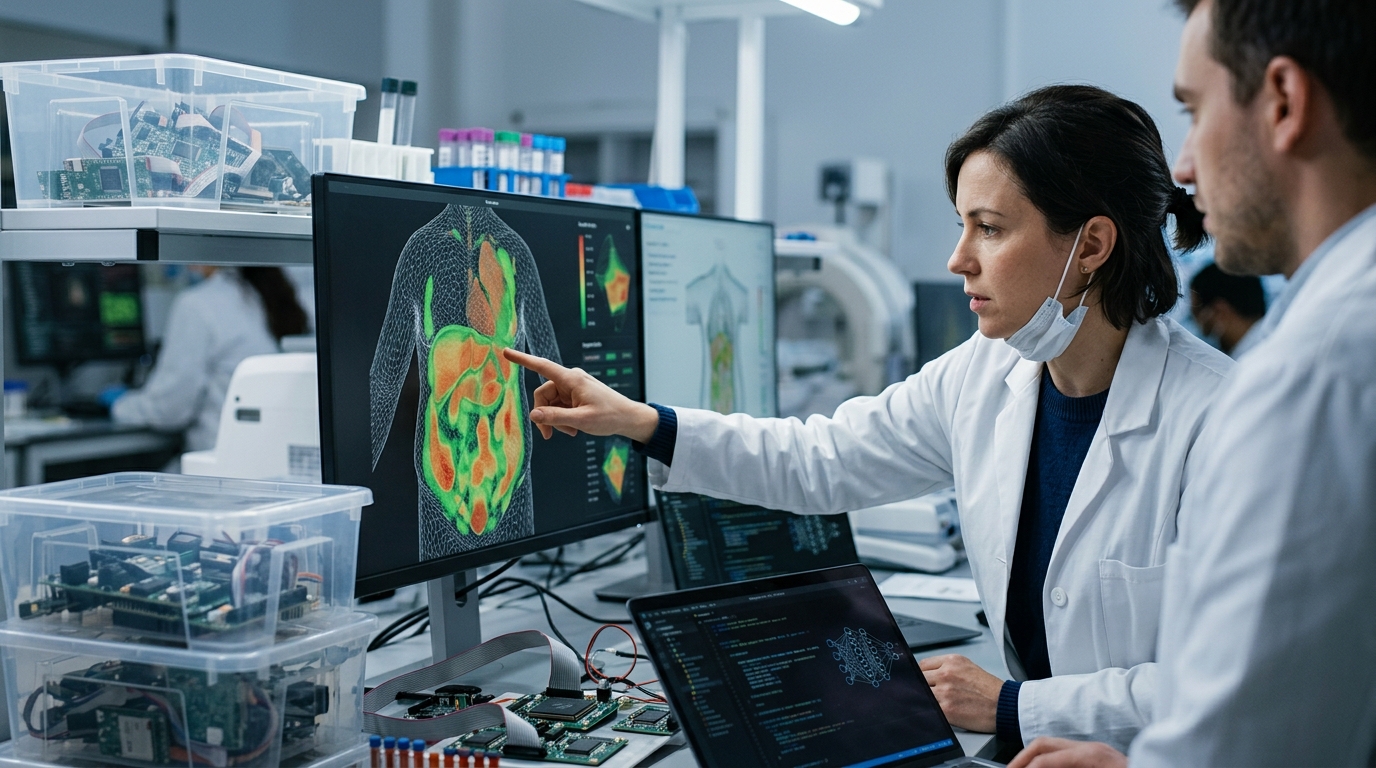
- Significant investment in computational biology and material science driven by generative AI.
- Invention of novel neural architectures designed to bypass the hardware constraints of current Transformer models.
ByteDance is not rushing to monetize every breakthrough. Instead, it is building an ecosystem where research fuels the future. Its Doubao model, which began as a simple consumer assistant, has morphed into a foundational platform upon which thousands of developers are building next-generation applications. This focus on the "long game" allows ByteDance to remain at the bleeding edge of innovation, avoiding the stagnation that often plagues social media giants once they reach global saturation.
Geopolitical Realities and the Competitive Moat
This divergence in strategy does not occur in a vacuum. In 2026, the tightening of U.S. semiconductor export controls has forced Chinese firms to innovate under constraint. Alibaba is focusing on efficiency—doing more with the hardware it already possesses—while ByteDance is attempting to discover new training methodologies that require significantly less raw compute power. The Chinese government, meanwhile, maintains a watchful eye on both approaches, balancing the need for immediate economic stimulus (Alibaba) with the strategic necessity of technological self-reliance (ByteDance).
"The AI battle in China is no longer about who possesses the most data, but who possesses the most coherent philosophy for the future of human-machine collaboration," notes a senior technology analyst in Beijing.
In conclusion, Alibaba and ByteDance represent the two sides of the AI coin. One demonstrates how AI can refine and optimize the world we live in today, while the other is laying the groundwork for the revolutions of the next decade. The ultimate success of these divergent paths will not only dictate the future of the Chinese tech sector but will also recalibrate the balance of power in the global digital economy.