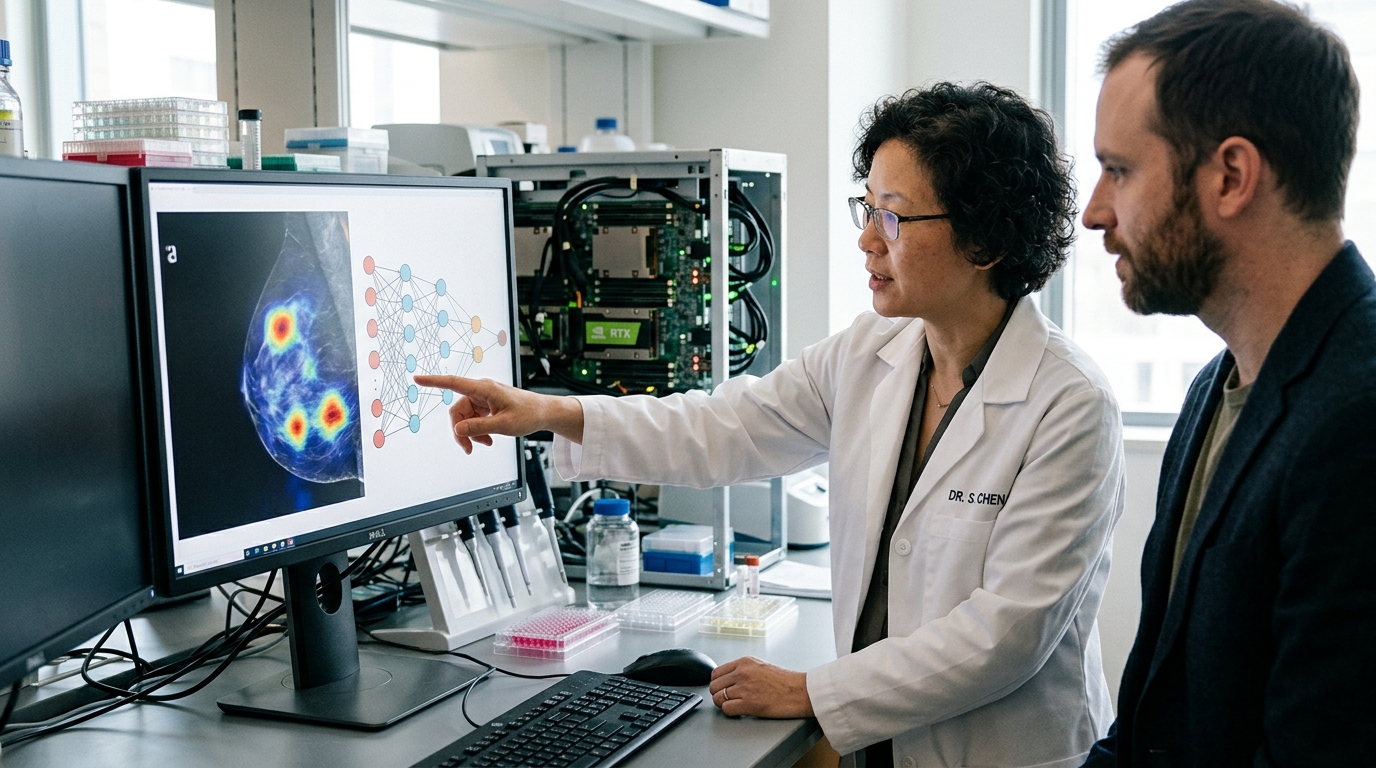
In the heart of Upstate New York, Albany Medical Center (Albany Med) is taking a definitive leap into the future of medicine. By integrating a sophisticated new artificial intelligence platform, the institution is fundamentally altering the landscape of complex neurosurgery. This development is not merely a technical upgrade; it represents a paradigm shift where human expertise harmonizes with computational power to push the boundaries of what is medically possible.
Mapping the Uncharted Terrain of the Mind
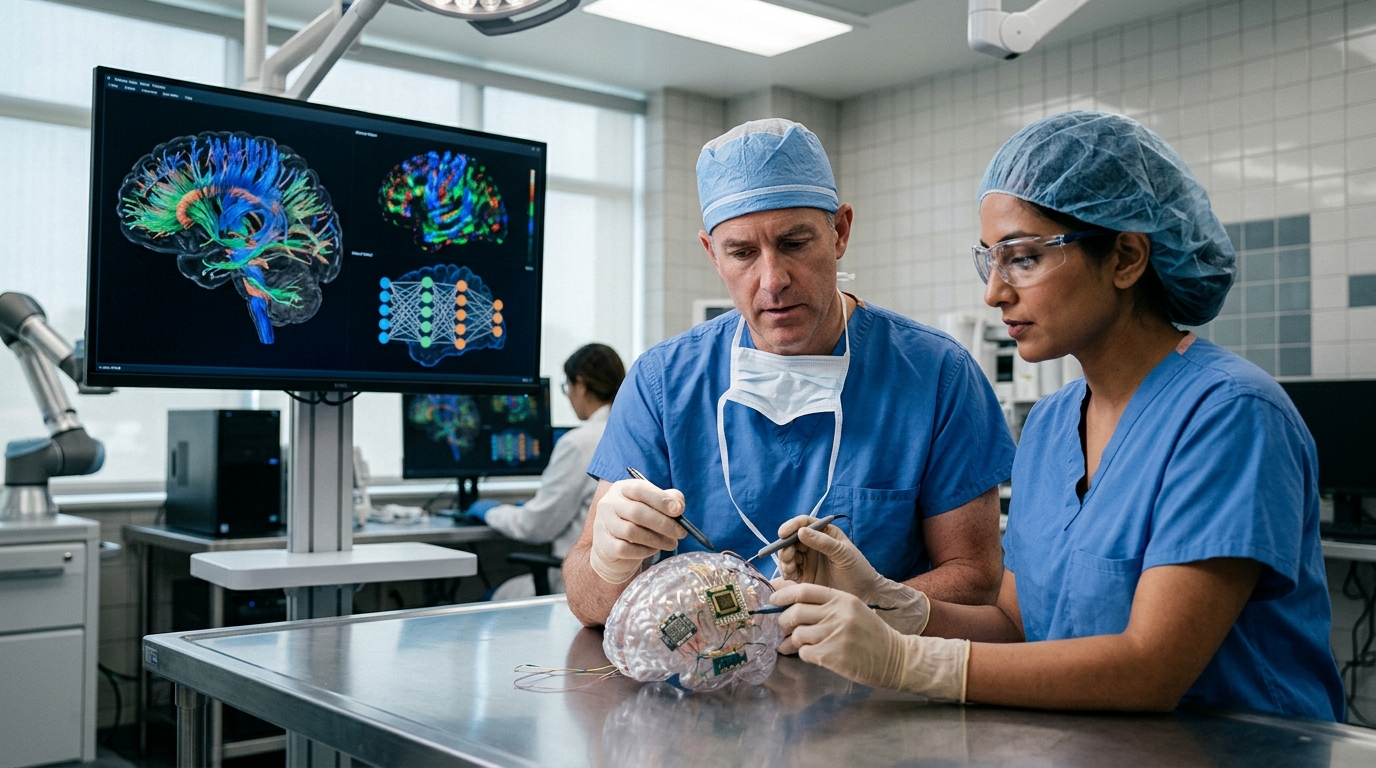
The human brain remains the most complex structure in the known universe. For decades, neurosurgeons have navigated its intricate pathways using static MRI scans and their own anatomical intuition. The new AI platform adopted by Albany Med functions as a high-precision GPS for the brain. Utilizing advanced machine learning algorithms, the system processes vast arrays of data in real-time, constructing high-definition 3D maps that highlight critical neural pathways responsible for speech, motor control, and vision.
This technology allows surgeons to 'see' through tissue before the first incision is even made. By analyzing the precise geometry of tumors and their proximity to vital blood vessels, the AI suggests the safest surgical corridors. This drastically reduces the risk of collateral damage, which in neurosurgery can often mean the difference between recovery and permanent disability.
Precision Meets Personalization
One of the most transformative aspects of this AI platform is its capacity for extreme personalization. No two brains are identical, and the AI can identify microscopic anatomical variations that might be overlooked in traditional imaging. At Albany Med, clinicians emphasize that the platform does not replace the surgeon; rather, it serves as an 'omniscient assistant' providing real-time feedback during the most high-stakes moments of a procedure.
- Reduced time in the operating room due to more efficient pre-operative planning.
- Minimally invasive approaches that lead to faster recovery times and less post-operative pain.
- The ability to treat tumors previously deemed 'inoperable' due to their precarious locations.
Furthermore, the platform serves as a revolutionary educational tool. Resident surgeons can perform 'virtual rehearsals' on a digital twin of a specific patient's brain. This allows them to encounter and solve potential complications in a simulated environment long before they enter the actual theater, effectively eliminating the element of surprise.
Ethical Considerations and the Future of Healthcare
While the technological benefits are clear, the integration of AI into the operating room brings forth significant ethical questions. Who is liable if an algorithmic suggestion leads to a complication? These legal and moral debates are central to the evolution of medical AI. However, Albany Med's leadership maintains that the final decision-making power rests firmly with the human surgeon. The AI is a tool—albeit a highly sophisticated one—designed to augment, not replace, human judgment.
"This is not about replacing human intuition, but about supporting it with data-driven insights that no human could possibly process in real-time," hospital representatives noted.
As we progress through 2026, Albany Med stands as a harbinger of things to come. The fusion of AI and medicine is no longer a futuristic concept but a present-day reality that is making the impossible possible. The challenge now lies in ensuring equitable access to these technologies, moving beyond elite medical centers to ensure that every patient, regardless of geography, can benefit from the life-saving precision of AI-assisted surgery.