The era of "growth at all costs" has officially yielded to the era of "automated efficiency." As we navigate the mid-point of 2026, data from the startup ecosystem confirms a long-standing suspicion: companies born within the Artificial Intelligence revolution are operating with structures that would have seemed impossible just five years ago. According to a comprehensive data analysis featured in Yahoo! Finance, AI startups aren't just more innovative—they are structurally leaner, upending traditional models of hiring and scaling.
The Revenge of Efficiency: Fewer Heads, More Value
Historically, a startup's success was often proxied by its headcount growth. A sprawling office filled with engineers and sales reps was seen as a sign of health and future dominance. Today, that image has flipped. Data indicates that AI-native startups are reaching Annual Recurring Revenue (ARR) milestones with 40% to 60% fewer employees compared to traditional Software-as-a-Service (SaaS) companies from the previous decade.
This isn't merely due to AI-assisted coding. While tools like GitHub Copilot and its successors have doubled developer productivity, the real delta lies in the "mechanical" operations of the business. Marketing, customer success, and legal functions within these startups are now increasingly handled by AI agents coordinated by a few highly skilled human operators. This is giving rise to a new class of companies that analysts call "Lean-corns"—unicorns with minimal headcount but massive market capitalization.
The Infrastructure Tax: Silicon vs. Salaries
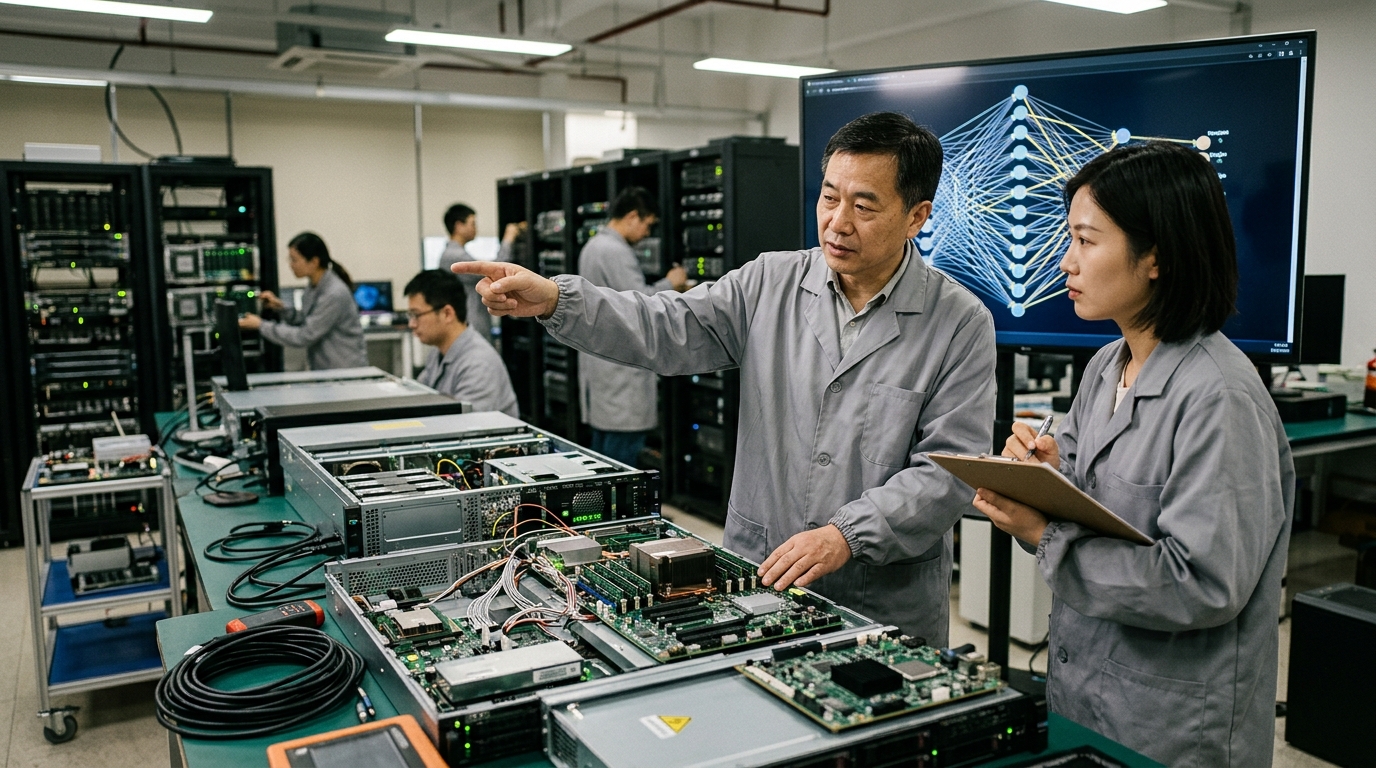
However, the fact that these companies run "lean" in terms of people doesn't necessarily mean they are "cheap" to operate. We are witnessing a fundamental shift in capital allocation. Previously, roughly 70% of a startup’s operational expenditure (OpEx) went toward payroll. Today, a significant portion of that budget is being diverted to compute infrastructure and API credits.
Venture Capitalists (VCs) are recalibrating their benchmarks. "We no longer care how many people you'll hire with your Series A," notes one prominent Silicon Valley investor. "We care about your revenue per employee and your compute efficiency." This shift creates a paradox: while the startup is more agile and can pivot faster without the friction of a massive workforce, it is more beholden to cloud providers, effectively swapping human capital costs for infrastructure costs.
The Illusion of the 'Solo Unicorn' and Market Reality
Despite the persistent rumors of the first one-person billion-dollar company, the reality remains more nuanced. AI is not replacing human judgment; it is amplifying it. The lean startups of 2026 are not devoid of people; they are packed with "polymaths." An engineer in such a firm must understand marketing funnels, and a sales lead must be capable of configuring AI agents.
This lean model offers a unique advantage for global ecosystems outside of Silicon Valley. The traditional disadvantage of having less access to massive capital pools is mitigated by the ability to build global products with small, elite teams. Running lean is no longer a necessity born of scarcity but a strategic choice for speed. Startups that master this "leverage" can outcompete legacy incumbents that are bogged down by middle management and manual processes.
"AI won't replace your startup, but a startup using AI will certainly replace one that isn't," the analysis suggests.
In conclusion, the data shows that the tech industry is undergoing a "human-labor deleveraging." Companies are becoming talent-dense and headcount-light. This promises higher returns for investors and more high-leverage roles for workers, but it simultaneously raises difficult questions about the future of entry-level white-collar employment in the broader technology sector.