In the medical world, rare diseases represent one of the most daunting challenges. Although each disease individually affects a small number of people, collectively over 300 million people worldwide live with one of the 7,000 recorded rare conditions. For these patients, the path to diagnosis is often described as a 'diagnostic odyssey' lasting an average of five to seven years, fraught with misdiagnoses and dead ends. Today, as we move through 2026, Artificial Intelligence (AI) emerges as a beacon of hope, promising to illuminate these dark paths. However, the question remains: is AI the definitive solution or just another tool hitting the wall of data scarcity?
Accelerating Diagnosis through Genomics
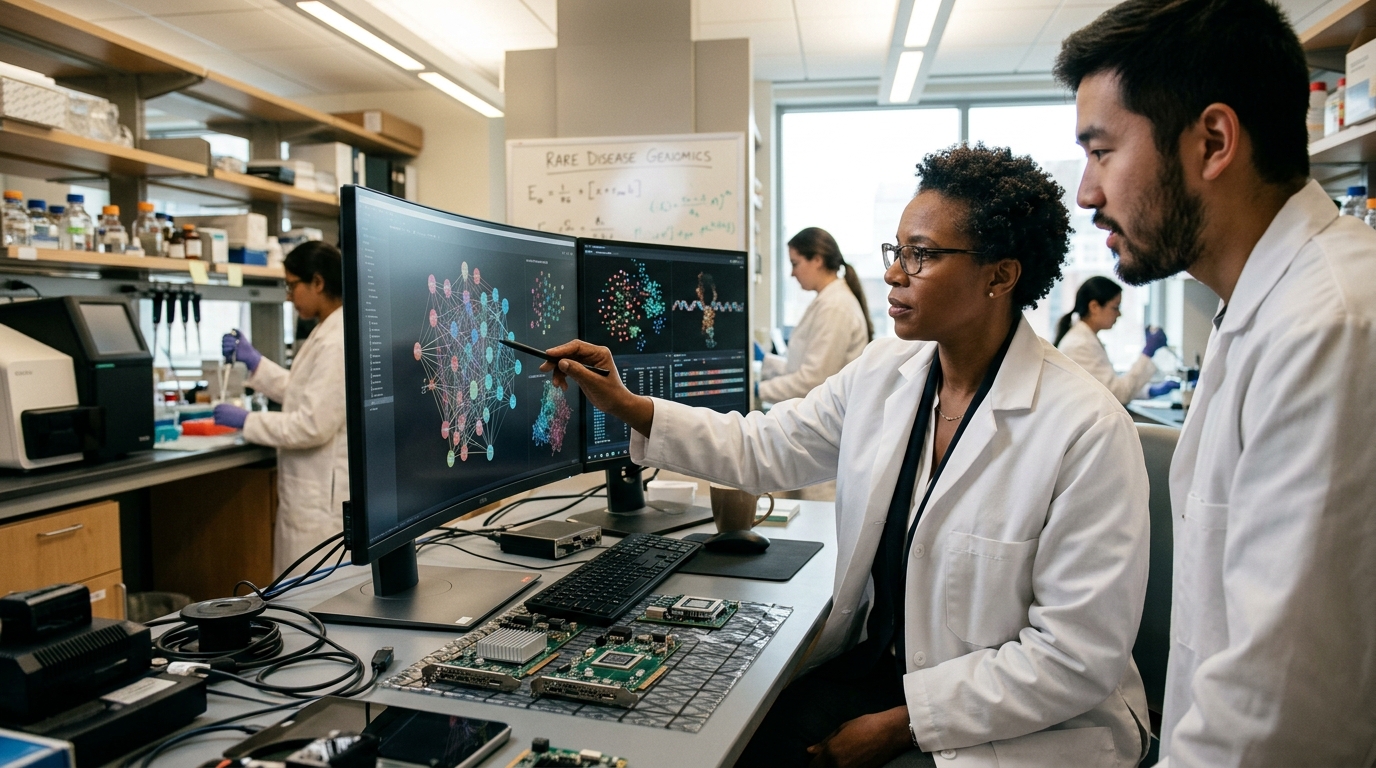
The greatest promise of AI in rare diseases lies in its ability to analyze vast volumes of genomic data. Traditional DNA analysis methods are time-consuming and often fail to identify rare mutations responsible for specific syndromes. Deep learning models can now scan entire genomes in seconds, comparing results with international databases and identifying patterns that the human eye would take years to notice.
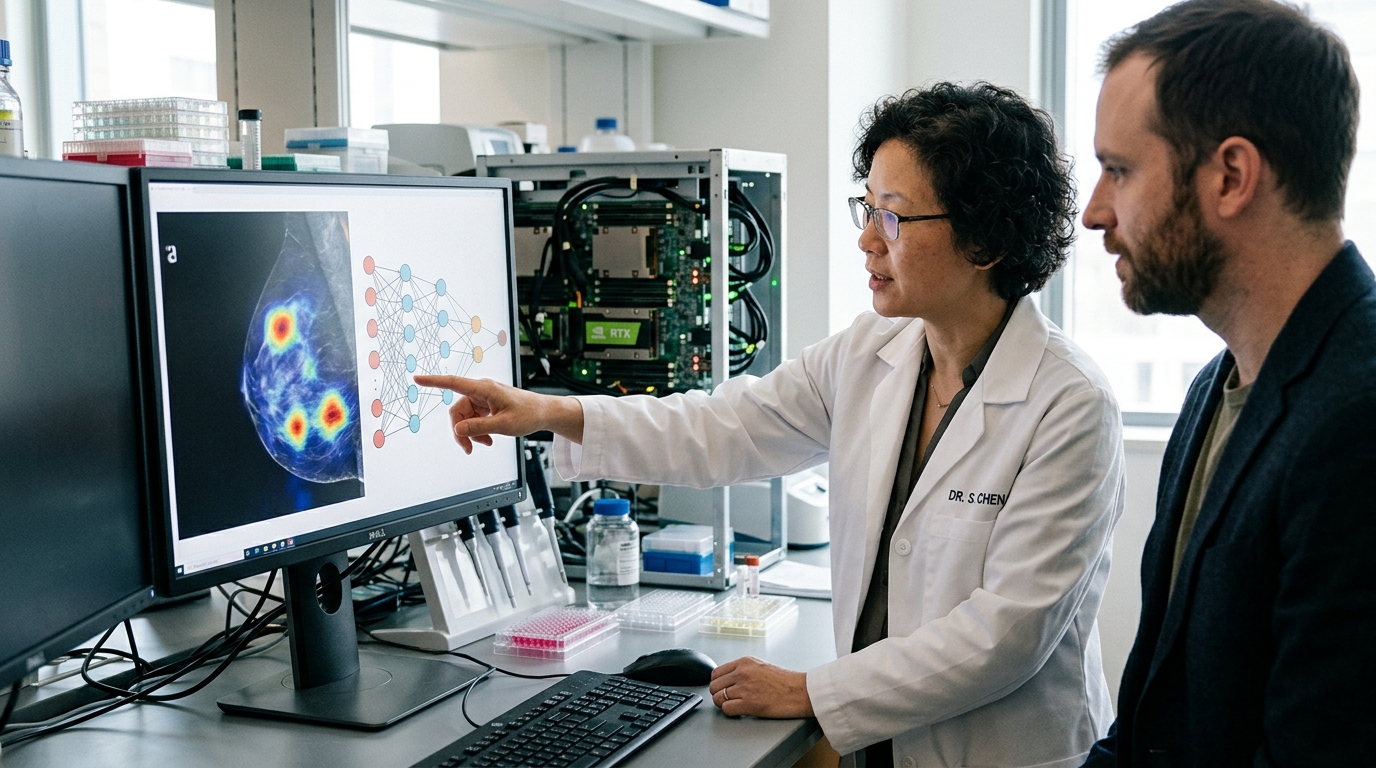
Furthermore, the use of computer vision has revolutionized phenotypic analysis. Specialized algorithms can analyze facial features or the body posture of a child, identifying subtle signs associated with genetic disorders. This 'digital phenotyping' allows clinicians to narrow down the range of potential diagnoses much earlier, drastically reducing the suffering of families.
The 'Small Data' Problem
While AI thrives on 'Big Data,' rare diseases are characterized by 'Small Data.' When there are only 100 or 200 patients worldwide for a specific disease, training an algorithm becomes extremely difficult. This is precisely where the critical turning point for the technology's reliability lies. To overcome this, researchers are turning to 'synthetic data' and transfer learning.
Generating synthetic data allows AI to create 'digital twins' of patients, simulating disease progression and response to treatments. This is particularly crucial for clinical trials of orphan drugs, where finding a sufficient number of participants is often impossible. If AI can accurately predict how a control group would react using synthetic data, then trials can be completed faster and with fewer actual patients, reducing cost and risk.
Drug Repurposing and Economic Viability
Another area where AI offers tangible results is drug repurposing. Developing a new drug from scratch costs billions and takes over a decade. For a rare disease, pharmaceutical companies often find no economic incentive for such an investment. However, AI can analyze the molecular structures of thousands of already approved drugs and identify which of them could be effective for a rare condition.
"AI isn't just discovering new drugs; it's discovering new hope on old pharmacy shelves," a bioinformatics researcher notes.
This approach changes the economics of health. If a hypertension drug proves effective for a rare muscular dystrophy, the approval process is much shorter and production costs are lower. This makes treatment accessible to populations previously considered 'unprofitable' for the global industry.
Ethical Dilemmas and the Future
Despite the optimism, challenges remain. Data privacy protection is critical, as the leak of genomic information for a rare disease can lead to patient identification, even if the data is anonymized. Additionally, there is the risk of 'algorithmic bias': if models are trained primarily on data from the Western world, they may not be as effective for patients from Africa or Asia.
In conclusion, Artificial Intelligence is not a panacea but a powerful catalyst. Its success depends on collaboration between states, research centers, and patients to create open, secure, and inclusive databases. 2026 finds the medical community at a crossroads: the technology is here, but the political will to implement it with a human-centric focus will determine whether the promises become reality.