In the current landscape of 2026, Artificial Intelligence (AI) is no longer an exotic promise but a daily reality. However, the ease with which businesses can now integrate Large Language Models (LLMs) into their operations has created a paradox: when everyone has access to the same "intelligence," no one has a competitive advantage. Recent analysis highlighted by international sources, including Vietnam.vn, underscores a critical truth: the real advantage of AI now lies in technologies that are exceptionally difficult to replicate.
The era of "AI-first" is giving way to the era of "Deep-Tech AI." It is no longer enough to use an API from OpenAI or Google. The stakes have shifted to owning proprietary data, vertical specialization, and, most importantly, controlling the physical infrastructure and specialized algorithms that solve problems in environments where general intelligence fails.
The Illusion of Accessibility and Commoditization
For years, the narrative around AI focused on its democratization. Indeed, today a developer in Hanoi or Athens can access computing power that was once the sole province of superpowers. But this accessibility has led to the "commoditization" of basic intelligence. If an application relies solely on a public model, a competitor can replicate it within hours.
The "moat," as Wall Street analysts call it, is no longer built on code, but on complexity. Technologies that are hard to replicate include systems that combine AI with biotechnology, materials science, and quantum computing. These fields require not just digital data, but years of physical experimentation that cannot be "scraped" from the internet.
High-Fidelity Data and the "Last Mile"
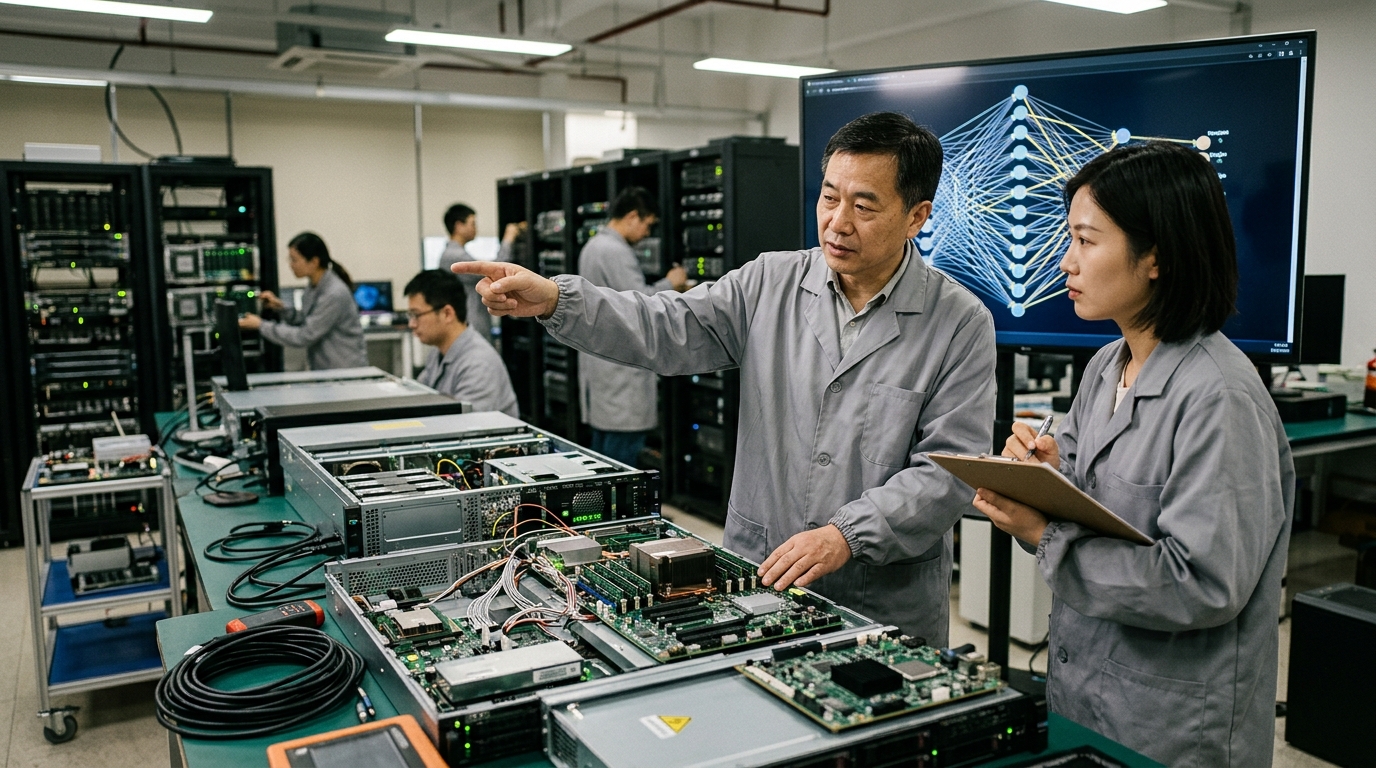
One of the most significant pillars of this advantage is proprietary, high-fidelity data. While the internet has been nearly exhausted as a training source for large models, data generated by sensors in industrial plants, from real-time medical diagnostics, or from specialized chemical reactions, remains locked away. Companies that own this data and have developed models to interpret it possess an advantage that cannot be bought with any subscription.
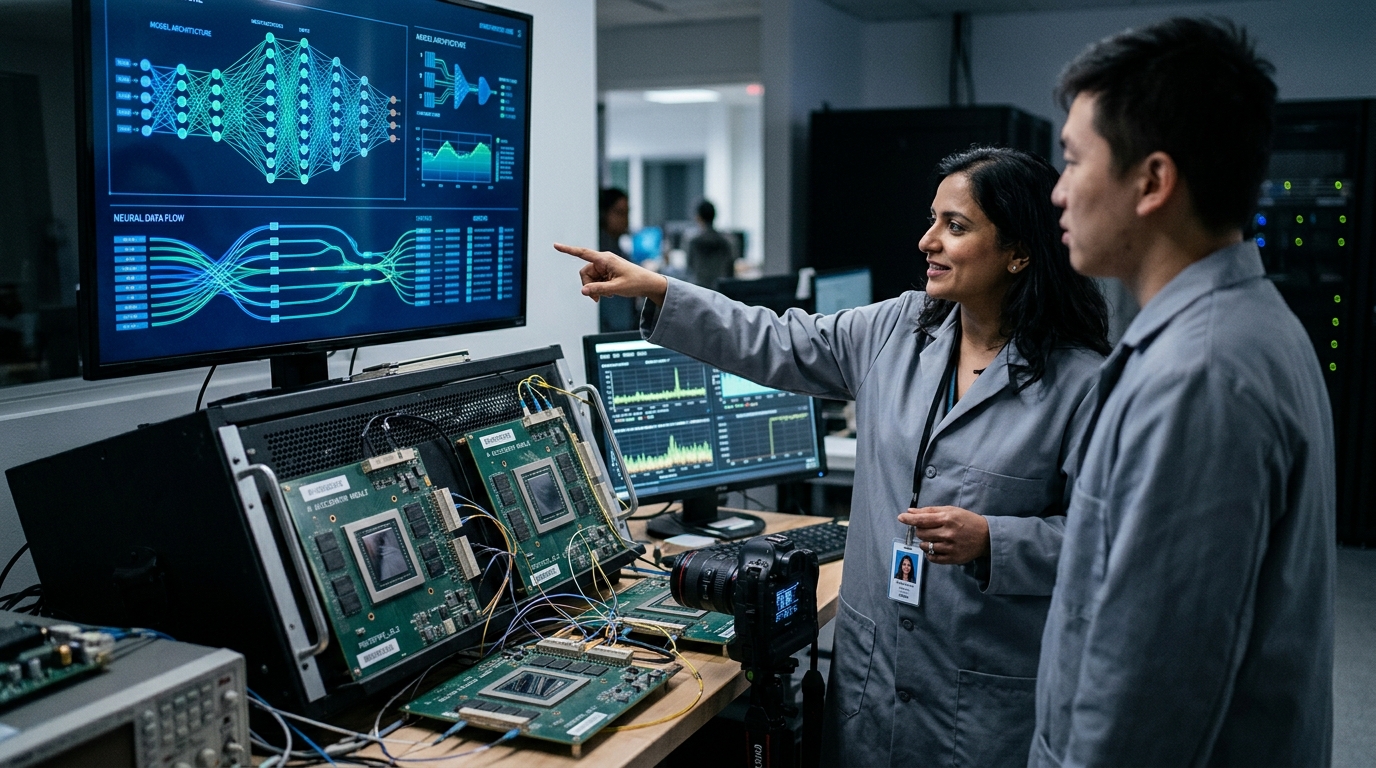
Furthermore, the "last mile" challenge—applying AI to critical infrastructure where error is not an option—requires an architecture that moves beyond the probabilistic approaches of today's chatbots. Developing deterministic AI systems that guarantee safety in autonomous vehicles or the power grid is a titanic effort requiring specialized hardware and years of testing.
The Geopolitics of Infrastructure and Energy Sovereignty
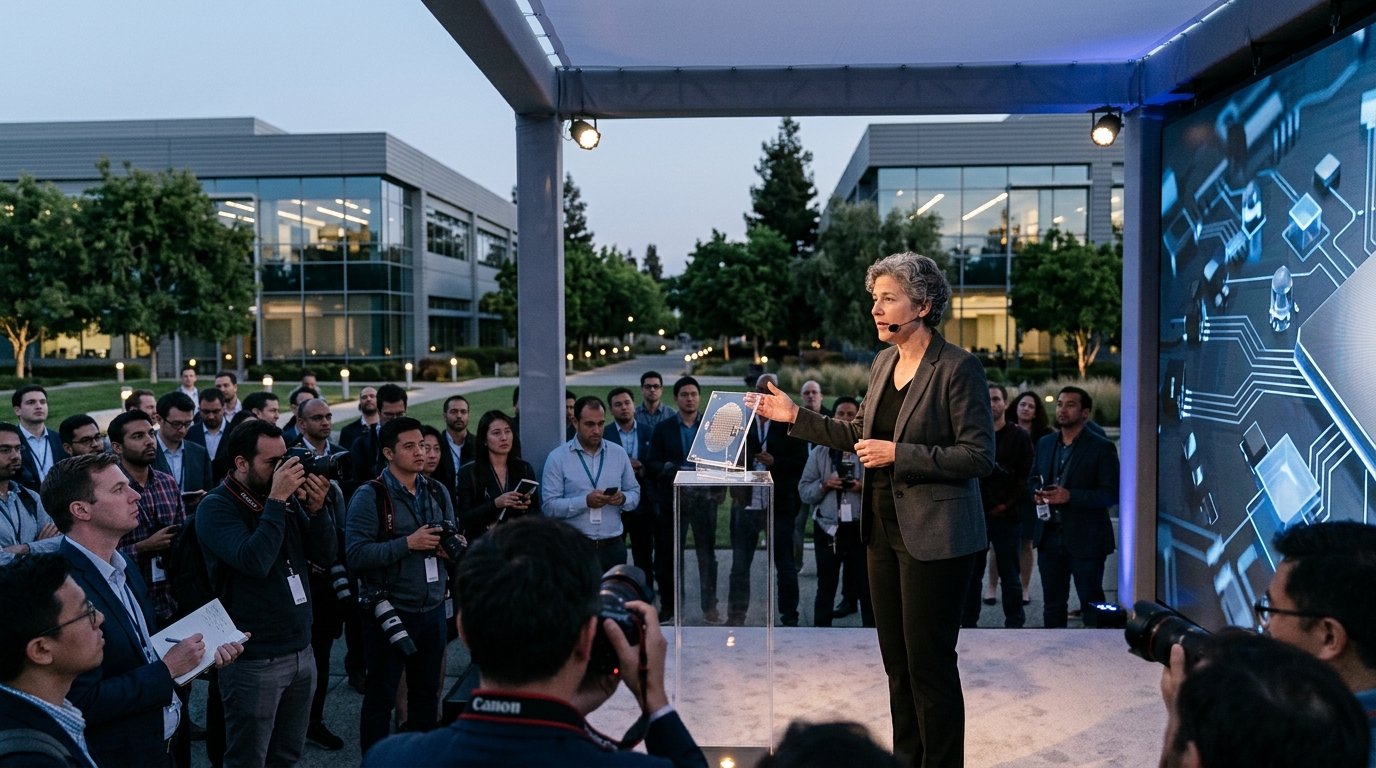
We cannot ignore the physical dimension of AI. The advantage now lies not just in software, but in access to next-generation semiconductors and, crucially, cheap and stable energy. Countries and organizations investing in their own chip production ecosystems and energy grids that support giant data centers are creating an advantage that competitors find impossible to reach without state backing.
"Artificial Intelligence is no longer a race for who writes the best code, but for who controls the molecules, the electrons, and the proprietary data that fuel the next industrial revolution."
In conclusion, as the dust from the first explosion of generative AI settles, it becomes clear that the winners of the next decade will be those who have built "hard" things. Innovation that requires deep knowledge of the physical world, massive capital, and unique datasets is the only kind that can offer sustainable market dominance.