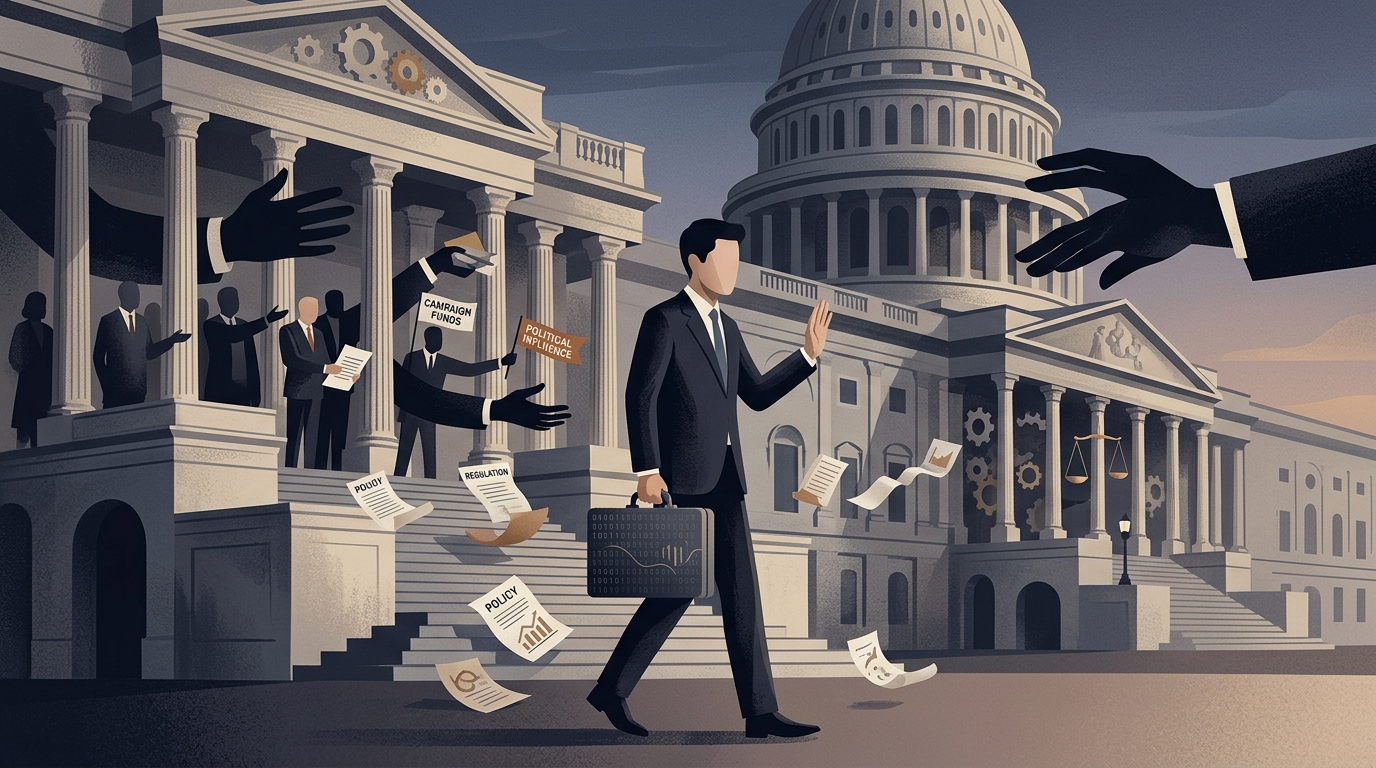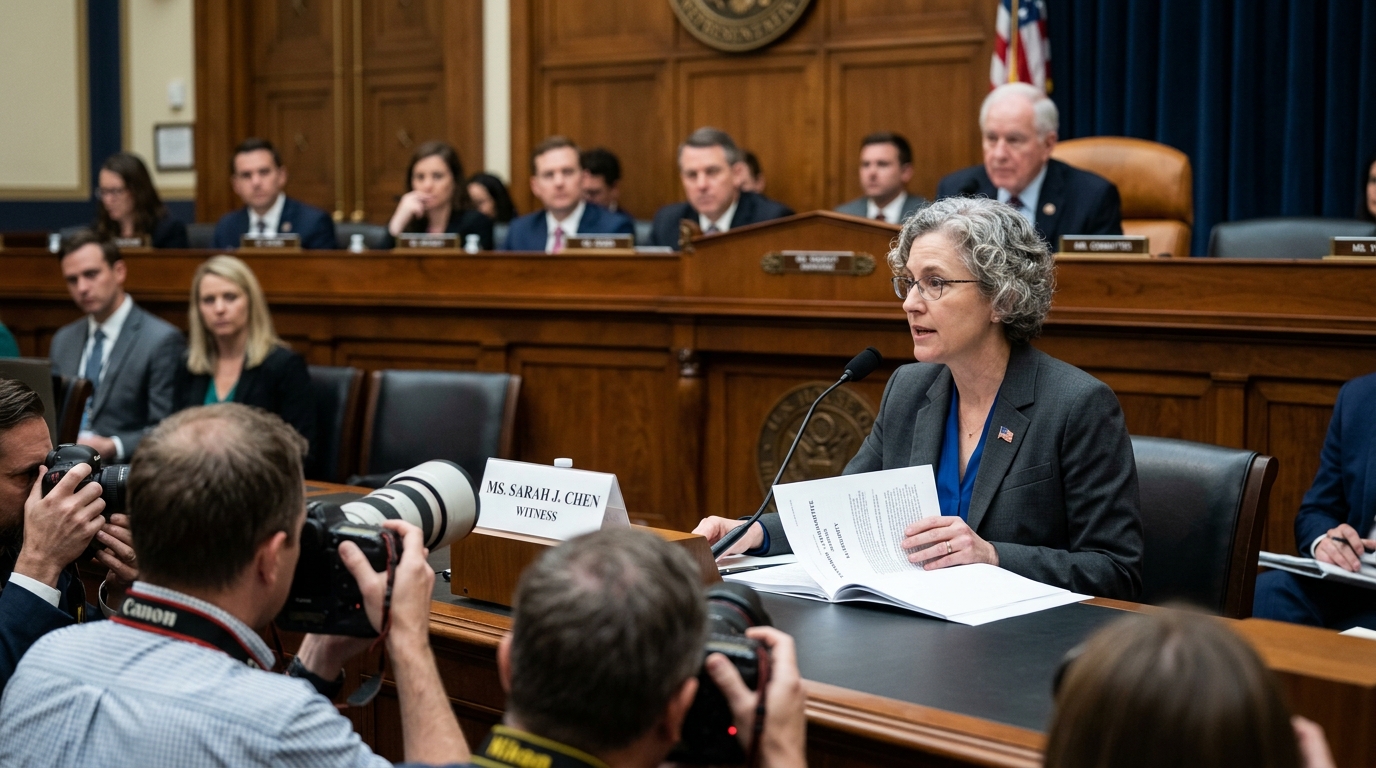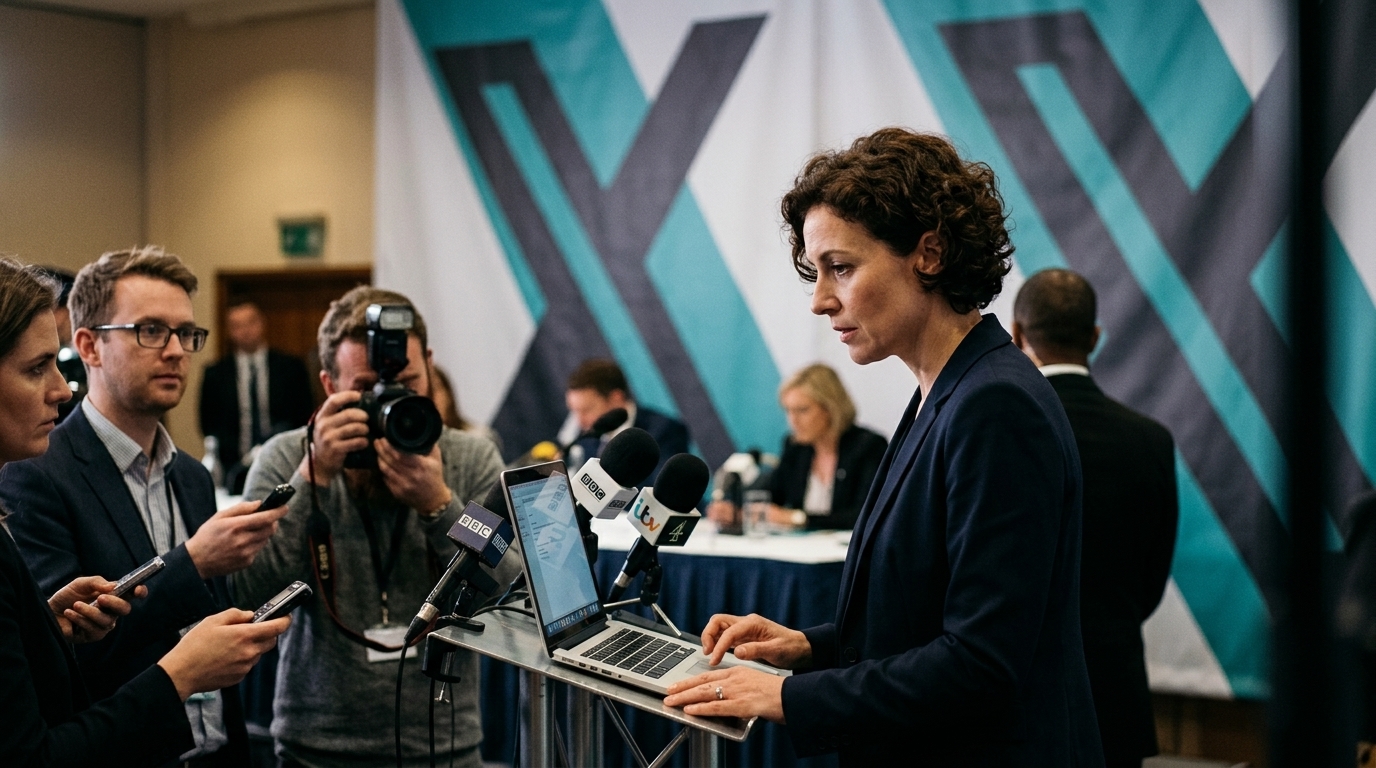
In a move that signals a significant retreat for Elon Musk’s ideological stance on digital governance, the social media platform X has formally entered into a series of commitments with the UK’s communications regulator, Ofcom. These commitments are designed to curb the spread of illegal hate speech and terrorist content within the United Kingdom, marking a pivotal moment in the enforcement of the country’s landmark Online Safety Act (OSA). For a platform that has prided itself on a laissez-faire approach to moderation, this agreement represents a pragmatic acknowledgment of the legal risks inherent in modern tech operations.
The Mechanics of Compliance: Geo-blocking and Moderation
Under the terms of the agreement, X has pledged to utilize its geo-blocking capabilities more aggressively. Specifically, the platform will "withhold access" to accounts and specific posts within the UK that are flagged for containing illegal terrorist propaganda or inciting hatred. This approach allows X to maintain its global content standards while adhering to the specific, more stringent legal requirements of the British jurisdiction. It is a technical solution to a political problem, effectively creating a regional filter for UK-based IP addresses.
Beyond simple blocking, X has committed to enhancing its internal reporting systems. This includes faster turnaround times for user-generated reports of illegal content and an investment in automated detection tools. Ofcom has emphasized that these are not merely suggestions but binding commitments. The regulator now has the authority to audit X’s internal processes, demand transparency reports, and, most importantly, levy fines. Under the OSA, non-compliance can result in penalties of up to £18 million or 10% of global annual turnover, whichever is higher. For X, this financial sword of Damocles has clearly outweighed the CEO’s personal rhetoric regarding absolute free speech.
The Clash of Free Speech Absolutism and Sovereign Law
Since Elon Musk acquired Twitter in late 2022, the platform has been at the center of a global debate over the limits of speech. Musk’s decision to dismantle safety teams and restore previously banned accounts led to friction with governments worldwide. However, the UK’s Ofcom has proven to be a formidable adversary. Unlike the more fragmented regulatory landscape in the United States, the UK’s OSA provides a centralized and powerful framework for holding platforms accountable for the safety of their users.
"The era of self-regulation for social media giants is over. We are moving toward a model where the state defines the boundaries of digital safety, and platforms must build the infrastructure to enforce it." — Digital Policy Analyst
This agreement highlights the growing phenomenon of the "splinternet." As nations pass their own unique digital safety laws, the experience of using a platform like X becomes localized. A user in London will now have a fundamentally different feed than a user in Florida or Tokyo. While proponents argue this is necessary to protect citizens from harm, civil liberties groups warn that it sets a precedent for government-mandated censorship that could be exploited by less democratic regimes.
Strategic Implications and the Road Ahead
The deal with Ofcom is likely a bellwether for X’s future interactions with the European Union’s Digital Services Act (DSA). By demonstrating a willingness to cooperate with the UK, Musk may be attempting to signal to Brussels that X is capable of compliance, thereby avoiding even harsher sanctions. However, the technical challenge remains immense. Having laid off a significant portion of its trust and safety staff, X must now rely heavily on AI to meet these new regulatory standards. The effectiveness of these automated systems will be under constant scrutiny from Ofcom’s data scientists.
- X must provide regular updates on its progress in identifying and removing illegal content.
- The platform is required to demonstrate that its algorithms do not inadvertently promote harmful or illegal material.
- Ofcom retains the right to launch formal investigations if X’s measures are deemed insufficient.
Ultimately, this agreement marks a transition from the "Wild West" of social media to a highly regulated utility model. For X, the choice was simple: adapt to the laws of the markets in which it operates or face financial ruin and potential exit from those markets. For the broader tech industry, the message is clear: sovereign governments are reasserting their authority over the digital public square, and even the most powerful tech moguls must eventually fall in line.