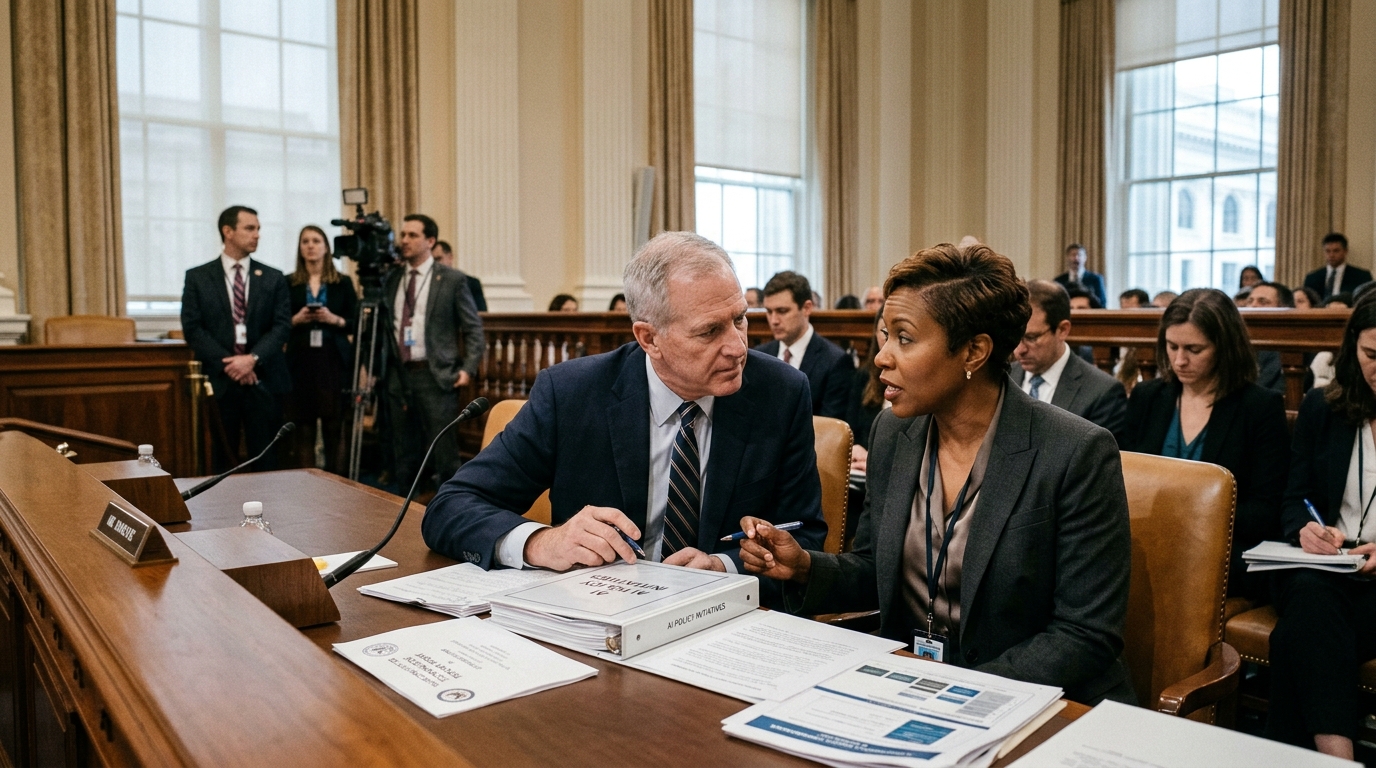
As we navigate the summer of 2026, the battle for dominance in Artificial Intelligence (AI) in the United States has shifted from the realm of theoretical concern to raw political and economic reality. Washington is no longer asking whether it should regulate AI, but rather who will hold the pen that writes the rules. In a rapidly shifting landscape, three primary poles of power have emerged: the federal government, the tech titans of Silicon Valley, and independent regulatory agencies.
The Executive Branch and the National Security Doctrine
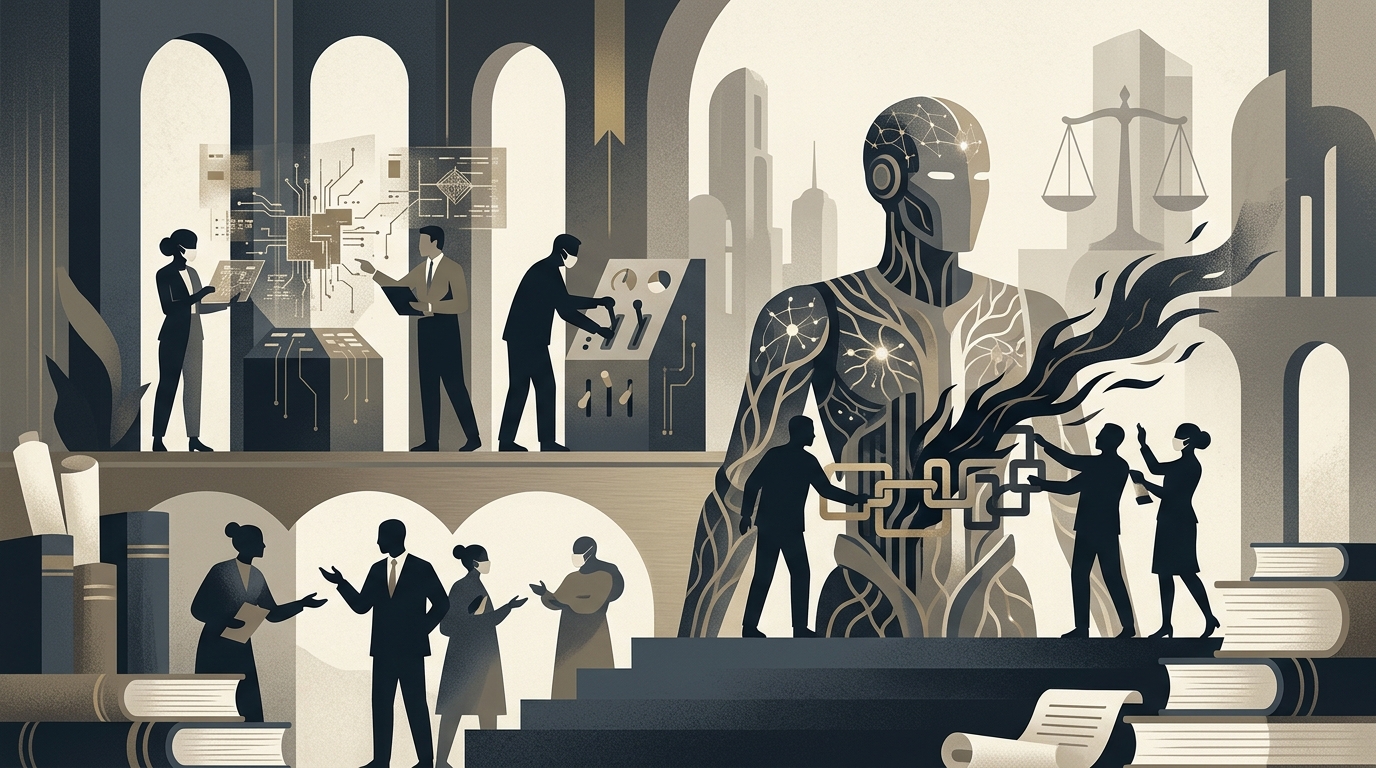
The White House, continuing the trajectory set by the landmark Executive Order 14110, has placed AI at the core of national security. The Department of Commerce, through the National Institute of Standards and Technology (NIST), has assumed the role of guardian of safety standards. The establishment of the U.S. AI Safety Institute now serves as the central hub where federal agents and data scientists collaborate to evaluate "frontier models" before they are released to the public.
However, the government's approach is not without its critics. Many argue that the focus on safety serves as a pretext for consolidating state control over innovation. The Biden-Harris administration, and its successors, have made it clear that AI is not just a productivity tool, but a weapon in the geopolitical competition with China. This "militarization" of commercial technology forces companies to align with national priorities, often at the expense of open access and global competition.
Congress and the Legislative Gridlock
While the executive branch moves through decrees, Congress remains a field of intense contention and slow progress. Despite the efforts of bipartisan groups, such as the one led by Senator Chuck Schumer, passing comprehensive AI legislation remains elusive. Disagreements center on critical issues: Who bears liability for the harms caused by AI? How are the intellectual property rights of creators protected? And, crucially, how can regulation be ensured not to stifle small startups to the benefit of monopolies?
- Intellectual Property: The battle between publishers and AI companies over model training.
- Algorithmic Bias: The need for transparency in decisions regarding hiring, loans, and justice.
- Labor Market: Creating safety nets for workers displaced by automation.
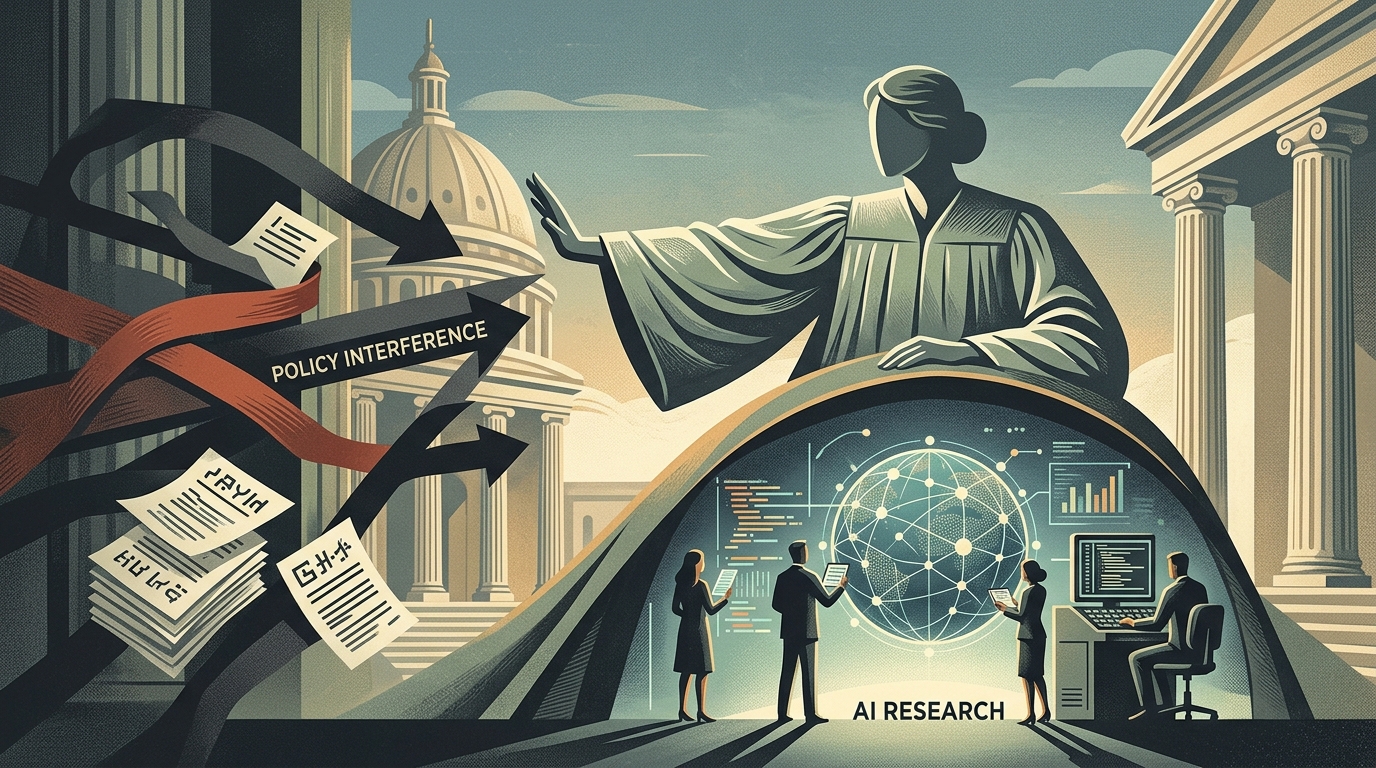
The inertia of Congress has created a power vacuum, which states are rushing to fill, with California leading the way in imposing its own strict rules, creating a patchwork of regulations that complicates company operations on a national level.
Silicon Valley and the Power of De Facto
In the absence of binding federal laws, big tech companies—Microsoft, Google, Meta, and OpenAI—are shaping the future through "self-regulation." These companies are not just players in the market; they are the architects of the digital ecosystem. Their decisions on which data to use, which ethical filters to apply, and who will have access to the most powerful models have a greater immediate impact than any law.
"Technology moves at the speed of light, while bureaucracy moves at the speed of paper. In the end, the codes we write are the real laws of the 21st century," a senior executive from a major industry firm noted.
The confrontation between closed models (like OpenAI's) and open-source (like Meta's) represents the new battlefield. Proponents of open-source argue that the democratization of AI is the only way to avoid the tyranny of the few, while advocates of closed systems cite the risk of malicious use by rogue states.
Conclusion: A Fragile Balance
Who will shape the future of AI in the US is not a question with a single answer. It is a dynamic process where political power, capital, and the scientific community are in constant friction. The challenge for American leadership is to find the middle ground: to protect citizens and national security without sacrificing the spirit of innovation that made the US a global leader. The outcome of this clash will determine not only the country's economic path but also the nature of democracy in the age of machine intelligence.