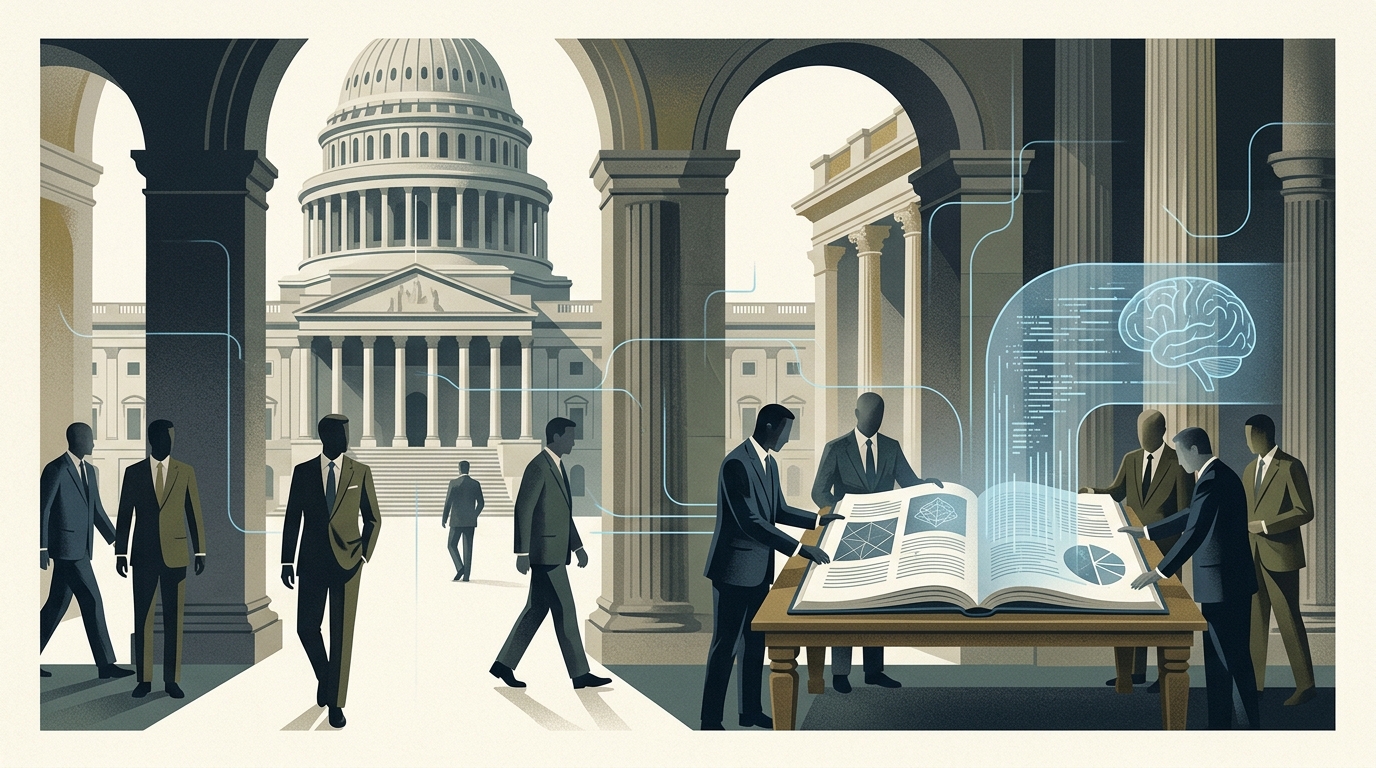
In a pivotal moment for the evolution of modern medicine, the U.S. Department of Health and Human Services (HHS) has announced a series of initiatives aimed at streamlining and safely adopting Artificial Intelligence (AI) in clinical settings. This move is not merely a bureaucratic response to technological advancements, but a fundamental overhaul of how the federal government oversees tools that are now making critical decisions about the lives and health of millions of citizens.
A Strategic Shift Toward Transparency
The core philosophy of the HHS, as expressed by top officials, centers on the concept of "transparent AI." Through the HTI-1 (Health Data, Technology, and Interoperability) rule, the HHS now requires developers of clinical decision support systems to provide detailed information about how their algorithms function. This includes training data, potential biases, and validation mechanisms.
The need for this transparency stems from the fear of the "black box"—systems that produce medical recommendations without doctors understanding the underlying logic. The HHS emphasizes that clinician trust is a prerequisite for AI adoption, and this trust can only be built through full disclosure of the technology's capabilities and limitations.
Inter-Agency Coordination
One of the greatest obstacles to integrating AI into healthcare has been the fragmentation of oversight. The HHS is now committing to enhanced coordination among its various agencies, such as the FDA (Food and Drug Administration), the ONC (Office of the National Coordinator for Health IT), and CMS (Centers for Medicare & Medicaid Services).
- FDA: Focuses on approving AI-based medical devices as safe and effective.
- ONC: Setting standards for data interoperability so AI systems can "talk" to each other.
- CMS: Exploring reimbursement models for AI-supported services, ensuring the technology is accessible.
This horizontal coordination is deemed essential to avoid conflicting guidance that could stifle innovation or leave gaps in patient safety.
Addressing Algorithmic Bias
One of the most thorny challenges that the HHS promises to prioritize is algorithmic bias. Numerous studies have shown that algorithms trained on non-representative population samples can lead to misdiagnoses or unequal resource allocation for minorities.
"Artificial Intelligence has the power to heal health disparities, but if we are not careful, it can just as easily entrench and exacerbate them," HHS leadership noted.
New guidelines will impose stricter controls on training data, requiring AI providers to demonstrate that their tools perform with equal accuracy across different demographic groups. This is part of a broader push to promote "responsible AI" that aligns with social justice values.
The Future of Clinical Care
The HHS's commitment to providing guidance comes at a time when hospitals and health systems are under immense pressure due to staffing shortages and rising costs. AI promises to take over administrative burdens, optimize workflows, and offer predictive tools that can prevent critical situations before they occur.
However, the transition will not be easy. It requires ongoing training for medical staff, investment in cybersecurity infrastructure, and, above all, a regulatory framework that evolves as quickly as the technology itself. The HHS seems to understand that its role is no longer just regulatory, but also advisory, acting as a bridge between technological innovation and clinical reality.