In the shifting landscape of digital security, Apple has traditionally been a bastion of methodical precision. The Cupertino tech giant was famous for its tightly controlled update cycles, prioritizing stability and perfection over raw speed. However, the recent news that the company is accelerating software updates in response to AI-driven cybersecurity concerns marks a historic pivot. This isn’t just a technical patch; it is a profound admission that traditional defenses are no longer sufficient against the velocity of AI-powered threats.
The Automation of Vulnerability
The primary catalyst behind this expedited move is the rapid proliferation of AI tools capable of identifying software vulnerabilities at speeds far exceeding human capacity. Until recently, discovering a zero-day exploit required weeks or months of manual research by elite hackers. Today, sophisticated Large Language Models (LLMs), specifically fine-tuned for code analysis, can scan operating systems like iOS and macOS for security flaws in mere seconds. Apple, recognizing that response time is now the most valuable currency in cybersecurity, has decided to break its own protocol.
Concerns are primarily focused on "prompt injection" and the ability of AI to generate highly convincing, automated phishing attacks targeting Apple users. As Apple Intelligence integrates deeper into the core of the device ecosystem, any minor security gap could potentially expose a vast reservoir of personal data—from private messages to biometric information.
The Stakes of Private Cloud Compute
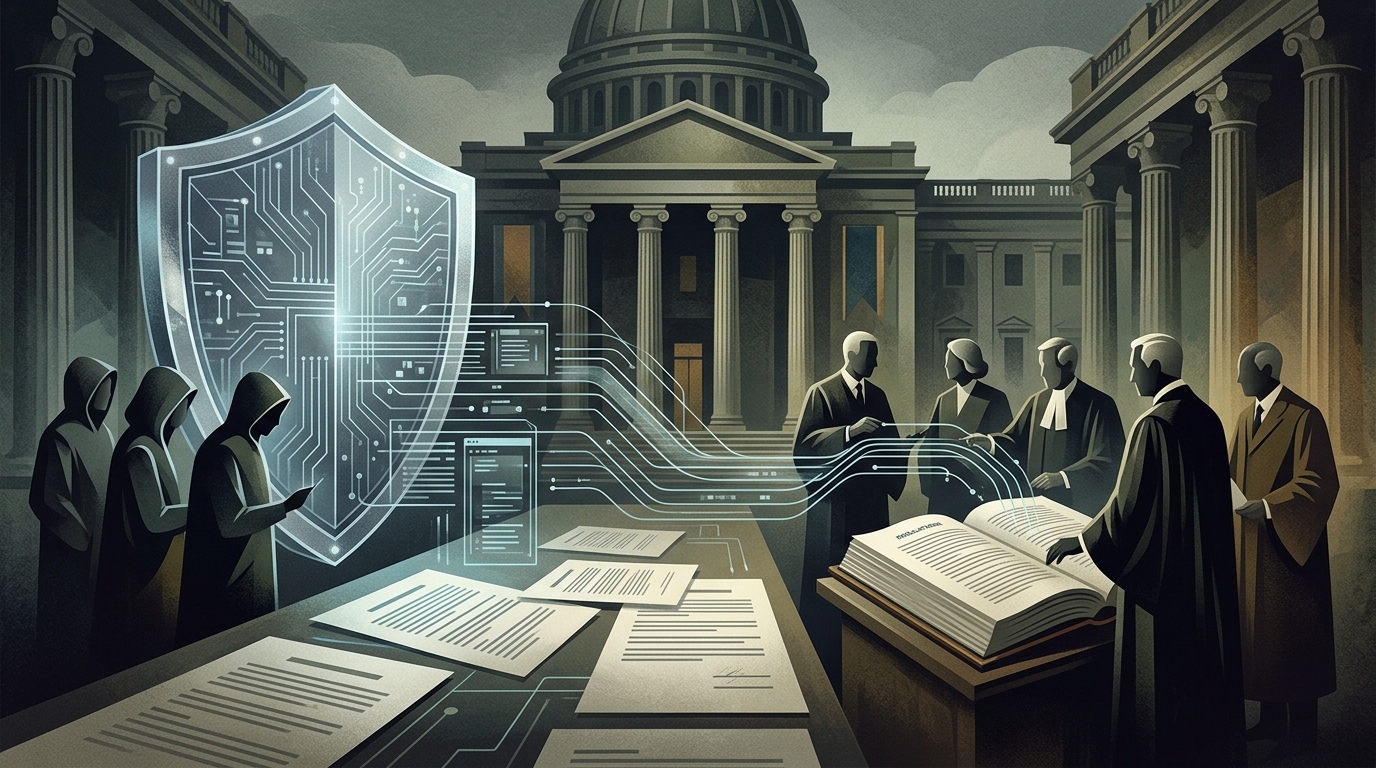
A central pillar of Apple's new strategy is the protection of Private Cloud Compute (PCC). Apple has promised that AI processing occurs either on-device or on specialized servers that never store data. However, the sheer complexity of this architecture creates new "friction points." The early updates are designed to reinforce encryption between the device and the cloud, ensuring that no third-party AI models can intercept data streams.
- Enhancing sandbox environments for AI model execution.
- Implementing stricter controls on APIs that allow AI to interact with personal files.
- Rapidly hardening the kernel against AI-generated exploits.
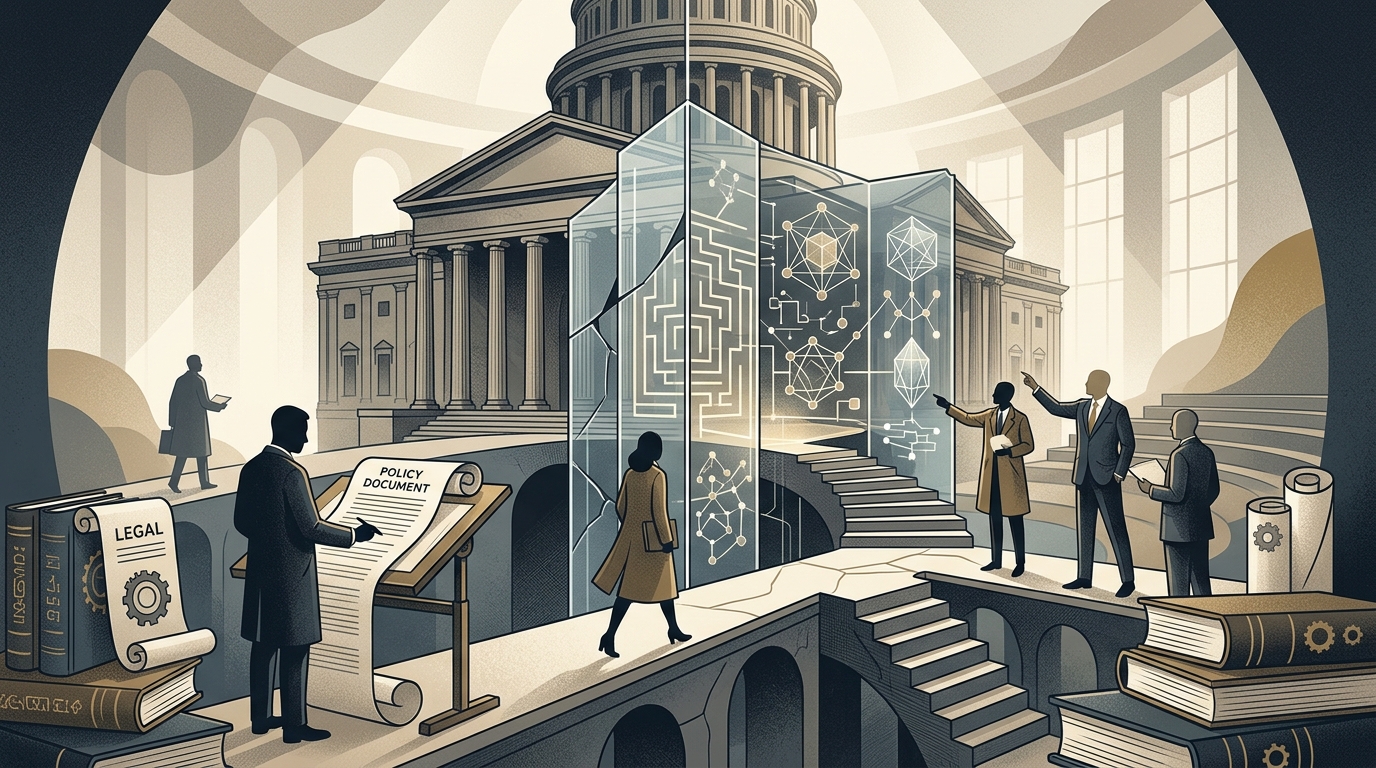
This move also reflects growing pressure from global regulators, particularly in the European Union. With the implementation of the AI Act, corporations now carry significant legal liability for the security of their systems. A potential data breach caused by an AI exploit could result in multi-billion dollar fines, not to mention irreparable damage to Apple's brand as a privacy-first company.
A New Era of Constant Vigilance
The decision to release updates early means users must adapt to a more aggressive patch model. The era of waiting for the next "major" iOS update to fix critical issues is over. Security will now be delivered in near real-time, often in the background, via Rapid Security Responses (RSR). While this ensures safety, it creates a challenge for user experience, as constant updates can lead to "update fatigue" among consumers.
"We are no longer chasing hackers; we are chasing their algorithms," noted a cybersecurity expert close to the industry.
In conclusion, Apple is not just adjusting its software; it is evolving its philosophy. In a world where AI can attack at the speed of light, defense must be equally instantaneous. This move likely sets a precedent for other tech giants like Google and Microsoft, who face similar existential threats. The battle for security in the age of AI has entered a new, more volatile, and significantly faster phase.