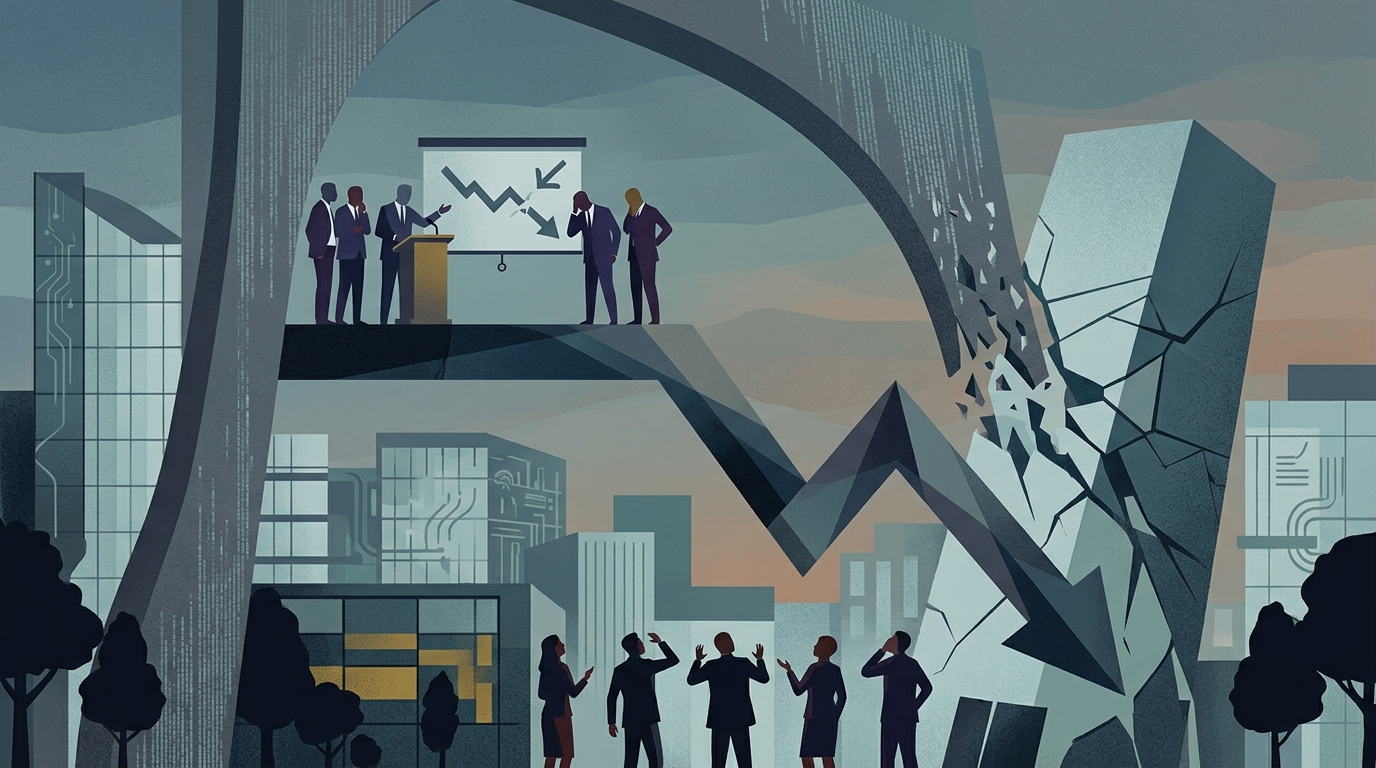
The news that Uber and Waymo have terminated their robotaxi partnership in Phoenix, Arizona, has sent shockwaves through the autonomous vehicle (AV) industry. After a period that seemed to herald a new era of synergy between ride-hailing platforms and AV developers, this decision highlights the deep strategic divergences now separating the two titans. Phoenix, once the premier testing ground for a driverless future, is transforming into a high-stakes battlefield of corporate interests.
Waymo’s Vertical Integration Gambit
Waymo, a subsidiary of Alphabet (Google), appears to be doubling down on a path of total autonomy—not just technologically, but operationally. The decision to pull its vehicles from the Uber platform in Phoenix suggests a pivot toward fortifying its own proprietary app, Waymo One. For Waymo, controlling the end-to-end customer experience is paramount. When a user hails a Waymo vehicle via Uber, Waymo loses a significant portion of the data, the commission, and, most crucially, the direct relationship with the consumer.
This move mirrors a broader trend in Silicon Valley: the drive for vertical integration. Much like Apple controls both the hardware and software of its devices, Waymo seeks to control both the "brain" of the car and the distribution network. Exiting the partnership in Phoenix, a market where Waymo has already established a strong brand presence and operational reliability, is a statement of confidence. The company no longer believes it needs Uber’s massive user base to fill its seats; it believes the seats will be filled by customers coming directly to them.
Uber’s Open Platform Strategy
On the other side of the divide, Uber, under the leadership of CEO Dara Khosrowshahi, has reinvented itself as a technology-agnostic platform. Since selling its own autonomous driving division (Advanced Technologies Group) in 2020, Uber has adopted a marketplace model designed to host various AV providers. While the termination of the Waymo deal in Phoenix is a setback, it does not leave Uber stranded. The company has already announced expanded partnerships with GM’s Cruise and the Chinese EV giant BYD, aiming to make its app the ultimate aggregator for all forms of mobility.
However, the loss of Waymo in Phoenix exposes a strategic vulnerability: Uber’s future is contingent upon whether the leaders in AV technology view the platform as a partner or a competitor. If Waymo successfully scales its operations across major U.S. cities via its own app, Uber risks being relegated to a provider of less advanced technologies or traditional human-driven services. The battle in Phoenix is, in essence, a battle for who will own the consumer’s gateway to the autonomous era.
Market Implications and the Consumer Experience
For Phoenix residents, this shift means fewer choices within a single interface. The convenience of comparing prices and wait times between a standard Uber and an autonomous Waymo on the same screen is now a thing of the past. This fragmentation of the market may lead to temporary consumer friction, but in the long run, it is expected to ignite a war of incentives and service improvements.
- Data Ownership: The friction over who owns the ride telemetry and user behavior data is the silent driver of this divorce.
- Regulatory Headwinds: This split occurs as U.S. federal regulators increase scrutiny of AV safety following several high-profile incidents.
- Path to Profitability: Waymo must now prove its unit economics can turn positive without the customer acquisition funnel provided by Uber.
"Autonomy is no longer a laboratory experiment; it is a cutthroat business reality where partnerships end where profit margins begin," says a leading industry analyst.
In conclusion, the end of the Uber-Waymo partnership in Phoenix is not the end of autonomous driving, but rather the beginning of its maturity. Companies are moving out of their shared spaces to build their own fortresses. The lingering question is whether the market is large enough to sustain multiple closed ecosystems, or if we are witnessing the first steps toward a new kind of platform monopoly.