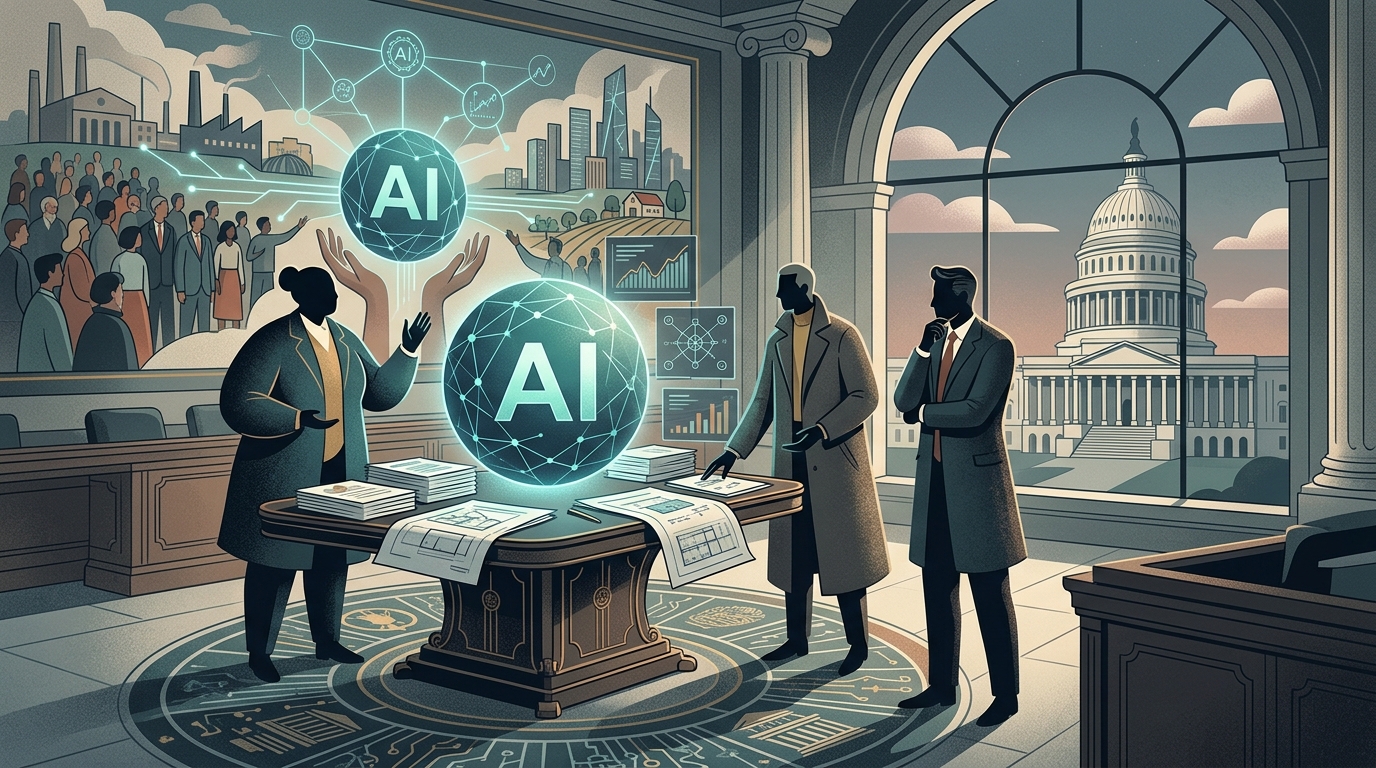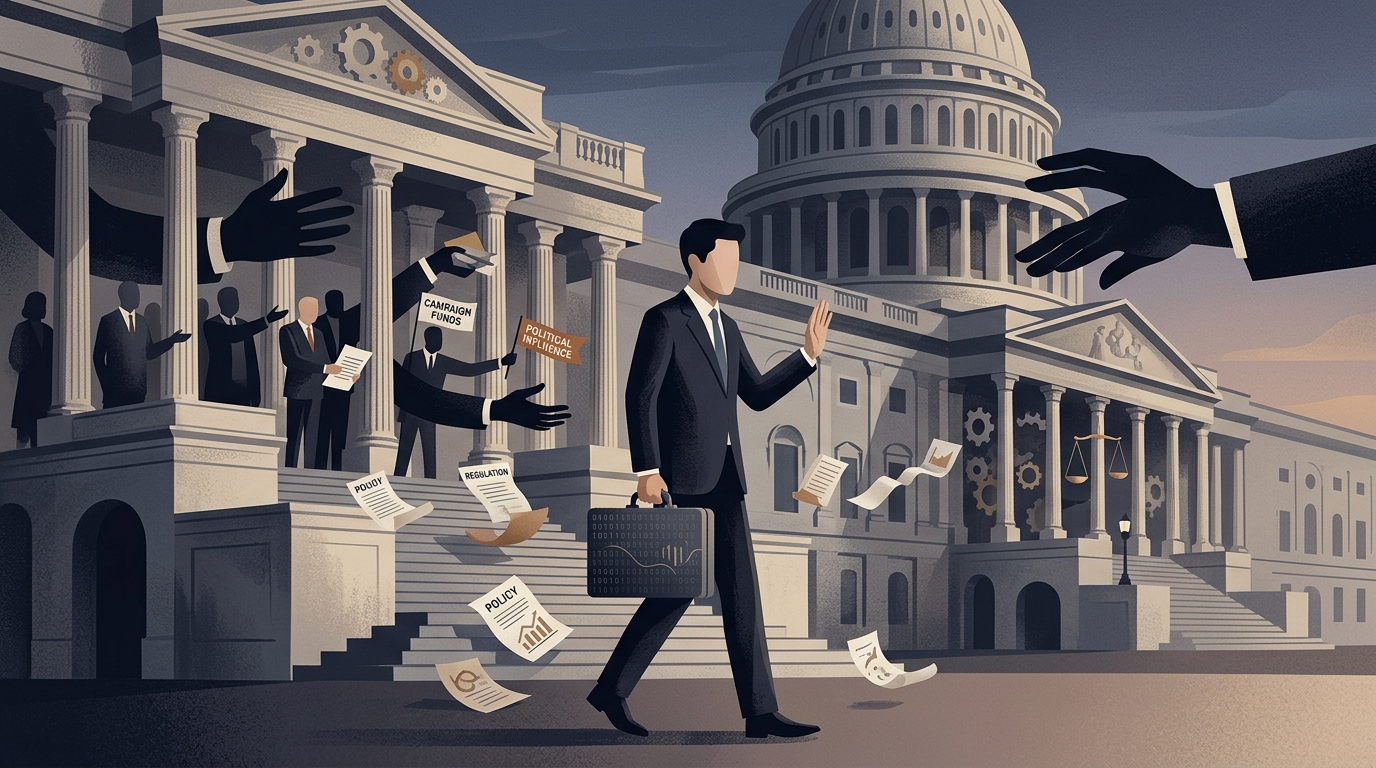
In the high-stakes world of international diplomacy, power has traditionally been measured by the size of arsenals, the depth of treasury coffers, and strategic positioning on the global map. However, as we move through 2026, a new variable has crashed the poker table of global dominance, upsetting the delicate balance between Washington and Tehran. Artificial Intelligence is no longer just a productivity tool; it is the ultimate wild card determining who holds the strongest hand.
The Shift from Oil to Data Hegemony
For decades, the friction between the United States and Iran was defined by energy markets and nuclear ambitions. Today, the Trump administration faces a challenge that transcends economic sanctions and conventional military threats. Tehran, despite years of isolation, has invested disproportionately in asymmetric digital power. By leveraging AI to orchestrate cyberattacks and disseminate sophisticated disinformation, Iran has become a player capable of rattling American domestic politics without firing a single kinetic shot.
The recent analysis by The New York Times underscores that AI acts as a "force multiplier." For a regime that feels cornered, the ability to automate social engineering on a global scale offers an escape hatch that traditional weaponry never could. On the flip side, Trump’s "America First" doctrine now leans heavily on the technological supremacy of Silicon Valley giants, giving rise to a new form of "digital nationalism" that seeks to fence off American data from adversarial influence.
Algorithms Instead of Diplomats
The core question emerging in 2026 is whether world leaders control the technology or if the technology dictates their next move. In the case of Iran, AI is being utilized to predict the movements of U.S. carrier strike groups in the Persian Gulf by analyzing real-time satellite imagery with precision that was science fiction just years ago. This erodes the element of surprise that the U.S. military has historically relied upon.
- Automated propaganda targeting specific U.S. voter demographics to influence policy.
- Cyber-retaliation executed by autonomous systems within milliseconds of a detected breach.
- The use of Deepfakes to manufacture diplomatic crises or simulate high-level defections.
These elements create an environment where human judgment often lags behind algorithmic action. President Trump, known for his instinctive and transactional approach to politics, is now forced to navigate a landscape where data patterns carry more weight than political rhetoric.
The Predictability Trap
One of the most fascinating aspects of modern conflict is what analysts call the "predictability trap." As both sides employ AI models to forecast their opponent’s behavior, they risk falling into a strategic stalemate. If Iran knows how Trump will react based on an AI analysis of his historical patterns, and the U.S. uses AI to counter that very prediction, then the randomness and human error—factors that historically led to both wars and unexpected peace—are replaced by a cold, computational logic.
"In the 21st century, sovereignty does not belong to those with the most guns, but to those with the best algorithms to direct them," the analysis notes.
In this context, Iran doesn't need to win a conventional war; it merely needs to make the cost of American intervention algorithmically prohibitive. AI allows smaller actors to "cheat" in the great power game, leveling the playing field in ways that 20th-century geopolitical theory could never have anticipated.
Conclusion: The Human Element in the Margins?
As we approach the latter half of the decade, the real battle is not being fought in the Strait of Hormuz, but in the server farms hosting Large Language Models and strategic decision-support systems. Trump, Iran, and AI form a triangle of instability. The challenge for the global community is to ensure that while algorithms may hold the cards, humans remain the ones to decide when the game is over. The risk is no longer just a nuclear flashpoint, but an algorithmic cascade that no human can stop once it begins.