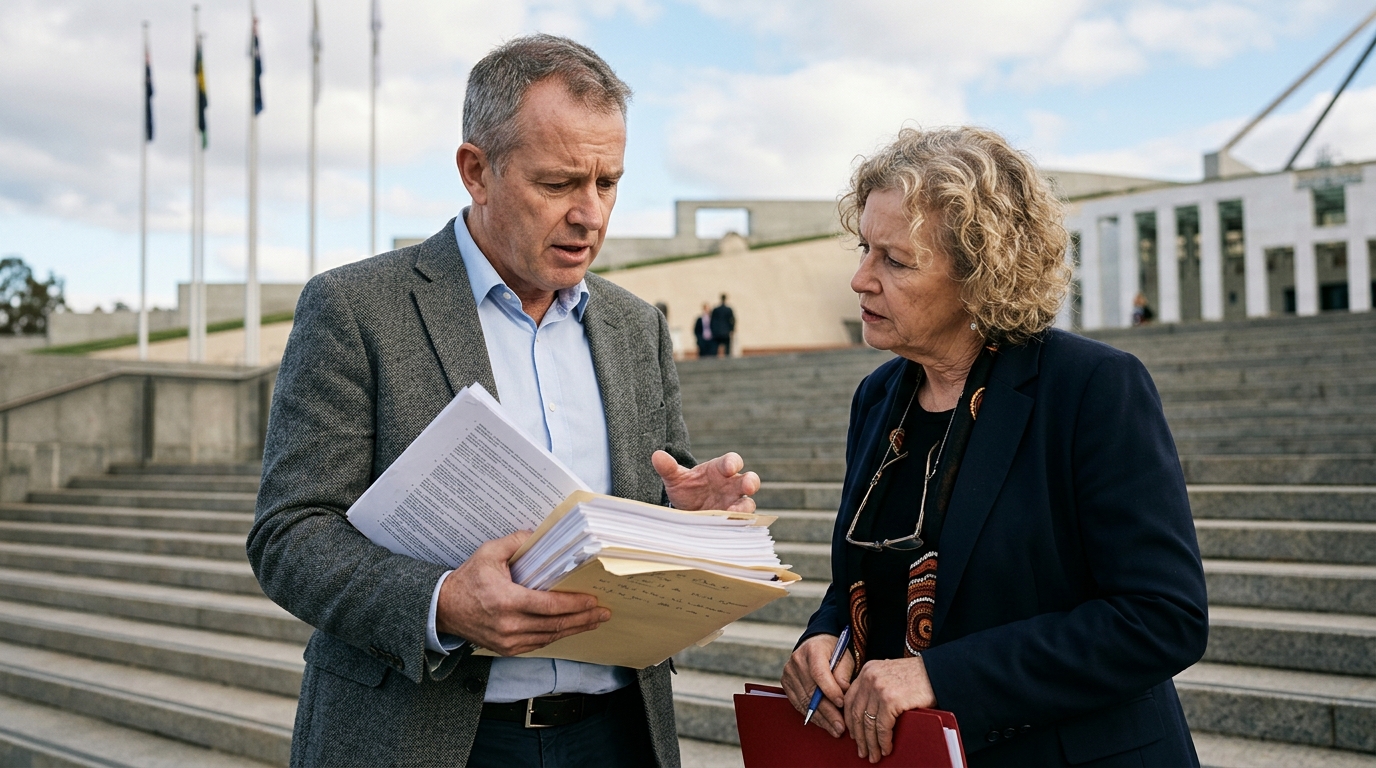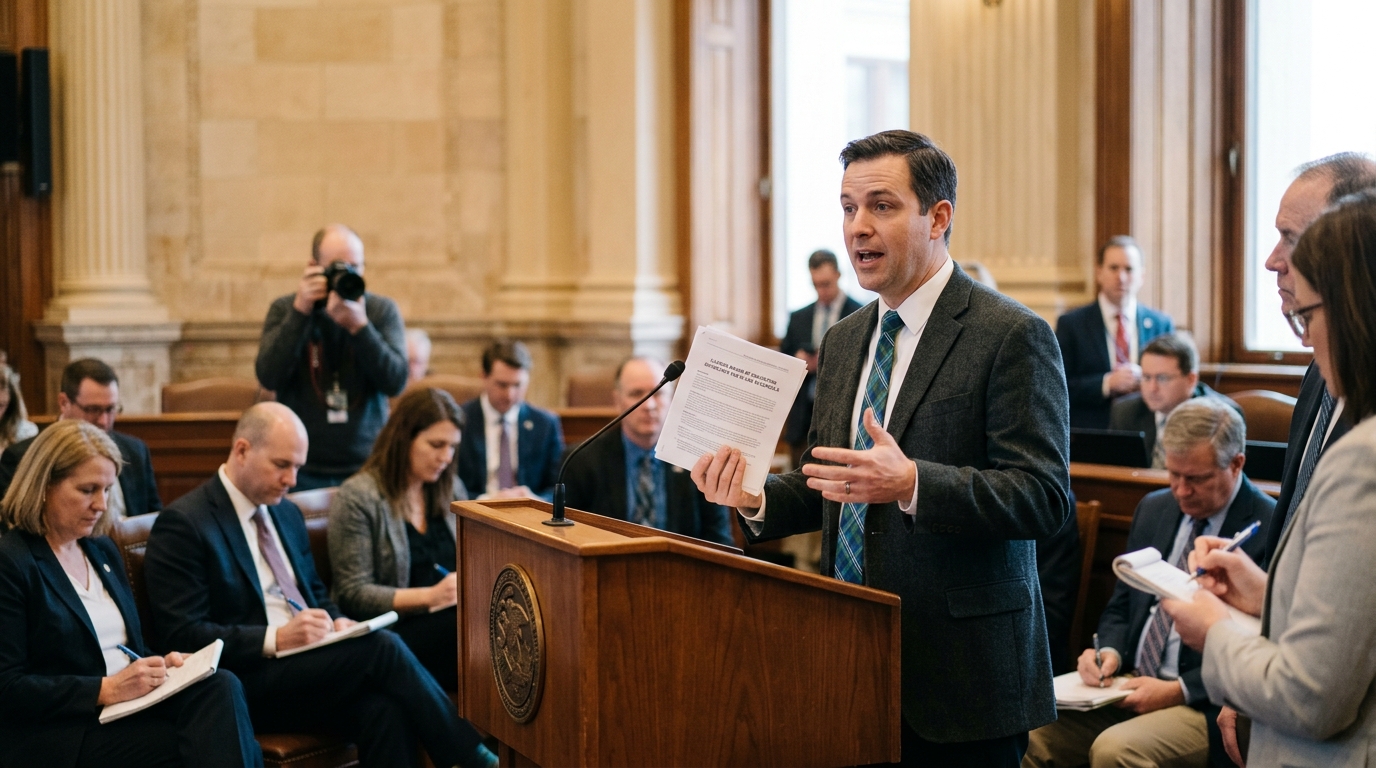
In a move that underscores the persistent fragility of global health security, the World Health Organization (WHO) has officially declared the recent surge of Ebola virus disease in the Democratic Republic of Congo (DRC) and Uganda a Public Health Emergency of International Concern (PHEIC). The decision, reached following an emergency session of the International Health Regulations Emergency Committee in Geneva, comes as cases show an alarming geographic spread, threatening to spill over sub-Saharan African borders.
The current outbreak, which originated several months ago in remote areas of eastern Congo, has now migrated to urban centers and neighboring countries, complicating containment efforts. Health authorities warn that the combination of ongoing armed conflict in the region and increased population mobility makes contact tracing exceptionally difficult. However, unlike previous outbreaks, 2026 finds humanity equipped with Artificial Intelligence tools that promise to be a game-changer in crisis management.
The Geopolitics of the Pandemic and the Challenge of Conflict
The situation in eastern DRC remains the primary obstacle. The presence of paramilitary groups and generalized insecurity prevent medical teams from reaching affected communities. The WHO’s PHEIC declaration is not merely a formality; it is a signal to the international community to unlock funding and mobilize political leverage to protect healthcare workers. Uganda, for its part, has implemented stringent border controls, utilizing thermal imaging and AI-driven biometric systems to monitor travelers from high-risk zones.
Analysts point out that the international response will test the resilience of the 'Pandemic Treaty,' which has been debated in international forums for years. The equitable distribution of vaccines remains the critical question. While effective vaccines like Ervebo exist, the logistics of a supply chain in a war zone require more than just charity; it requires diplomatic guarantees and logistical support that only a coordinated global effort can provide.
The Role of AI in Tracking and Prediction
The most significant differentiator in this crisis is the integration of advanced Artificial Intelligence models. For the first time, AI-driven epidemiological models are analyzing data from satellite imagery, mobile phone movement patterns, and social media activity to predict the next infection cluster with 85% accuracy. These systems allow authorities to prepare local hospitals and preposition supplies before the first case even arrives.
Furthermore, genomic sequencing of the virus is now being conducted in real-time via portable AI-supported devices. This enables scientists to immediately identify any mutations that could make the virus more transmissible or resistant to current vaccines. "AI provides us with the eyes we lacked in previous outbreaks," a WHO official stated. "We can now see the spread of the virus on a digital map before it manifests in physical reality."
Social Mistrust and the Information Battle
Despite technological progress, the human factor remains the most unpredictable variable. Misinformation and deep-seated mistrust of international organizations continue to fuel vaccine hesitancy. In the DRC, conspiracy theories spread via messaging apps undermine the efforts of doctors on the ground. Here, AI is also being deployed in reverse: Natural Language Processing (NLP) algorithms scan the web to identify the source of fake news and suggest targeted information campaigns in local dialects.
This crisis serves as a stark reminder that global health is indivisible. A failure to contain Ebola in Africa is not only a humanitarian tragedy but a direct threat to global stability. The declaration of a PHEIC is the international community's final chance to prove it has learned the lessons of the COVID-19 pandemic by investing in prevention and technology both ethically and effectively.