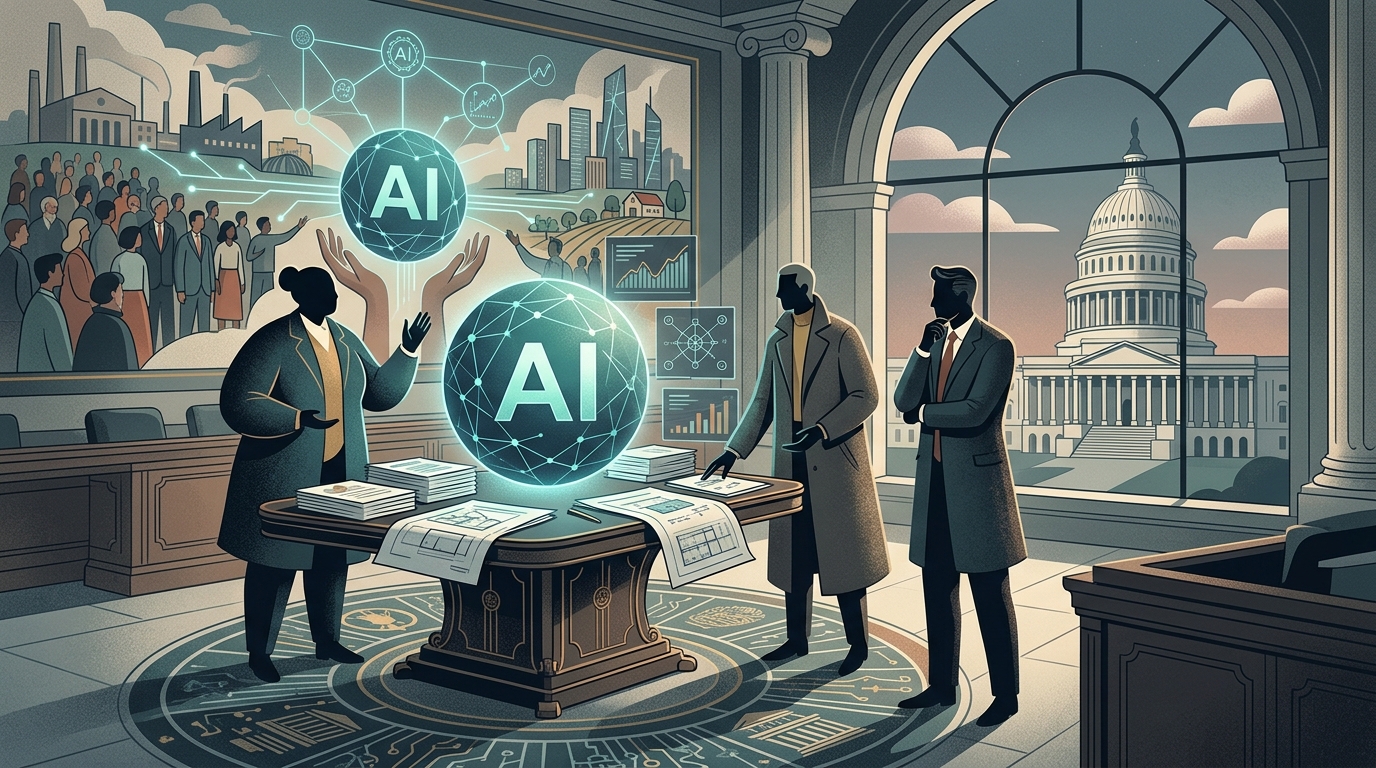
In the contemporary digital landscape, the adage that "if you aren't paying for the product, you are the product" has evolved into something far more lucrative and complex. As Artificial Intelligence (AI) transitions from a theoretical marvel to a multi-trillion-dollar industry, the scale of data exploitation has reached unprecedented levels. A recent report highlighted by The Independent reveals a staggering reality: UK internet users are unknowingly surrendering data worth up to £194,000 over their lifetimes to tech giants and AI developers.
This is not merely a budgetary concern or a niche privacy issue; it represents a fundamental shift in the global economy. As Large Language Models (LLMs) demand ever-increasing volumes of high-quality data to refine their capabilities, our collective digital footprint—ranging from mundane emails and social media interactions to complex search patterns—has become the primary fuel for the AI engine. Yet, unlike traditional commodities, the creators of this value (the users) remain largely uncompensated.
The Terms of Service Trap and the Consent Illusion
The mechanism facilitating this massive transfer of wealth is the ubiquitous "Terms and Conditions" agreement. These documents are notoriously designed to be unreadable for the average person. Research suggests that if a typical user were to actually read every privacy policy and service agreement they encounter, it would require hundreds of hours of dedicated labor each year. This "consent fatigue" is a feature, not a bug, of the digital economy, allowing firms to secure broad mandates to scrape, analyze, and monetize user data.
The £194,000 figure is derived from the potential market value of an individual's data if it were treated as a personal asset. Tech companies argue that the provision of "free" services—high-speed search engines, global communication platforms, and cloud storage—constitutes a fair trade. However, this argument ignores the massive information asymmetry: users have no way of knowing the true value of the data they are surrendering, while companies utilize sophisticated algorithms to extract maximum profit from every click.
AI as the Ultimate Data Extraction Engine
The rise of Generative AI has acted as a catalyst for this extraction. Models like GPT-4, Claude, or Gemini are built upon the cumulative knowledge and creative output of humanity available online. The controversy lies in the fact that much of this data is harvested without explicit permission for AI training, a practice often shielded by "fair use" claims in various jurisdictions.
- Intellectual Property Erosion: Content creators find their work used to train models that may eventually automate their own professions.
- Privacy De-anonymization: Even when data is ostensibly anonymized, AI's ability to cross-reference datasets can lead to the re-identification of individuals.
- Market Monopolization: The barrier to entry for AI is no longer just code, but the sheer volume of data, favoring incumbents who have spent decades harvesting user information.
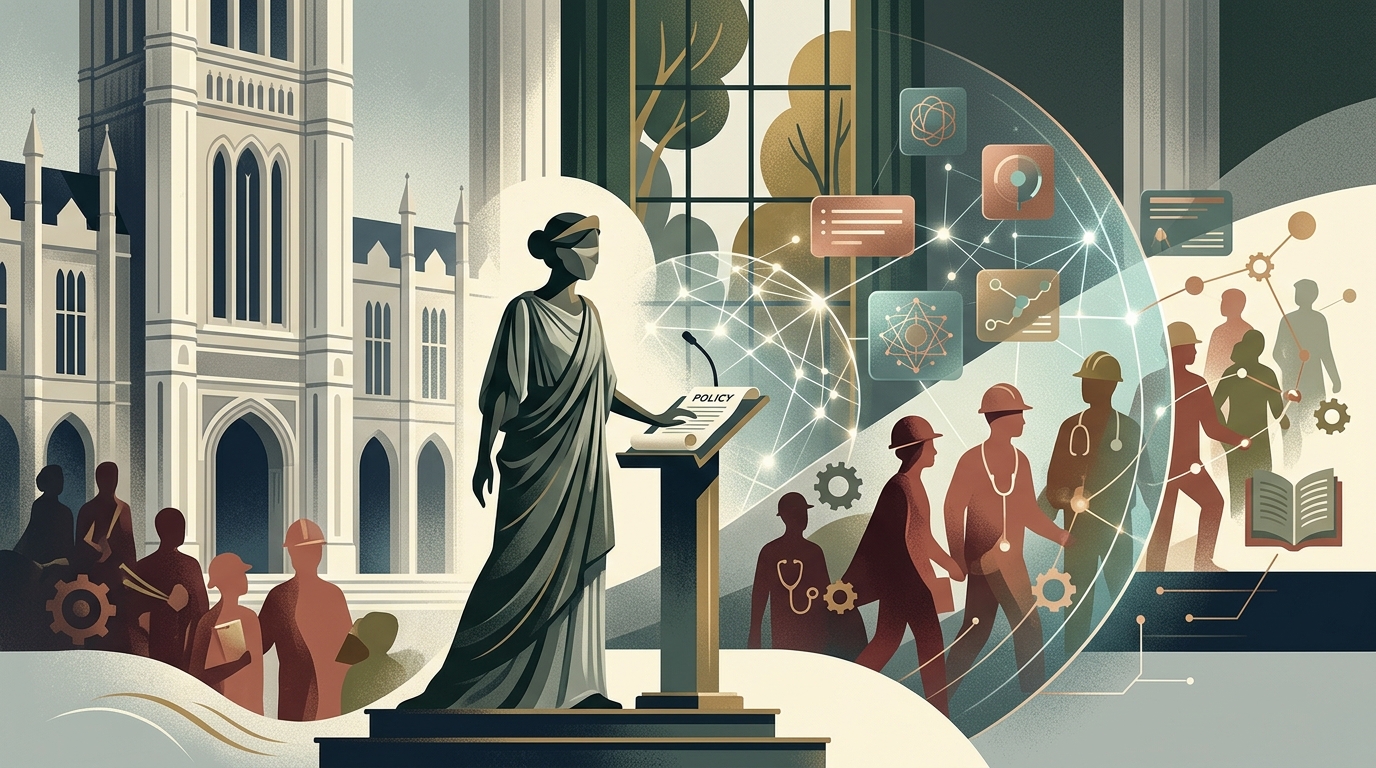
Policy Implications: Towards Data Dignity
In the UK, the post-Brexit regulatory environment offers a unique opportunity to lead on "Data Dignity." While the government aims to position the country as a global hub for AI safety, there is growing legislative pressure to address the economic imbalance. Proponents of "data dividends" suggest that companies should be required to pay into a national fund or provide direct micro-payments to users whose data fuels their profits.
"We are no longer the customers of Big Tech, nor even the product. We are the raw material for the next industrial revolution," the report notes.
The path forward requires a delicate balance. Over-regulation could stifle the very innovation that promises to solve complex global challenges. Conversely, allowing the current trajectory to continue risks solidifying a form of "digital feudalism," where a handful of corporations own the algorithmic means of production while the global populace provides the labor and data for free. Establishing transparency and a new social contract for the digital age is no longer optional—it is a prerequisite for a fair society.