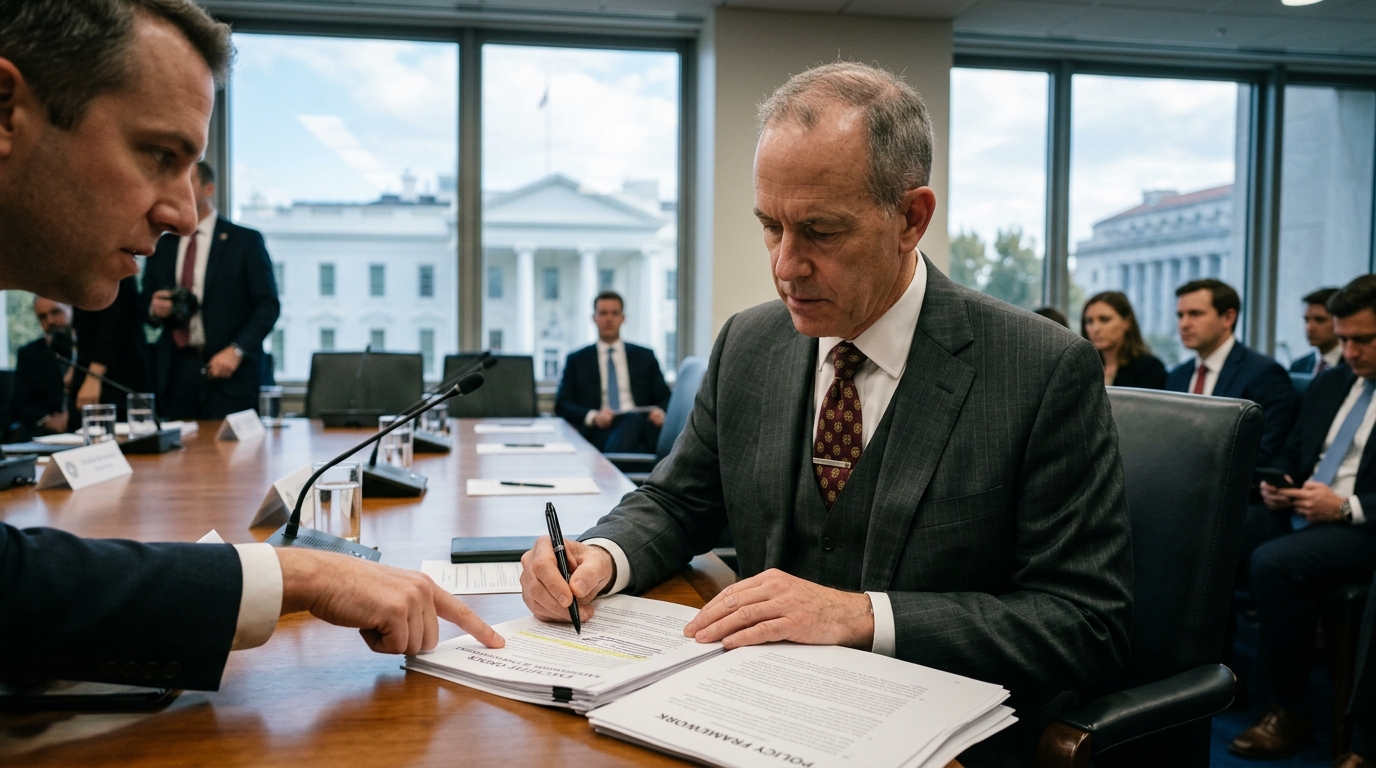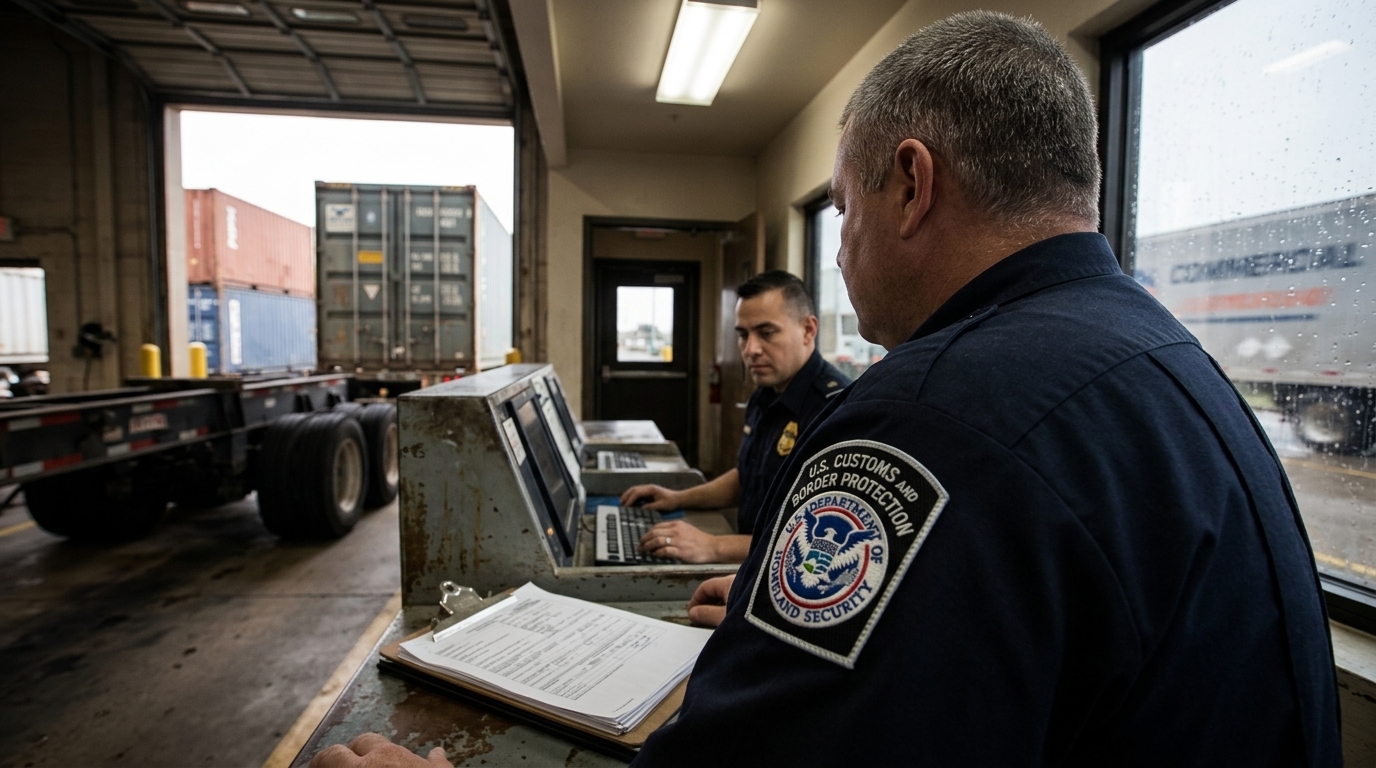
A historic pivot in American trade policy unfolds this Monday as the U.S. Customs and Border Protection (CBP) officially opens its dedicated online portal. Thousands of importers and customs brokers are poised to file claims for refunds on tariffs imposed during the Trump administration, which have been definitively ruled unconstitutional by federal courts. This development is far more than a bureaucratic milestone; it represents a massive economic correction intended to funnel billions of dollars back into the private sector, albeit with a significant time lag.
The Legal Vindication and Constitutional Integrity
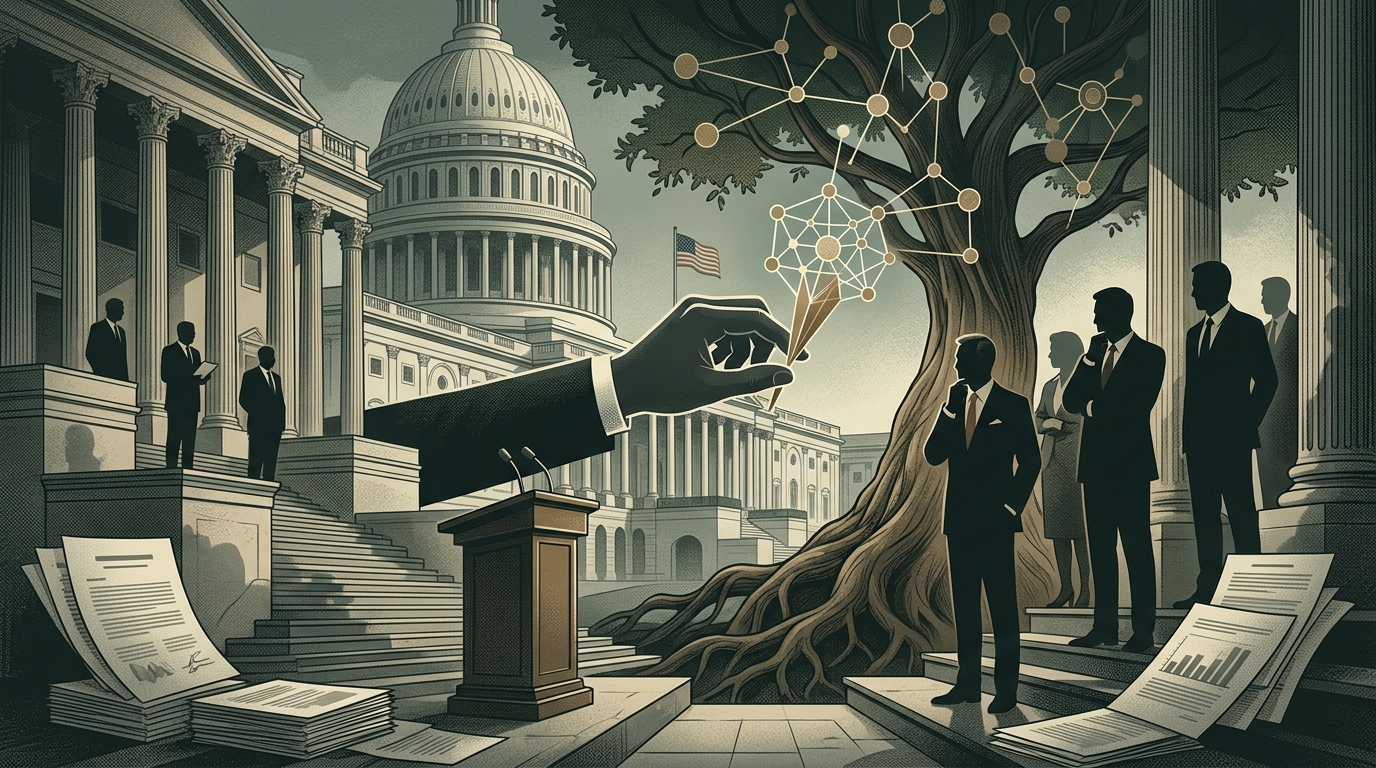
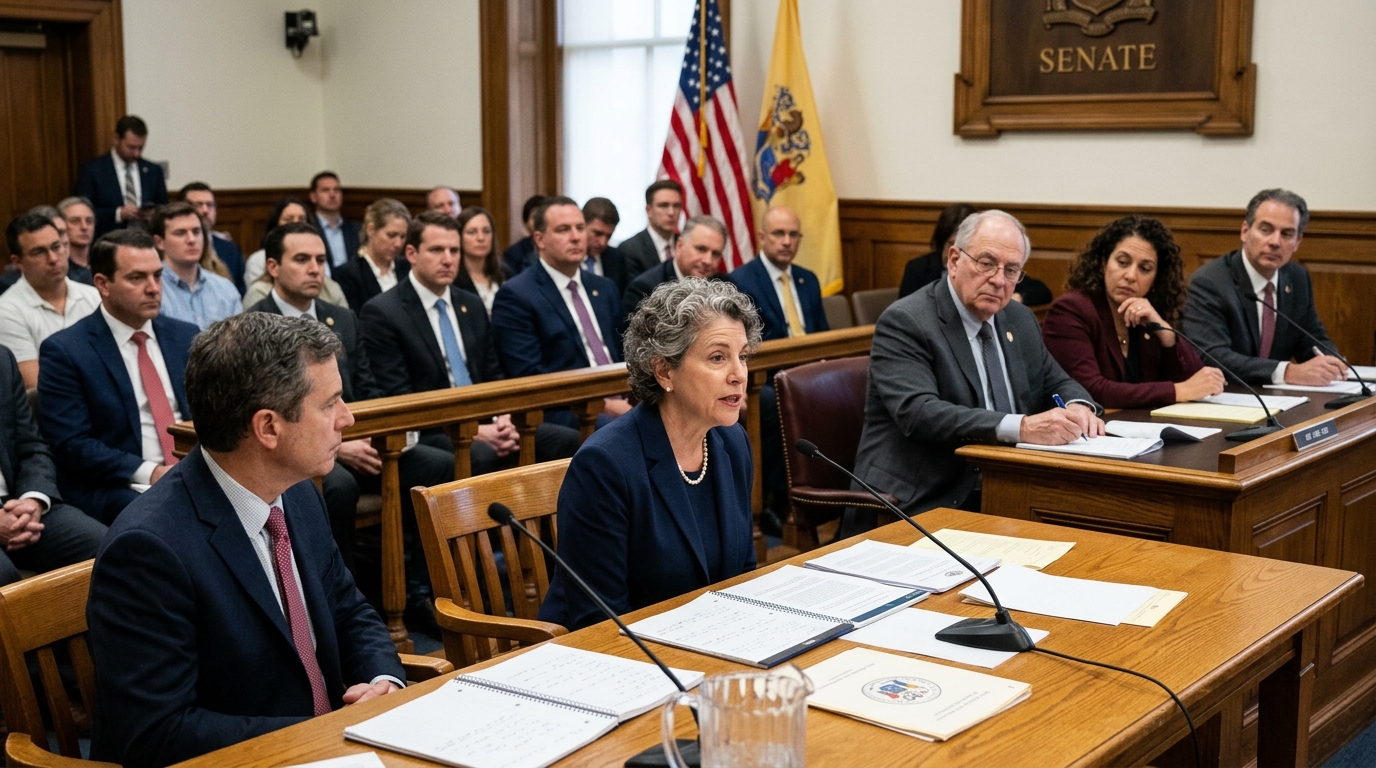
The core of the dispute lies in the expansive use of Section 232 and Section 301 of the Trade Expansion Act. The previous administration utilized these provisions to impose sweeping tariffs on steel, aluminum, and a vast array of Chinese goods. Federal courts eventually concluded that the executive branch overstepped its bounds, infringing upon Congress’s exclusive authority to regulate international commerce and levy taxes. This ruling is hailed as a victory for the rule of law, restoring the delicate balance of powers in Washington.
Affected businesses—ranging from small-scale manufacturers to automotive giants—argued for years that these tariffs functioned as an indirect and unjust tax on American consumers and producers. The judicial ruling confirms that national security—the pretext used for many of these levies—cannot serve as a blank check to bypass constitutional protocols. The systematic dismantling of these trade barriers through the courts marks an end to an era of 'trade by decree.'
The Refund Process: Technicalities and Hurdles
Despite the portal's launch, the return of funds will not be instantaneous. The CBP has stated that applicants should expect a 60-to-90-day window for processing and disbursement. Opening at 8 a.m., the portal is expected to face unprecedented traffic. Customs brokers are the unsung heroes of this phase, as the required documentation is painstakingly detailed: every entry must be accurately identified, proof of payment provided, and linked to the specific court mandate.
- Precise entry numbers and dates are mandatory for all claims.
- Businesses must ensure active bank accounts are linked to the Automated Commercial Environment (ACE) system.
- Priority will likely be given to claims involving older entries where duties were paid under protest.
The three-month waiting period adds a layer of frustration for companies already grappling with liquidity issues caused by inflation and high interest rates. However, for many, this liquidity injection, however delayed, could mean the difference between expansion and insolvency.
Economic Ripples and the Road Ahead
The repatriation of these funds is expected to have a multiplier effect. Analysts suggest that the influx of cash will allow businesses to resume frozen capital investments, hire new staff, or lower prices on finished goods, offering slight relief to the end consumer. Conversely, the federal deficit will take a fresh hit, as revenues that were already budgeted and spent by the government must now be clawed back and returned to the private sector.
"This isn't just about the money; it's about restoring faith in the trade system," says a senior official at the Chamber of Commerce. "Businesses require predictability, not sudden shocks based on questionable legal interpretations."
In the long run, this case serves as a stern warning to future administrations. The weaponization of trade for political leverage, when lacking a solid legal foundation, ultimately costs the public treasury and damages international standing. As the U.S. attempts to redefine its role in the global market, the lesson of the 'unconstitutional tariffs' will stand as a reminder that the rules of the game apply to everyone, including the occupant of the Oval Office.