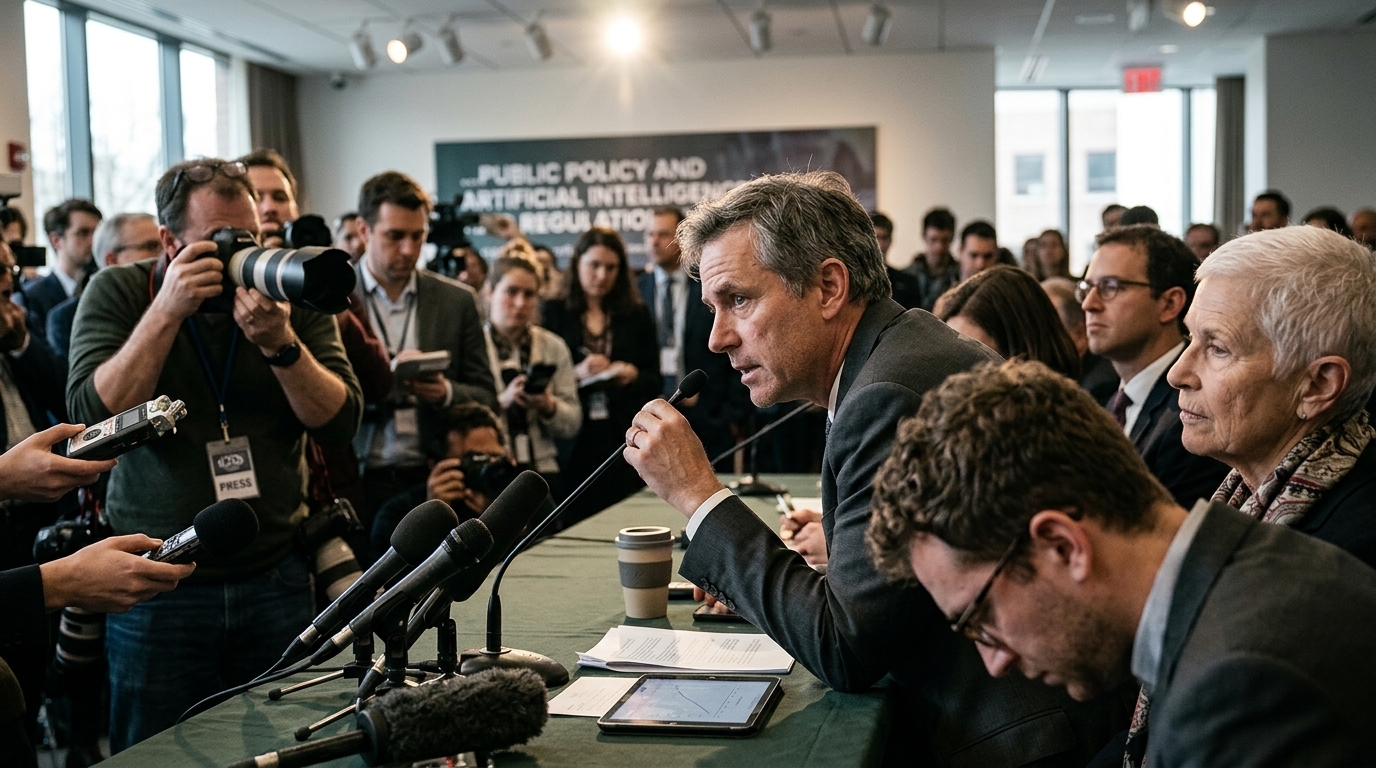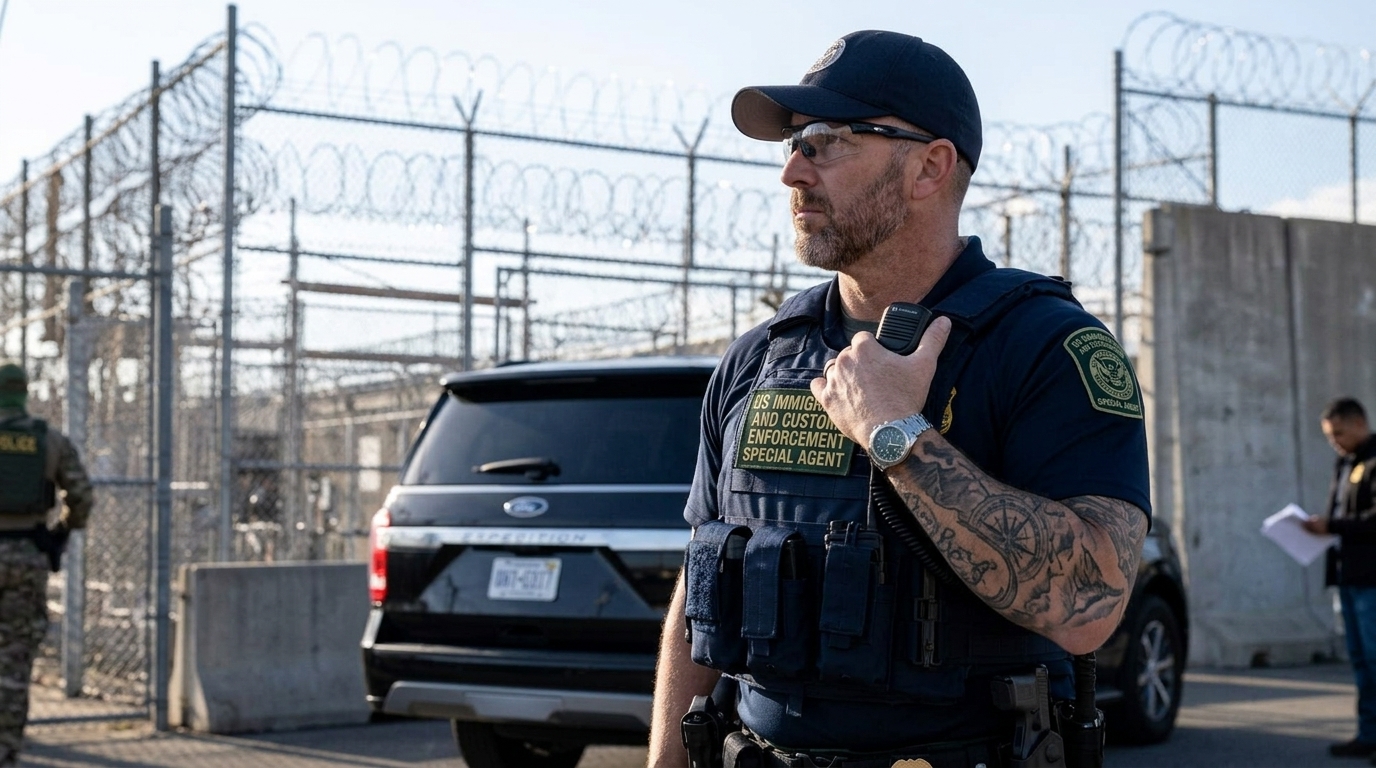
In a move that underscores his administration's commitment to an uncompromising stance on immigration, President Donald Trump has announced his intention to nominate Lance Shroyer as the next Director of U.S. Immigration and Customs Enforcement (ICE). This choice is far from coincidental; Shroyer is regarded as a seasoned operational figure with profound knowledge of border enforcement mechanisms, having served for decades in various leadership roles within the homeland security apparatus.
The announcement, made through official White House channels on Saturday, comes at a time when American public opinion remains deeply polarized over border management. Shroyer, if confirmed by the Senate, will be tasked with executing what Trump has described as "the largest deportation operation in the history of our country." His mission will be not only administrative but primarily operational, as ICE serves as the spearhead for identifying, detaining, and removing individuals unlawfully present on U.S. soil.
Lance Shroyer’s Profile and Operational Philosophy
Lance Shroyer is no stranger to the corridors of power in Washington. With a career spanning over three decades, he has served as a Border Patrol official and led significant operations against human and drug trafficking. His supporters describe him as a "man of duty" who is undeterred by political pressure, while his critics express grave concerns over whether his approach will respect human rights and international refugee conventions.
Shroyer’s selection aligns perfectly with the presence of other hardline figures in the Trump administration, such as Tom Homan, who has taken on the role of "Border Czar." The collaboration between the two men is expected to be seamless, aimed at reorganizing ICE to operate with greater speed and efficiency. According to sources close to the White House, Shroyer has already drafted plans to increase detention center capacity and utilize advanced technology, such as artificial intelligence and surveillance drones, to monitor movements at the border and within the interior.
The Mass Deportation Strategy and Its Challenges
The primary challenge Shroyer will face is the logistical infrastructure required for mass deportations. ICE currently possesses limited resources compared to the volume of individuals the administration wishes to remove. This means the new director will have to secure additional funding from Congress, a process expected to be contentious given the fierce opposition from Democrats.
Furthermore, the legal dimension of the issue is extraordinarily complex. Human rights organizations have already warned that they will seek judicial intervention to block any actions that violate due process. Shroyer will have to balance the President's demand for immediate results with the constraints imposed by the judicial system. Already, "sanctuary cities" like New York and Chicago have declared they will not cooperate with ICE, forcing Shroyer to deploy federal agents into environments that are openly hostile to the central administration.
Social and Geopolitical Implications
Beyond the domestic front, Shroyer’s nomination sends a clear signal to U.S. international partners, particularly Mexico and Central American nations. Washington appears to be adopting a "zero tolerance" tactic, which will exert pressure on neighboring countries to contain migratory flows before they reach U.S. borders. The use of deportations as a deterrent is a central element of Trump’s strategy, and Shroyer is seen as the ideal person to communicate and implement it.
At the social level, fear within immigrant communities is palpable. The possibility of raids in workplaces and neighborhoods creates a climate of insecurity that affects not only undocumented immigrants but also their families, many of which include U.S. citizens. Economic analysts also warn of potential labor shortages in critical sectors such as agriculture and construction if deportations are carried out on the scale currently being promised.
In conclusion, the nomination of Lance Shroyer to lead ICE is a statement of strength by Donald Trump. It is a move that sets the stage for a frontal collision with his ideological and political opponents, with the very identity and structure of American society at stake. The coming months will reveal whether Shroyer can transform political rhetoric into a workable and sustainable state policy.