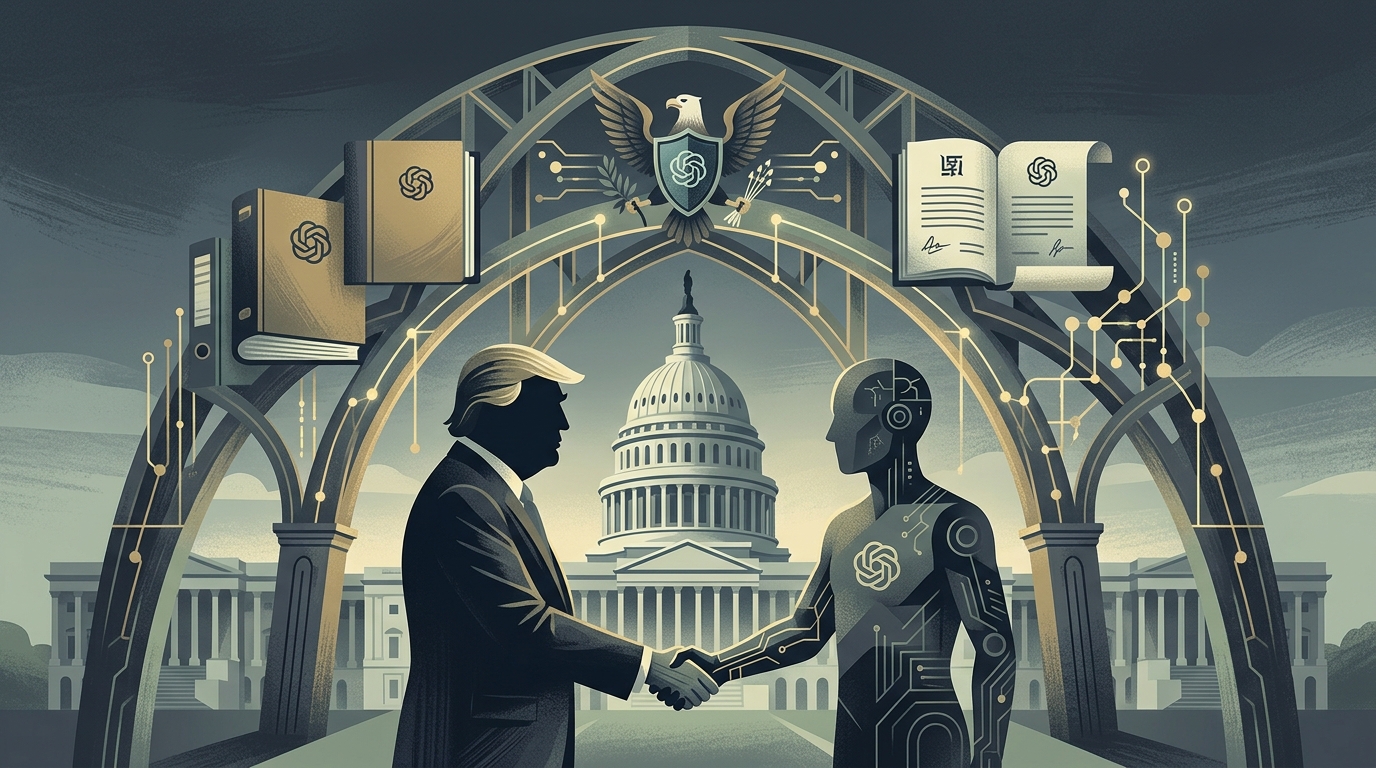
In a move poised to fundamentally reshape the landscape of technological development in the United States, President Donald Trump signed a new executive order on Tuesday establishing a "voluntary framework" for artificial intelligence companies. The order calls on Silicon Valley giants to share their "frontier models" with the federal government before public release, with the official goal of enhancing cybersecurity and protecting the nation's critical infrastructure.
This move comes at a time when Washington is attempting to balance the promotion of innovation with the need for oversight of a technology that many consider as transformative—and potentially dangerous—as nuclear energy. Although the term "voluntary" is used extensively throughout the text, analysts point out that the pressure on companies to comply will be immense, given their reliance on federal contracts and the need for a favorable regulatory environment.
The Pivot from 'Safety' to 'National Power'
Trump’s executive order marks a clear departure from the approach of the previous Biden administration. While the prior framework focused heavily on "AI safety" through the lens of discrimination, bias, and social impact, the new direction is explicitly geopolitical. The focus has shifted to cybersecurity, preventing the use of AI for biological weapons development, and, crucially, ensuring that the U.S. remains the dominant power in the global competition with China.
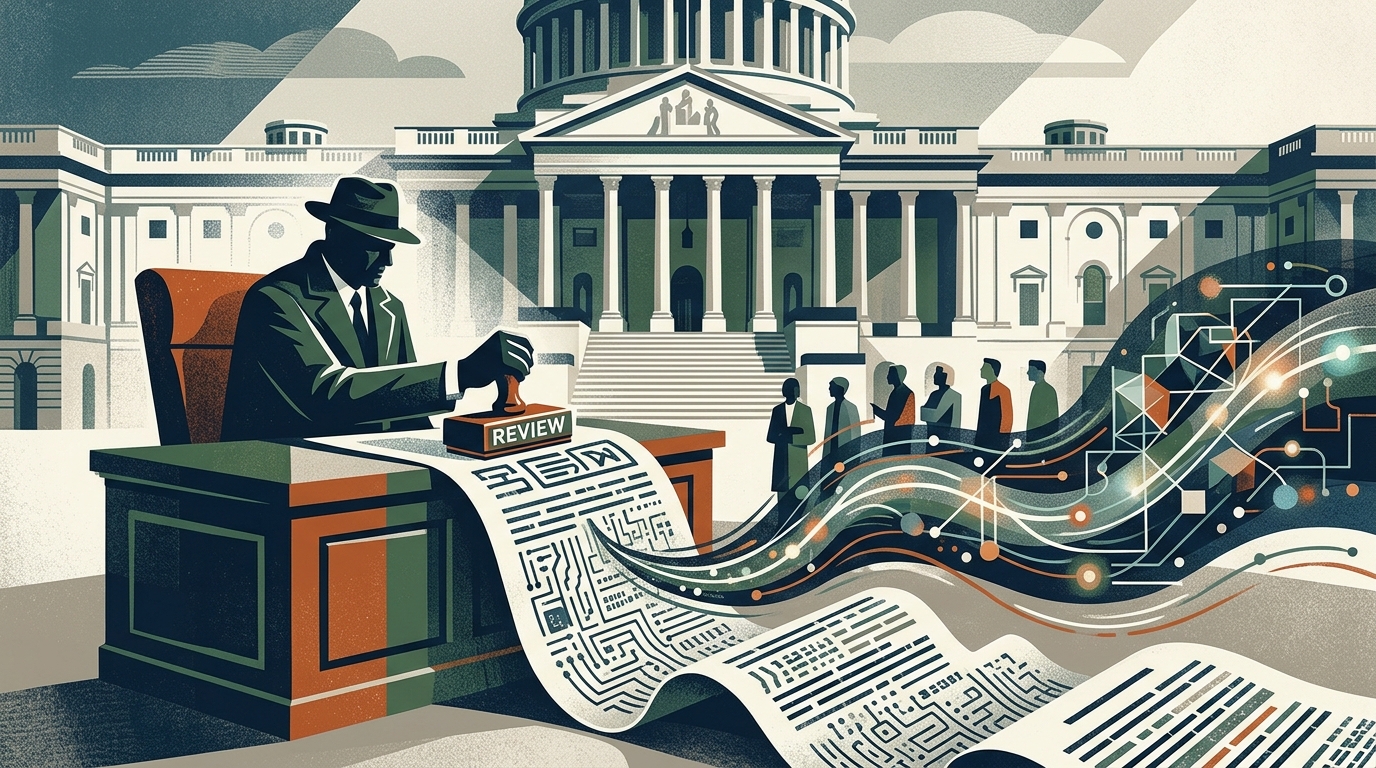
According to the text of the order, the administration seeks to ensure that new models do not provide "strategic advantages to foreign adversaries." This means that oversight will not just concern what the AI "says," but what it "can do" in terms of code generation, network penetration, and the analysis of data related to national defense. The creation of an "evaluation hub" overseen by the Department of Commerce and the Department of Defense suggests a militarization of tech oversight.
Voluntarism or Forced Compliance?
The big question looming over Silicon Valley is whether this framework is truly voluntary. The order states that companies are "encouraged" to submit their models for safety testing prior to launch. However, the government possesses powerful tools of persuasion. Major AI firms like OpenAI, Google, and Anthropic are vying for billions of dollars in government subsidies and contracts to provide services to federal agencies.
Furthermore, the order links access to computing power (compute) with compliance with the review framework. In a world where Nvidia’s GPUs are the "new oil," the government can use export controls and domestic regulations to enforce its will. Critics argue that this could lead to a form of "regulatory capture" or state-led innovation, where only companies that cooperate closely with the government are given the green light to advance.
Implications for Global Markets and Innovation
The market reaction has been cautious but uneasy. On one hand, regulatory clarity is always welcomed by investors. On the other, the potential for delays in product launches due to government reviews could harm the competitiveness of American firms. Trump, however, maintains that this process will make American AI "the most trusted and secure in the world."
There is also the dimension of open-source innovation. The order appears to target the "closed" models of large corporations but leaves gray areas for the open-source community. If the review requirements become too stringent, there is a risk that independent researchers will move their operations outside the U.S. to jurisdictions with fewer restrictions, such as parts of Europe or Southeast Asia.
Ultimately, the 2026 executive order is a statement of intent: artificial intelligence is no longer just a commercial product, but a critical component of national sovereignty. The era of unchecked growth in Silicon Valley seems to be giving way to a new era of "managed innovation," where the line between the private sector and national security becomes increasingly blurred.