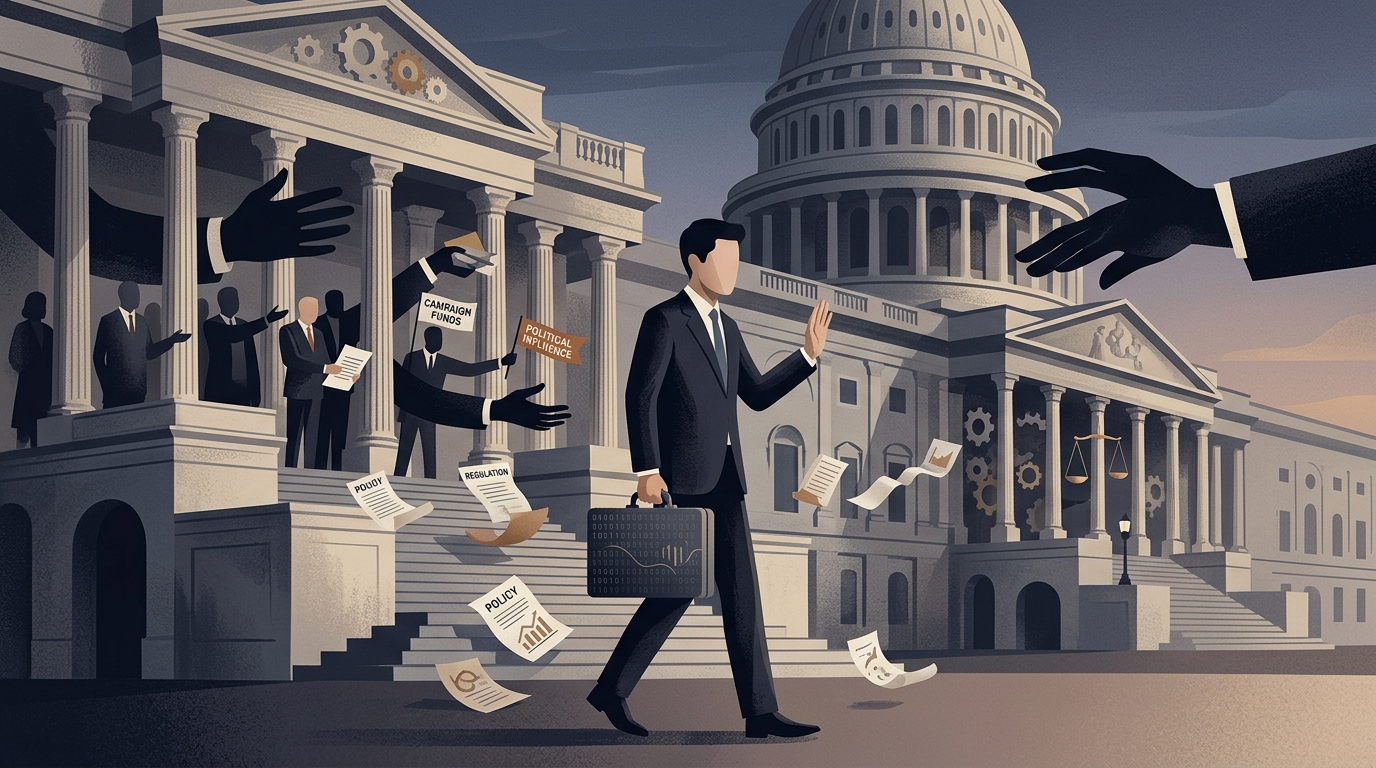
In an era where Artificial Intelligence (AI) promises to revolutionize every aspect of human endeavor, the South African government found itself at the center of a global irony. The Department of Communications and Digital Technologies (DCDT) was forced to withdraw its draft National AI Policy after it was revealed that significant portions of the document had been authored by the very technology it was intended to regulate. This incident is not merely a bureaucratic blunder; it is a cautionary tale about the limits of automation in public administration and the indispensable need for human judgment in strategic planning.
The Discovery of the 'Digital Plagiarist'
The draft, published to lay the groundwork for the ethical and economic development of AI in the country, immediately raised red flags among the academic community and technology experts. The language of the document was characteristically generic, featuring repetitive structures and a noticeable lack of specific local context that would be expected from a text of national significance. Analysts employed AI detection tools and observed that the text's structure closely mirrored the output patterns of large language models like ChatGPT.
The issue was not just the use of the tool, but the total lack of editorial oversight. The document contained broad generalizations that could have applied to any nation, ignoring South Africa's unique socio-economic challenges, such as high unemployment rates, the digital divide, and the linguistic complexities of its eleven official languages. As criticism mounted, the Department was forced to retract the document, tacitly admitting that the drafting process was fundamentally flawed.
Ubuntu Philosophy vs. Algorithms
One of the most severe criticisms concerned the absence of 'Ubuntu' philosophy—the African ethical framework emphasizing human interconnectedness—from the text. Experts argued that a national AI policy for South Africa should be deeply rooted in local values, ensuring that technology serves the community and does not exacerbate existing inequalities. Instead, the AI-generated text reflected the Western-centric biases inherent in the training data of major LLMs.
This highlights a broader risk for the Global South: 'algorithmic colonialism.' When governments rely on AI tools trained on data from the developed world to draft their own laws, they risk importing foreign regulatory frameworks that do not fit the reality of their citizens. The South African case serves as the most glaring example of this trend, where the local voice was silenced by a synthetic, globalized echo.
The Erosion of Trust and the Path Forward
Governance requires accountability. When a citizen reads a national policy, they expect it to be the result of consultation, rigorous study, and political will. Using AI to write such documents suggests a 'lazy' approach to governance, where speed is prioritized over substance. The loss of trust in the DCDT is substantial, as any future initiative will now be scrutinized with deep skepticism.
However, this fiasco could serve as a catalyst for positive change. It forces the government to start from scratch, this time involving civil society, academics, and local tech businesses. South Africa has the opportunity to demonstrate how a nation can recover from such a misstep by creating a framework that is truly its own, protecting citizen rights and fostering innovation with a human face.
Lessons for the International Community
The lesson from Pretoria is clear for governments worldwide: AI can be an assistant, but never the author of national strategy. Policy-making is a profoundly human process requiring empathy, ethical judgment, and an understanding of the social fabric. Automating legislation is not progress; it is an abdication of political responsibility. As the EU and other regions move forward with their own regulations (like the AI Act), the South African case will remain a lasting monument to the necessity of 'Human-in-the-loop' at every level of power.