The digital age, despite its undeniable opportunities, has turned the virtual world into a 'wild landscape' for the most vulnerable users: children. Greece, recognizing the protection gap left by fragmented legislation, is taking a bold initiative at the European level. The goal is not just to tighten national rules but to shape a unified European framework that compels tech giants to take responsibility.
The Greek Proposal: From Theory to Policy Action
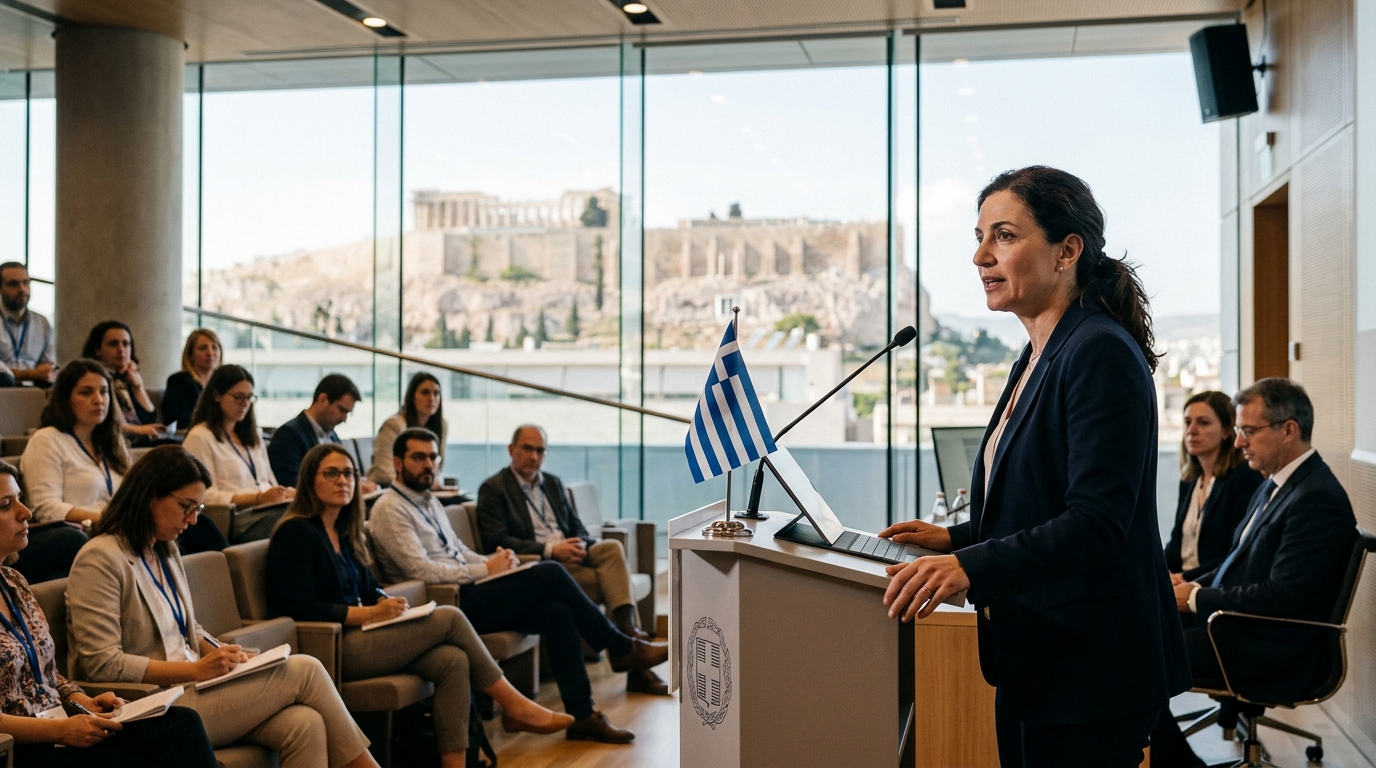
The Greek government, under the leadership of Prime Minister Kyriakos Mitsotakis, has placed the issue of adolescent mental health and social media exposure at the top of its agenda. The establishment of the Special Committee for the Protection of Minors in the Digital Environment marks the first step. This committee does not limit itself to observations but processes specific proposals regarding age verification and the limitation of addictive algorithms.
According to government sources, Greece proposes the use of advanced technological solutions, such as digital IDs, for strict user identification on platforms. "We cannot allow ten-year-olds to falsely claim they are eighteen to access content that is inappropriate for them," Ministry of Digital Governance officials noted. The Greek side seeks to move this discussion to Brussels, arguing that an isolated national ban would be ineffective in a globalized digital space.
The European Context and the Need for 'DSA+'
Although the European Union's Digital Services Act (DSA) is a significant step, many analysts believe it is not enough to address the specific challenges facing minors. Greece, along with France and other southern European countries, is pushing for an enhanced version of the rules, which some call a 'DSA for kids'.
- Algorithmic Transparency: An obligation for companies to reveal how reward mechanisms (likes, endless scroll) targeting minors operate.
- Data Protection: An absolute ban on profiling for advertising purposes when the user is under 16.
- Interoperability of Control Tools: Common parental control tools that function horizontally across all platforms.
The challenge remains the balance between protection and privacy. Critics of strict identification measures worry about the creation of a mass surveillance infrastructure. However, the Greek proposal focuses on privacy-preserving technologies (Zero-Knowledge Proofs) that confirm only the age group without revealing the user's identity.
International Experience and the 'Australian Model'
The Greek initiative draws inspiration from international examples, such as Australia's recent decision to set 16 as the minimum age for social media use. While Europe has traditionally followed a more liberal approach, the growing concern over the 'epidemic' of mental health issues among youth is changing the landscape. France has already legislated a 'digital majority' at age 15, requiring parental consent for younger users.
"Protecting our children online is not a matter of censorship; it is a matter of public health," the Greek Prime Minister stated recently, highlighting the gravity of the issue.
Greece aims to act as a bridge between different approaches within the EU, promoting a solution that is technically feasible and legally fortified against challenges from Big Tech companies. The stakes are high: shaping a digital future where innovation does not sacrifice the psycho-emotional development of the next generation.
Conclusion: A Long Road Ahead
The path toward a common European framework will not be easy. Tech giants have powerful lobbies in Brussels and often cite freedom of expression to avoid regulation. However, the Greek initiative shows that there is the political will for change. The success of this effort will depend on the ability of European states to act in unison, imposing rules that will transform social networks from 'digital traps' into safe spaces for socialization.