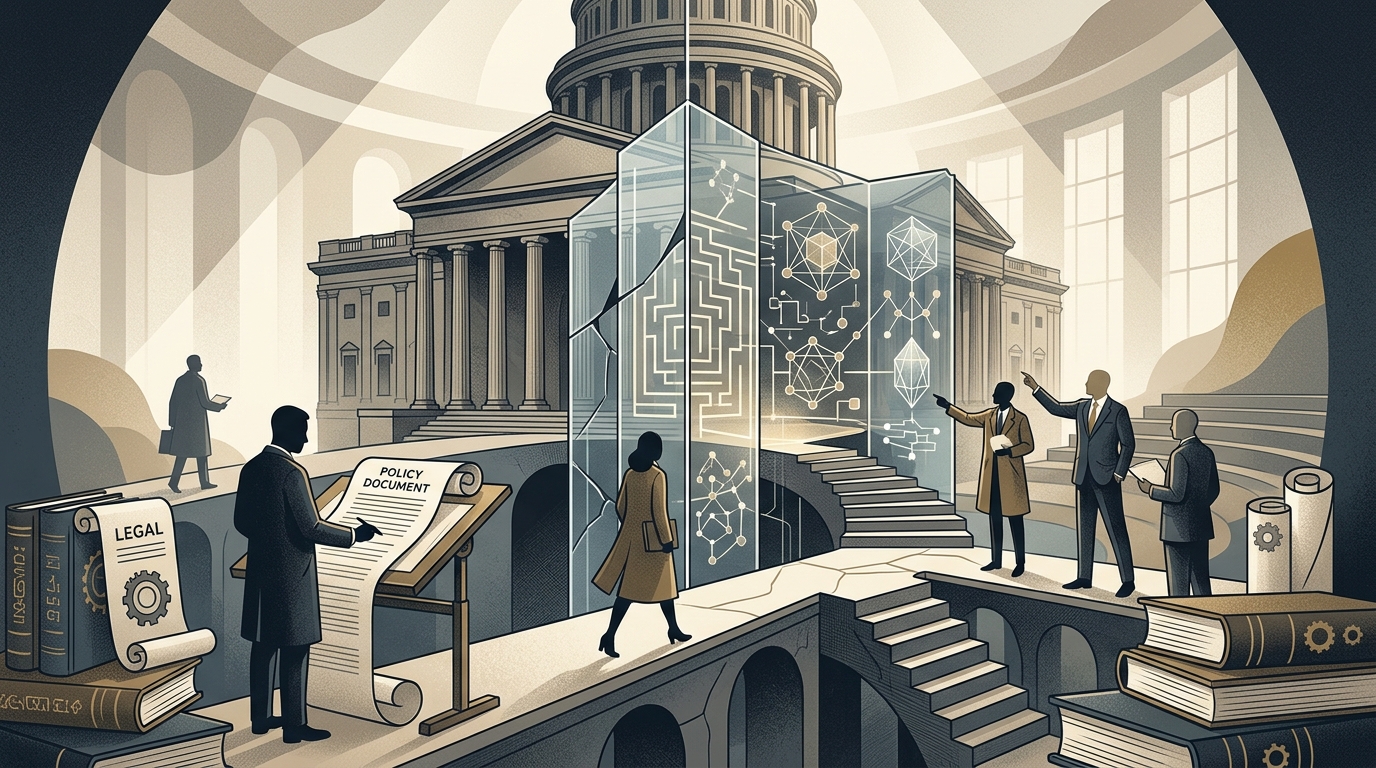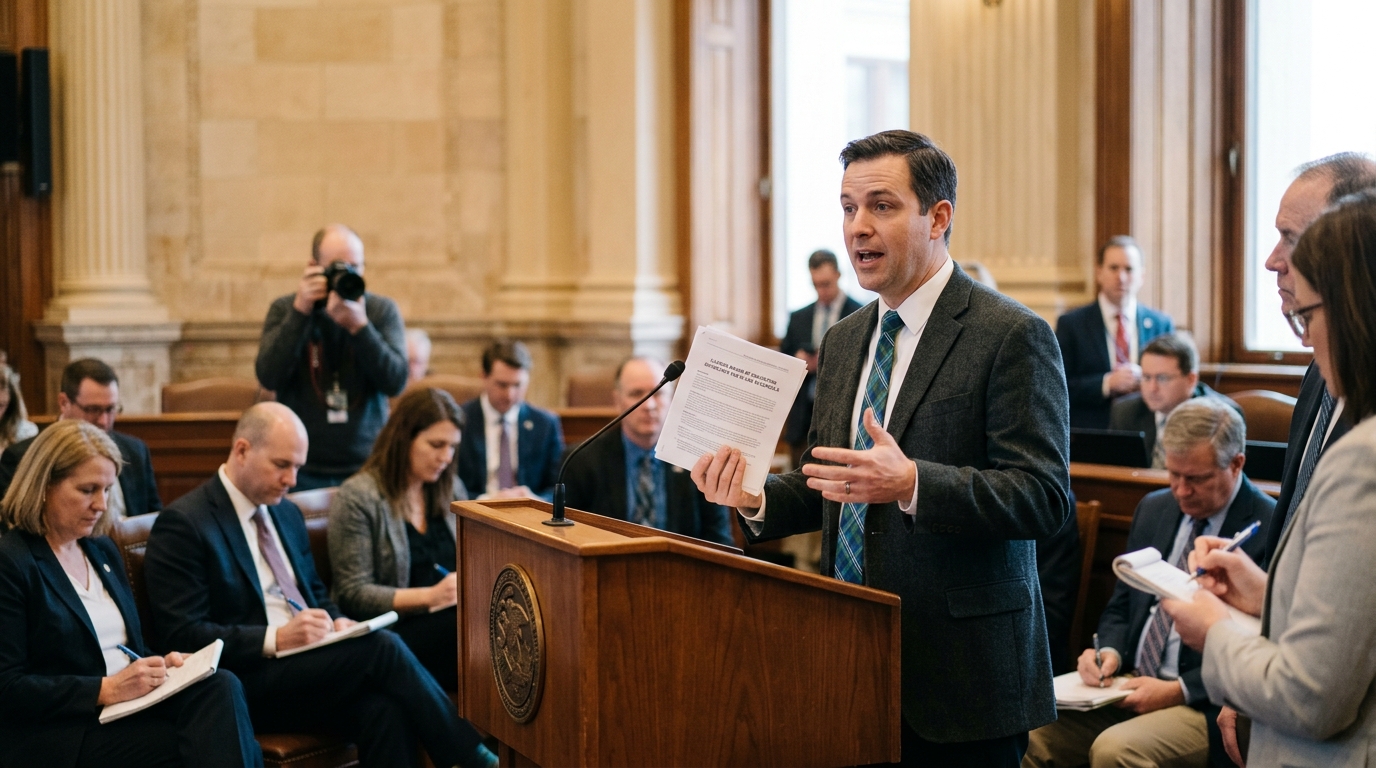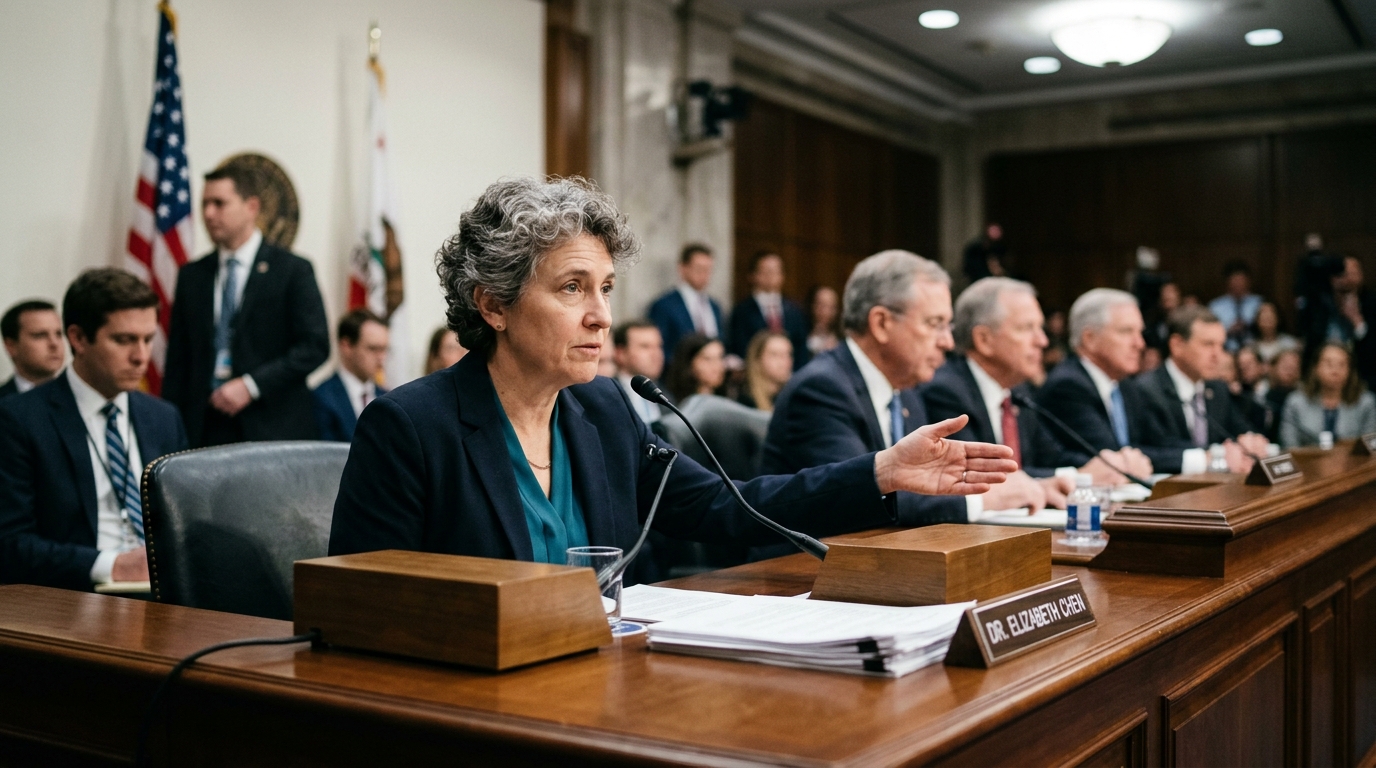
In the heart of Washington D.C., the Senate hearing rooms have once again become the staging ground for a pivotal struggle over the future of humanity and the global economy. The latest hearing on Artificial Intelligence (AI) was far from a routine oversight procedure; it was a profound cultural and political clash between two opposing forces: the relentless drive for unbridled innovation and the urgent necessity for democratic oversight. As we move through 2026, the stakes are no longer theoretical. The impacts of AI on labor markets, misinformation, and national security are already manifest, and lawmakers are tasked with finding a middle ground before technology permanently outpaces society's capacity to govern it.
The Innovation Dilemma and the Shadow of China
One of the central arguments echoed throughout the hearing was the concept of "strategic restraint." Many industry representatives, bolstered by a segment of Republican senators, argued that any stringent regulation could serve as a shackle on American firms, handing the lead to adversaries like China. This rhetoric is not new, but in the current geopolitical climate, it has taken on a new, almost existential dimension. "If we slow down, the others won't," became the recurring mantra of Silicon Valley executives defending their right to push boundaries.
However, the opposing side contends that innovation without safety is a recipe for catastrophe. Democratic senators, alongside ethics experts, emphasized that public trust is the essential fuel for AI adoption. Without a robust framework ensuring algorithmic transparency and intellectual property protection, technological progress risks triggering social instability that would negate any economic gains. The debate underscored a fundamental question: Is being first worth the risk of being wrong?
The Question of Liability: Section 230 and the New Era
A particularly technical yet critical discussion revolved around the potential amendment of Section 230, the law that for decades shielded internet platforms from liability for user-generated content. In the context of AI, the question is: Who is responsible when a Large Language Model (LLM) generates defamatory content or provides instructions for dangerous activities? Senators Richard Blumenthal and Josh Hawley, in a rare display of bipartisan cooperation, suggested that AI companies should not enjoy the same immunity as traditional social media platforms.
"Artificial Intelligence is not just a conduit for information; it is the creator of it. And the creator must bear the burden of responsibility for its creation," Blumenthal remarked during a heated exchange.
The proposal for a new, specialized federal agency for AI also gained significant traction. This agency could issue licenses for high-risk model development, similar to how the FDA approves drugs or the FAA regulates aviation. However, critics fear this could lead to "regulatory capture," where tech giants use regulations to build moats around their businesses, effectively shutting out smaller competitors and open-source developers.
Open Source vs. Closed Systems: The Battle for Access
The debate over "Open Source" AI constituted the third major chapter of the hearing. Companies like Meta and Mistral have argued that releasing model weights to the public promotes safety through collective scrutiny and democratization. Conversely, OpenAI and Anthropic expressed grave concerns that open access to powerful models could enable malicious actors to synthesize biological weapons or launch cyberattacks of unprecedented scale.
The Senate is now faced with the daunting task of deciding whether to impose restrictions on the publication of open-source models. This decision will determine whether AI remains concentrated in the hands of a few corporate titans or serves as a public good accessible to researchers and developers worldwide. The balance is delicate: excessive freedom poses security risks, but excessive restriction stifles democratic access to knowledge and limits the diversity of the AI ecosystem.
Conclusion: The Hour of Political Responsibility
As the hearing concluded, it became evident that the era of "self-regulation" for Silicon Valley is over. Lawmakers in Washington, observing the implementation of the AI Act in the European Union, feel an increasing pressure to act. The question is no longer whether there will be legislation, but how deep it will go and whose interests it will protect. The battle between innovation and oversight is, in reality, a battle for the values we wish to embed in the digital minds we are creating. At The AI Chronicle, we will continue to monitor these developments closely, as the decisions made today in the halls of the Senate will resonate for decades across our digital and physical worlds.