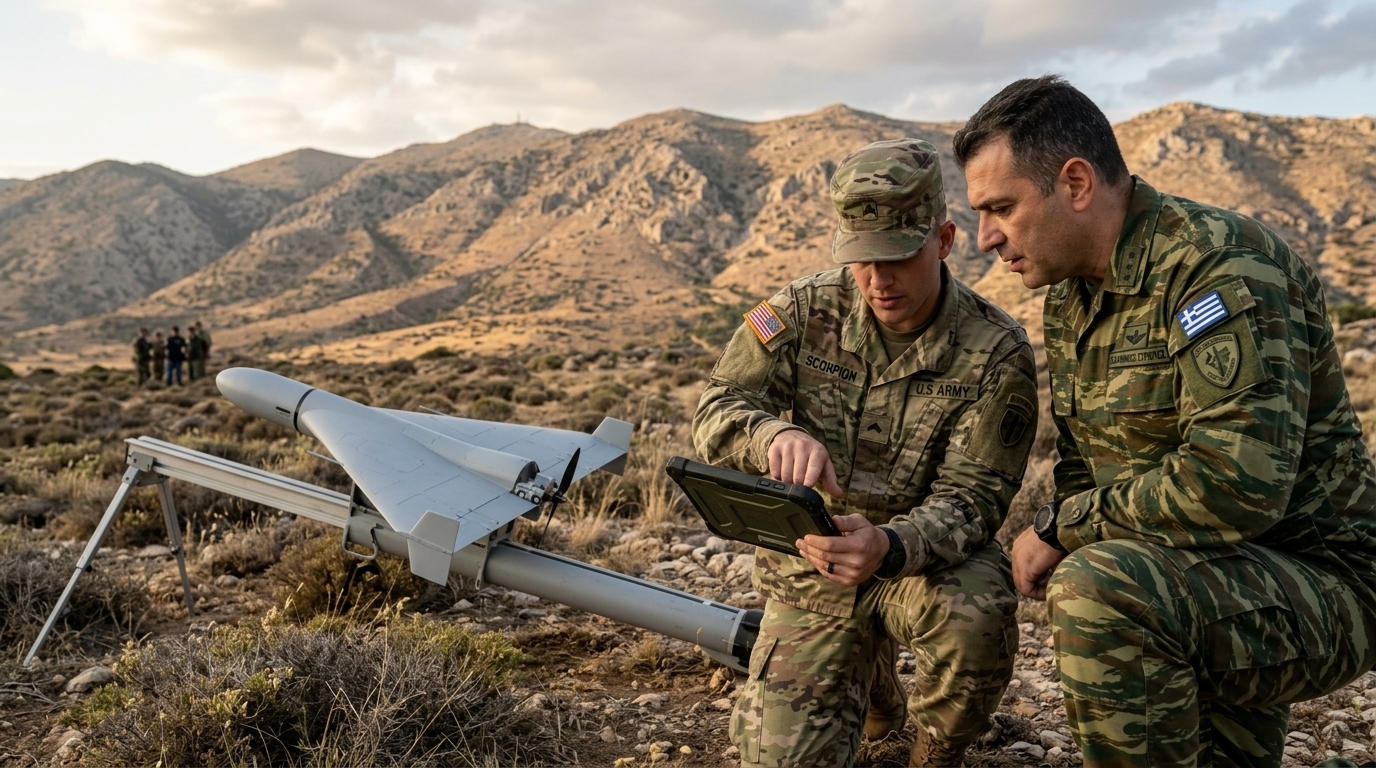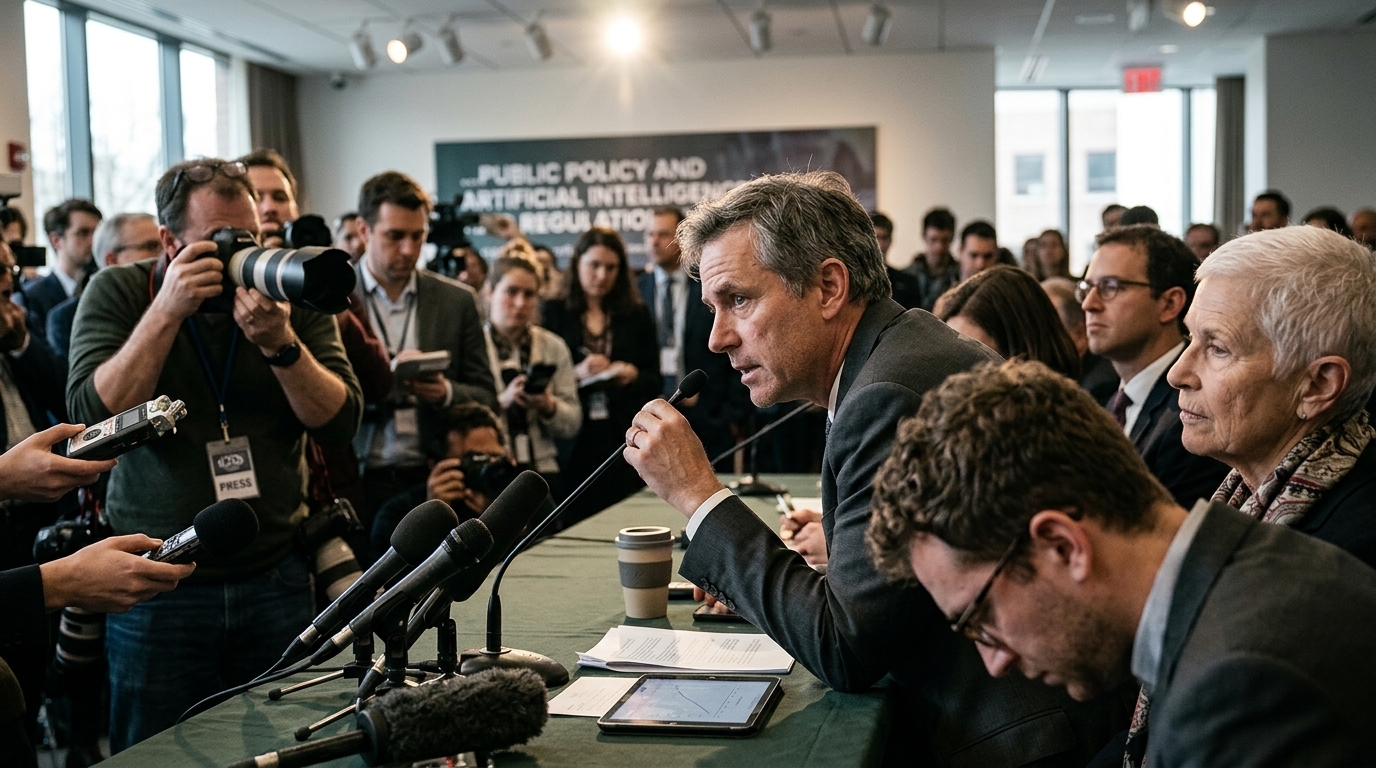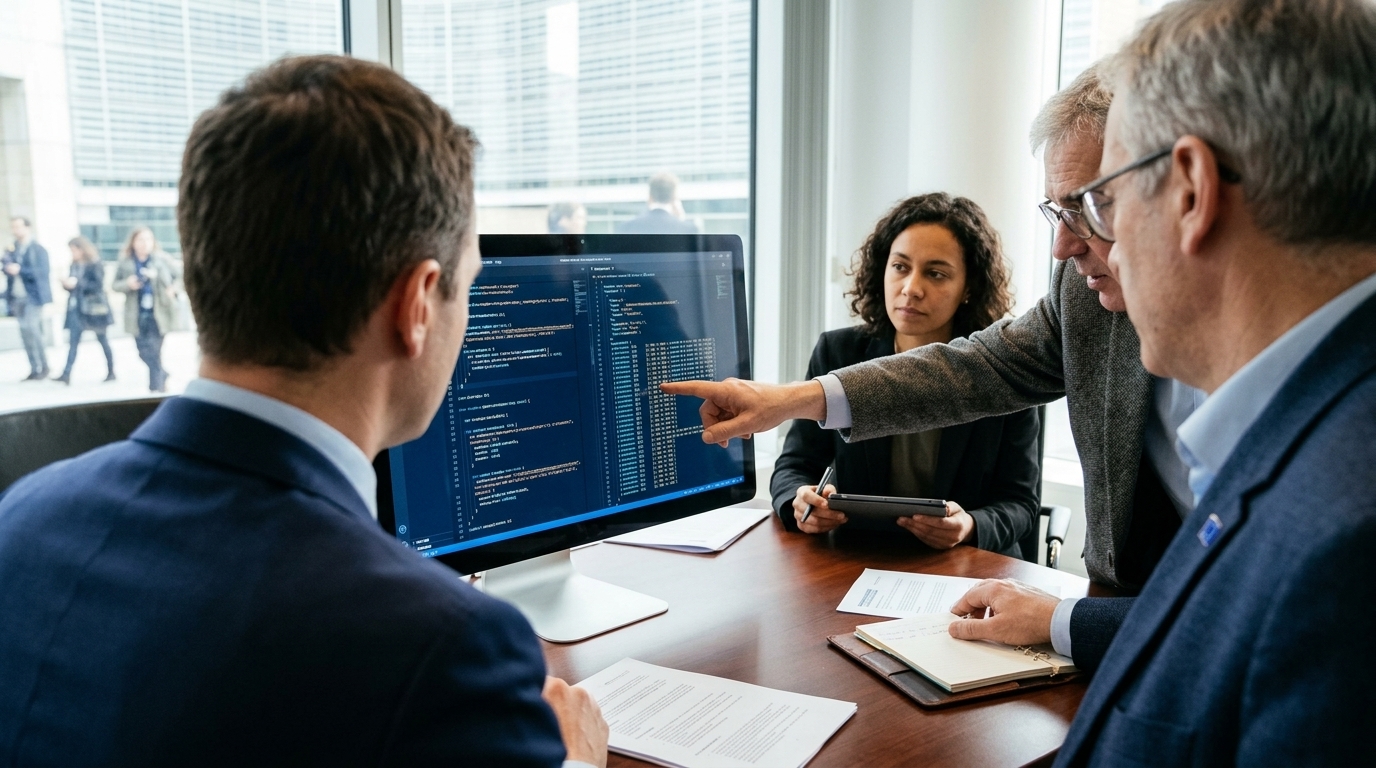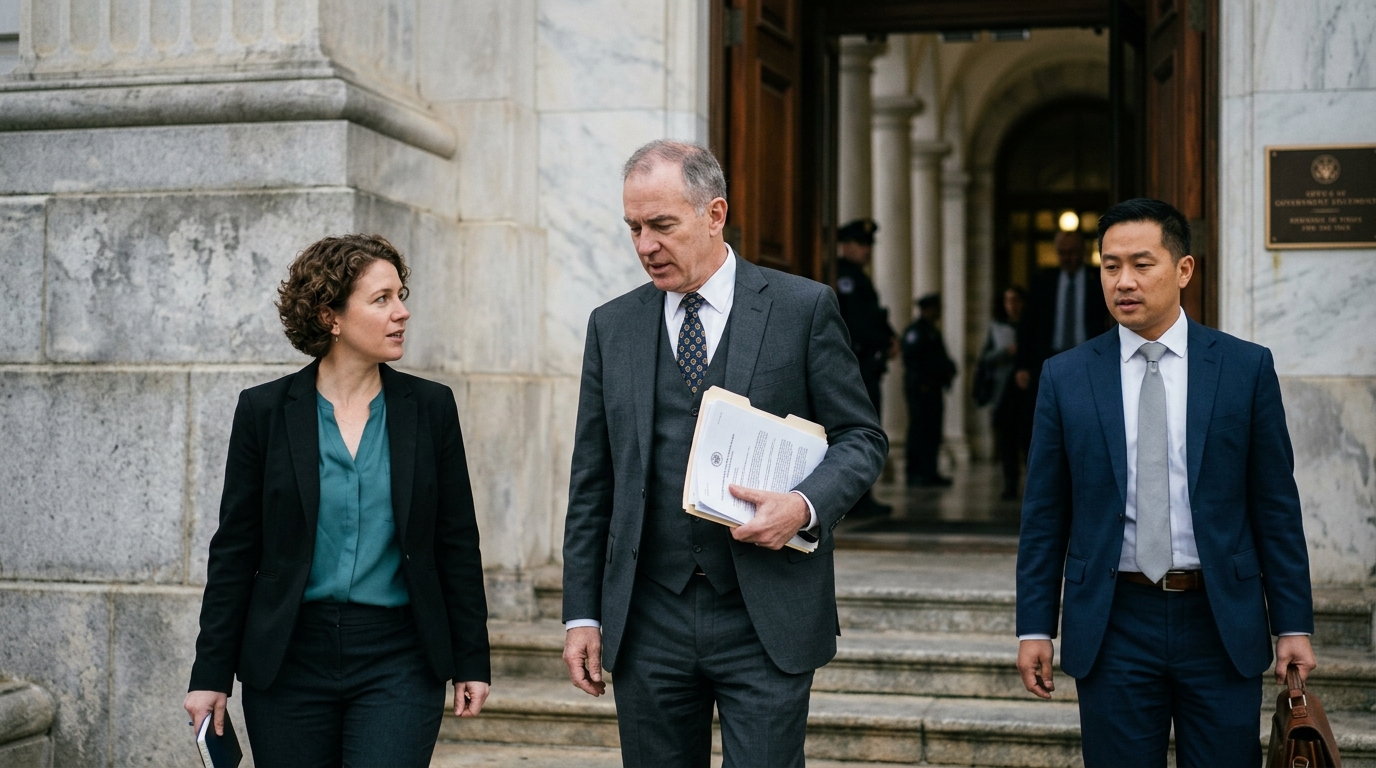
In a move that signals a definitive convergence between Silicon Valley and the Beltway, the Pentagon has announced a formal partnership with seven of the most significant players in Artificial Intelligence. This agreement, which includes giants Amazon, Google, Meta, Microsoft, NVIDIA, OpenAI, and Anthropic, comes after a period of intense deliberation and, in some cases, open friction regarding the boundaries of using commercial AI models for military purposes. This development is not merely a software procurement deal; it represents a fundamental shift in how the United States conceptualizes national security in the age of algorithms.
Resolving the 'Anthropic Dilemma'
The inclusion of Anthropic in the list of Pentagon partners is particularly noteworthy. The company, founded with a focus on 'AI safety' and ethical alignment, had previously expressed reservations about its models, such as Claude, being used in kinetic military operations. The preceding dispute centered on the tension between the company’s strict safety protocols and the Department of Defense's operational requirements. The final agreement suggests a middle ground has been reached: models will likely be used in environments that ensure human-in-the-loop oversight while being leveraged for data analysis and logistical support.
The Seven Pillars of Military AI
Each of the seven companies brings a unique strategic advantage to the table. NVIDIA remains the undisputed provider of the necessary compute power through its H100 chips and their successors. Microsoft and Amazon provide the cloud infrastructure (Azure and AWS) essential for hosting these models at scale. Google and Meta contribute expertise in natural language processing and computer vision, while OpenAI and Anthropic offer the most sophisticated Large Language Models (LLMs) in existence. This multi-layered partnership allows the Pentagon to avoid vendor lock-in, creating an ecosystem of 'coopetition' that accelerates innovation.
- Intelligence Analysis: Faster processing of satellite imagery and intercepted communications.
- Logistics: Optimizing the movement of materiel globally via predictive modeling.
- Cyber Defense: Automated detection and mitigation of threats in real-time.
- Decision Support: Providing strategic recommendations to commanders based on millions of simulated scenarios.
Geopolitical Stakes and the China Challenge
The Pentagon’s urgency in finalizing these deals is no coincidence. In Washington, the prevailing view is that China is moving faster in integrating AI into its armed forces, unencumbered by the ethical debates prevalent in the West. Partnering with the private sector is seen as the only way for the US to maintain its technological edge. However, this 'militarization' of commercial technology raises profound questions. What happens when an algorithm trained to assist coders is repurposed for target identification on a battlefield? The answer remains opaque, as contract details are largely classified.
"Artificial Intelligence is not just a new weapon; it is the operating system of future warfare. Whoever controls the best algorithms controls the battlefield."
In conclusion, the alliance between the 'AI Seven' and the Pentagon marks a milestone. It signals the end of an era where tech giants could remain neutral or detached from state security strategies. Moving forward, innovation in Silicon Valley will be inextricably linked to US defense priorities, forging a new military-digital complex that will define international relations for decades to come.