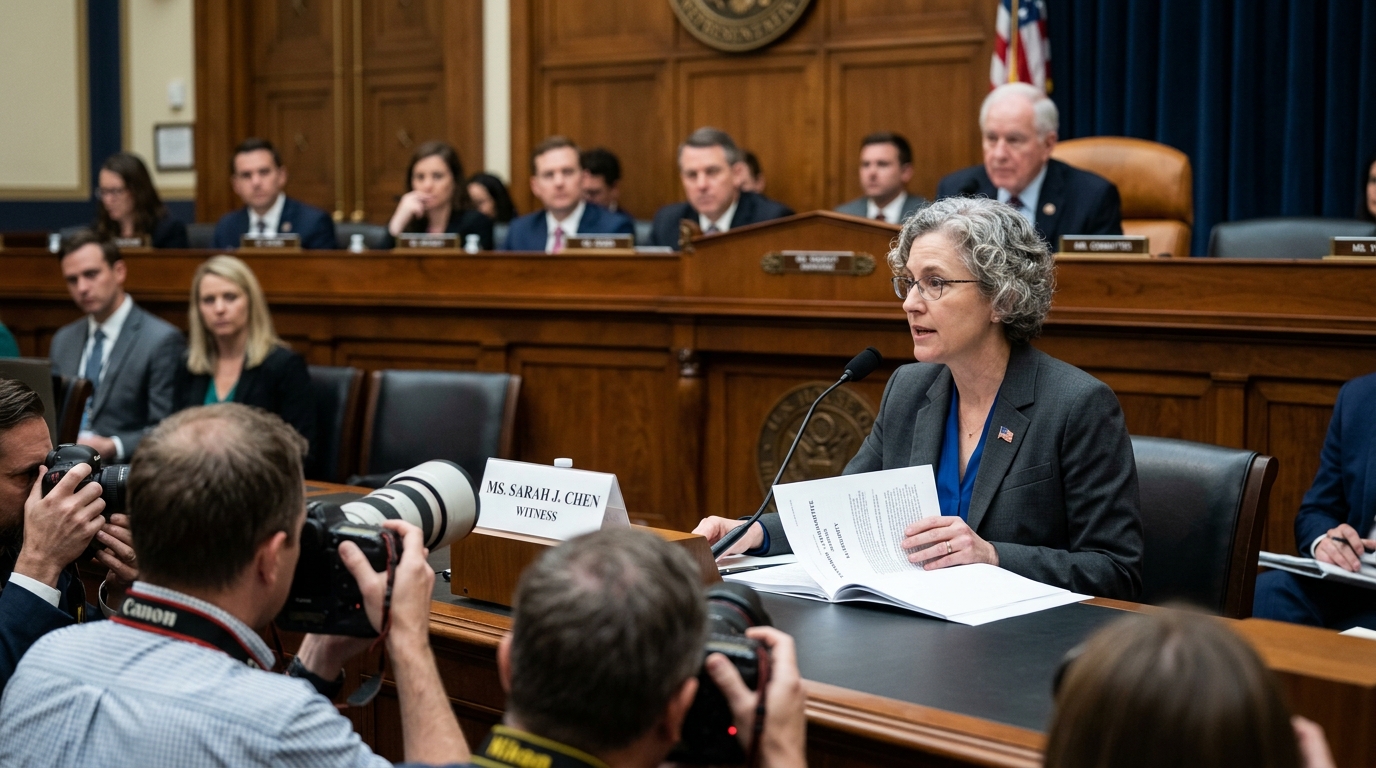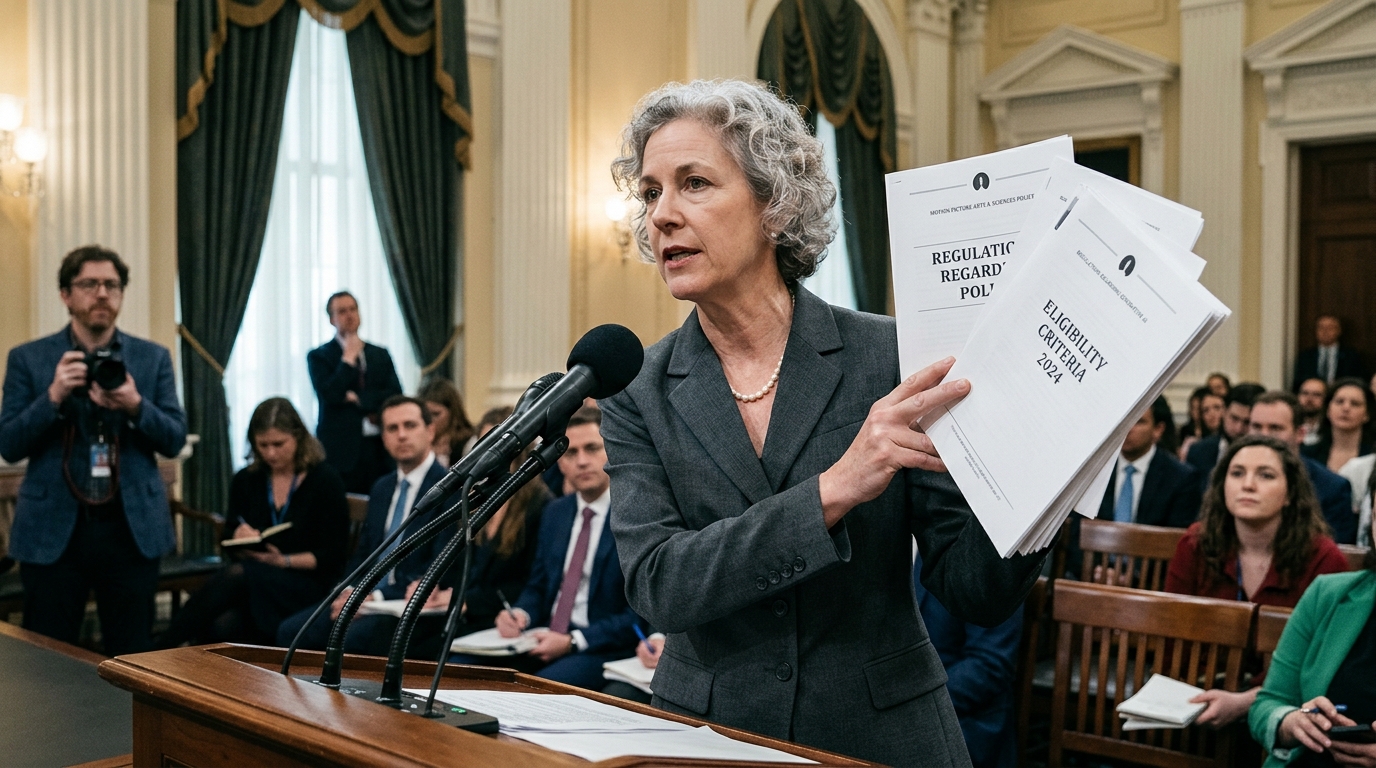
The 97th Academy Awards will not only be remembered for the films that take home the gold, but for a fundamental decision that redefines what it means to be a "creator" in the 21st century. In a move many see as the final line of defense against the digital tide, the Academy of Motion Picture Arts and Sciences (AMPAS) has announced new rules explicitly excluding Artificial Intelligence from competing for awards in acting, writing, and directing categories.
This decision does not occur in a vacuum. It is the culmination of a turbulent period for Hollywood, marked by the historic strikes of the Writers Guild of America (WGA) and the Screen Actors Guild (SAG-AFTRA) in 2023. The central demand then, as it is now, was to ensure that technology serves as a supportive tool rather than a replacement for human experience and expression.
Human Authorship as a Prerequisite for Eligibility
According to the new guidelines, to be eligible for an Oscar, a nominee must be a "natural person." This seemingly obvious phrasing conceals a deep legal and ethical fortification. The Academy clarifies that works produced exclusively by generative AI algorithms do not meet the criteria of "artistic authorship." In the Best Screenplay category, for instance, the text must have been written by a human, even if digital tools were used for research or editing.
The issue becomes even more complex in the acting categories. The rise of "digital twins," the ability to recreate deceased actors, or the creation of entirely synthetic characters via CGI and AI, triggered an alarm. The Academy is clear: the Oscar for Best Actor and Actress belongs to humans who perform, not to programmers who assemble pixels. The "soul" of a performance, the subtle nuances of a gaze, and the authenticity of emotion remain—for now—the exclusive province of biological beings.
The Gray Zone of Technical Categories
Nevertheless, the Academy is not blind to progress. In technical categories such as Visual Effects, Sound, and Film Editing, the use of AI is not only permitted but often rewarded. Here, AI is treated as the evolution of the tools artists use to realize their vision. The distinction is clear: technology can help build a world, but it cannot be the architect of that world's meaning.
- Screenwriting: Human writing is required. AI can only be used as a supplementary tool, akin to a sophisticated word processor.
- Acting: Only natural persons are eligible. Digital representations are not considered performances.
- Directing: Decision-making and artistic guidance must stem from human intelligence.
This approach attempts to balance conservatism with modernization. However, critics argue that the boundaries will soon become blurred. What happens when an actor uses AI to modify their voice or change their age (de-aging), as seen in Indiana Jones or The Irishman? The Academy responds that the original performance remains human, thus eligibility is maintained.
Industry Impact and the Road Ahead
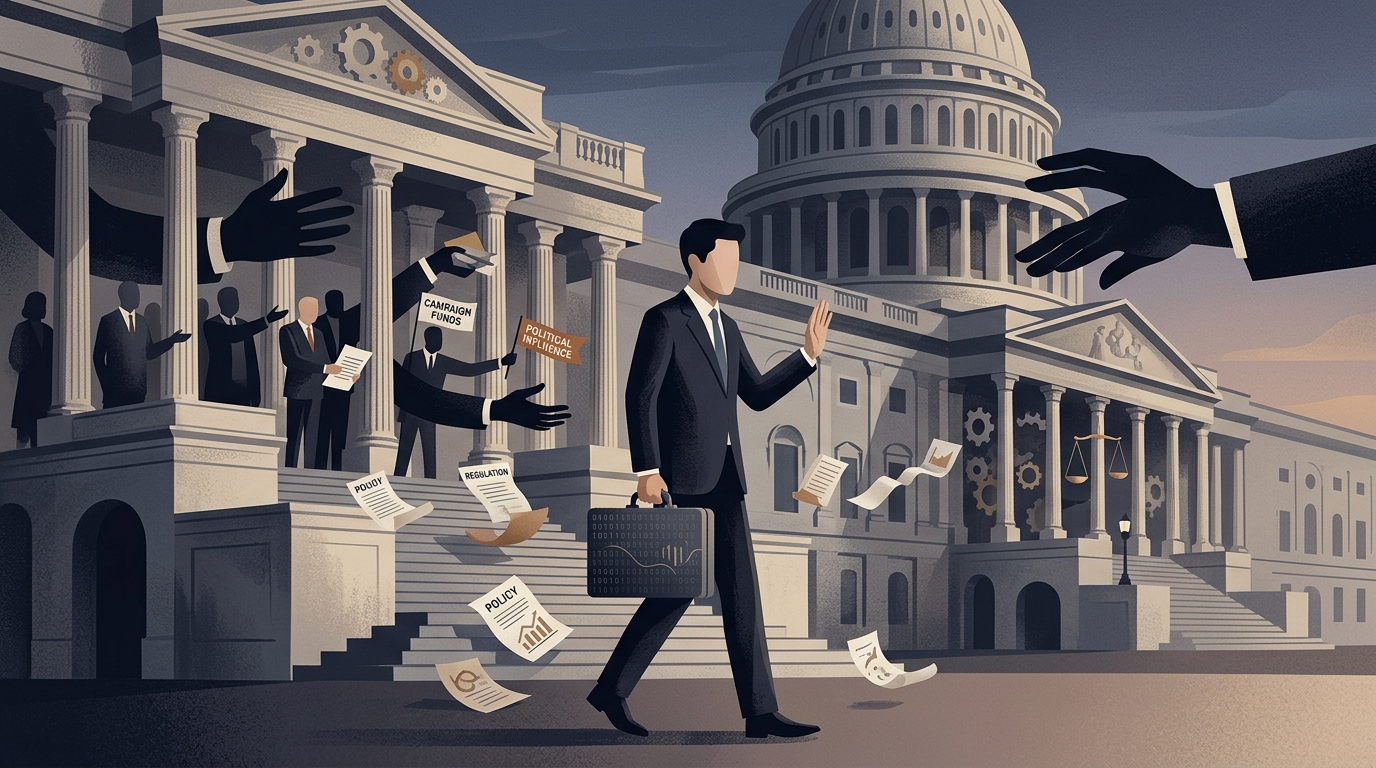
This move by the Academy sends a powerful message to production studios. In an era where the pressure to cut costs leads to the pursuit of automated solutions, the Golden Statuette remains the ultimate symbol of "human triumph." For creators, it is a victory for intellectual property and the moral value of their labor.
"Cinema is the art of capturing the human condition. If we remove the human from the equation, what remains is a soulless simulation," stated a member of the rules committee.
In the future, these rules will undoubtedly be tested. As AI becomes capable of producing works indistinguishable from human ones, the Academy may need to create new categories or reconsider the definition of creativity. For now, however, Hollywood chooses to protect its own, keeping the Oscars as a fortress of human inspiration in a rapidly digitizing world.