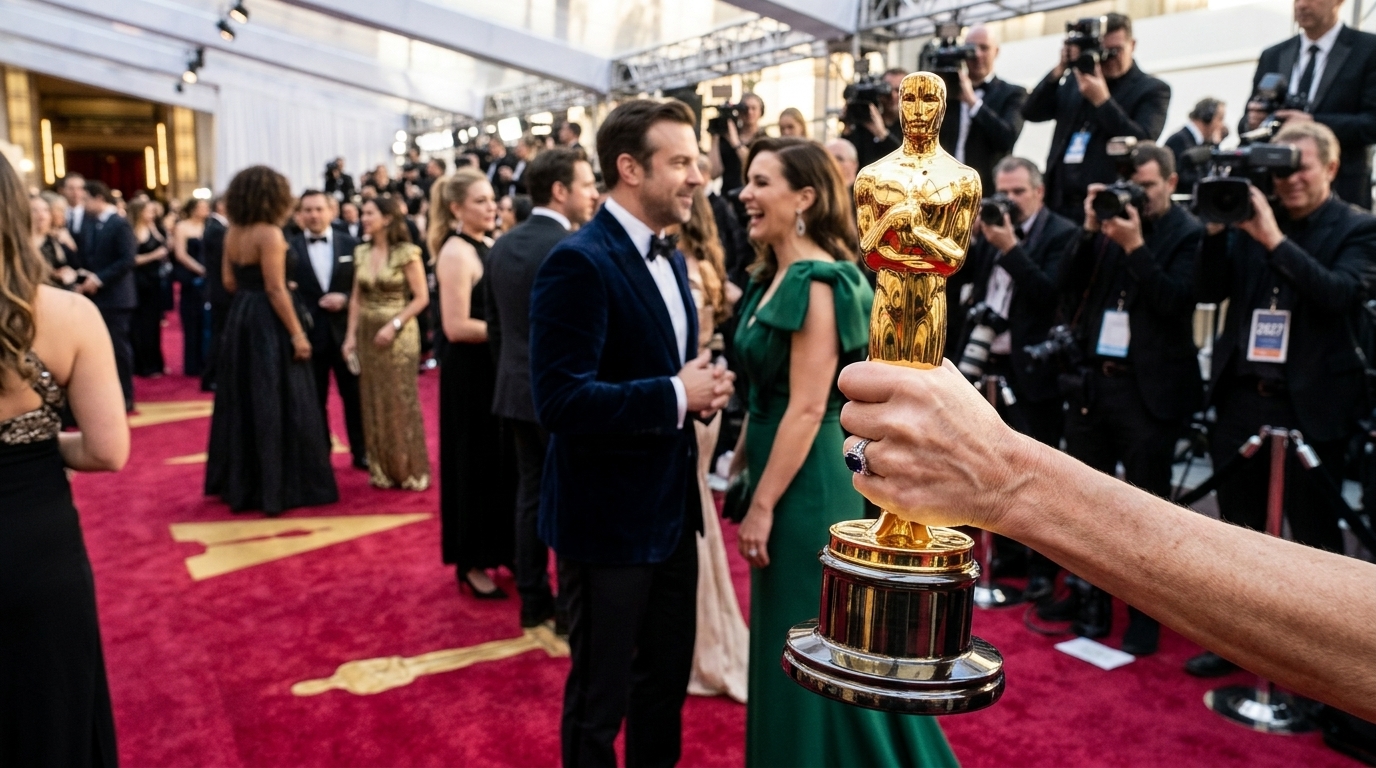
The Academy of Motion Picture Arts and Sciences (AMPAS) has taken a decisive stand in what many describe as the "last stand" for traditional filmmaking. With the announcement of new regulations for the 99th Academy Awards in 2027, Hollywood is sending a clear signal: Artificial Intelligence may be a tool, but it will never be the creator. This overhaul, the most extensive in three decades, is not merely a bureaucratic adjustment but an existential declaration regarding the nature of art in the digital age.
Human Authorship as a Prerequisite
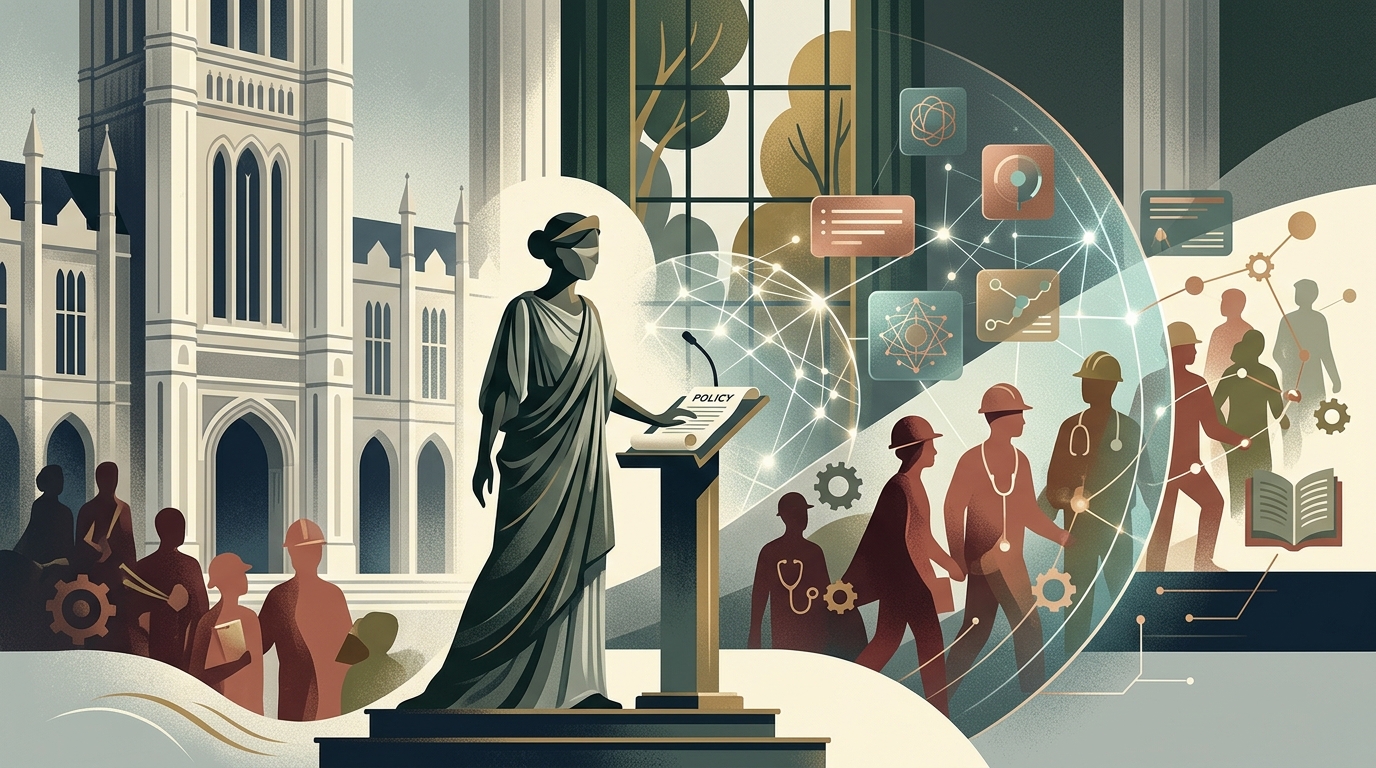
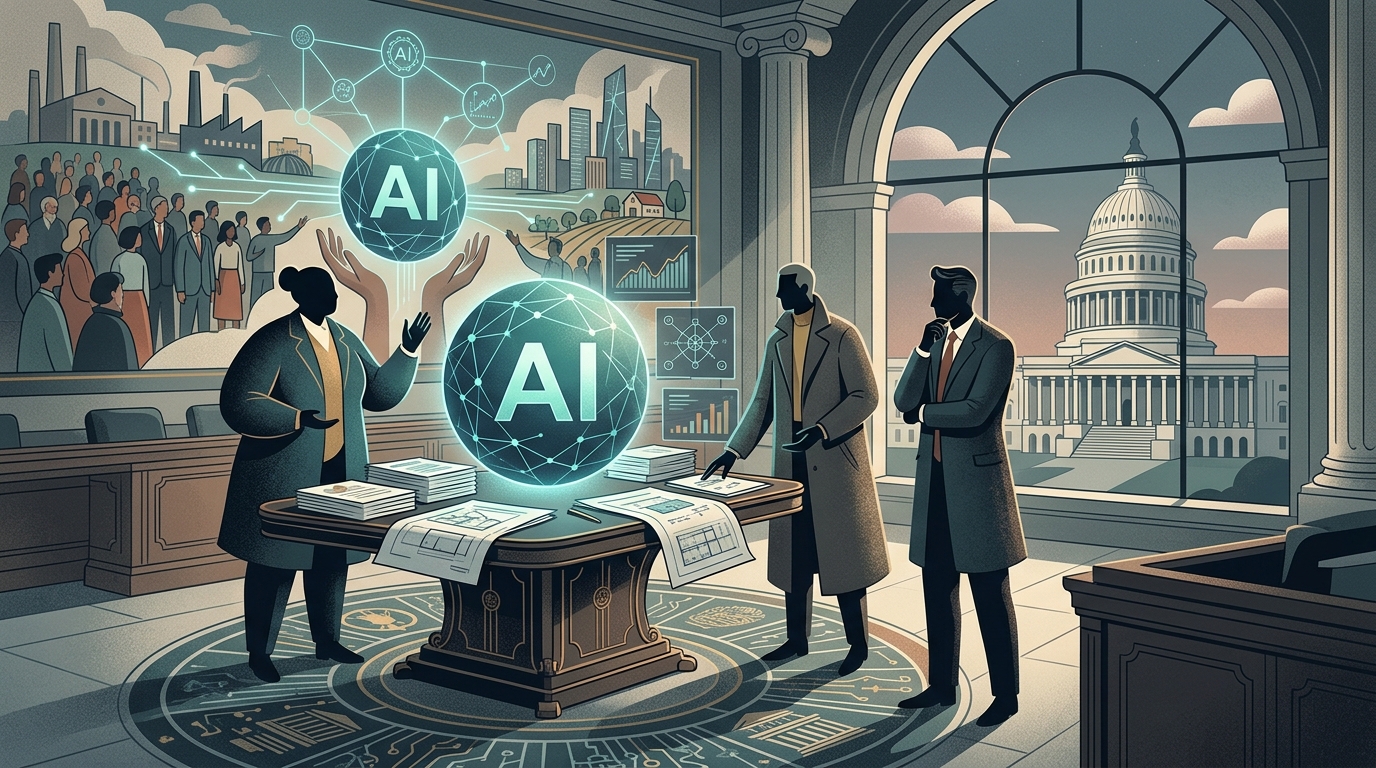
At the heart of these changes is the definition of a "creator." Under the new rules, for a film to be eligible for the Oscars, its creative essence must originate from human beings. The Academy clarified that while the use of AI is not banned across the board—an impossible feat given its long-standing use in visual effects (VFX) and post-production—generative AI is being placed under strict scrutiny. Specifically, categories such as Screenwriting, Directing, and Acting remain exclusively human domains.
This decision follows the massive 2023 strikes by the Writers Guild of America (WGA) and the Screen Actors Guild (SAG-AFTRA), which paralyzed the industry for months. The Academy is essentially codifying the concerns of these professionals, ensuring that a script "born" from a Large Language Model (LLM) can never claim the golden statuette, even if refined by a human. The distinction between an "assistive tool" and a "creative source" has become Hollywood’s new legal and ethical frontier.
Redrawing the International Film Map
Beyond AI, the new rules are causing tremors in the International Feature Film category. The Academy is increasing the requirements for theatrical screenings, indirectly challenging the release strategies of streaming giants like Netflix and Apple TV+. Starting in 2027, it will no longer be enough for a film to screen for a week in a single city in its country of origin. A more expanded distribution is now required, aiming to bolster the traditional cinematic experience.
These changes reflect a desire to return to the medium's roots. The Academy seems to recognize that the prestige of an Oscar is inextricably linked to the "sacred" experience of the darkened theater. In a world where content is mass-produced for consumption on smartphones, the Oscars are choosing to remain the symbol of an art form that demands time, physical presence, and, above all, human struggle and emotion.
The Challenge of Enforcement
The lingering question is how these rules will be enforced. Technology is evolving so rapidly that the line between a digitally enhanced shot and a fully AI-generated environment is becoming increasingly blurred. The Academy may need to employ its own algorithms or specialized "digital forensics" committees to ensure compliance.
- Films must submit detailed disclosures regarding the use of AI tools.
- Actors using "digital doubles" will face strict limitations in performance categories.
- The Best Picture category will now require guarantees of human origin for primary creative materials.
In conclusion, 2027 will mark Year Zero for a new era of cinema. The Academy is not trying to halt progress but to define what makes us human through art. As the legendary Stanley Kubrick once said, "A film is—or should be—more like music than like fiction. It should be a progression of moods and feelings." And so far, the music of the human soul cannot be fully encoded into binary.