In the heart of the Pacific Northwest, a legal and ethical battle is unfolding that could define the future of democratic elections in the age of artificial intelligence. Oregon, a pioneer in regulating synthetic media with the passage of SB 1571 in 2024, is now facing its first true test: political advertisements that use "over-the-top" AI to create dystopian scenarios or lampoon opponents.
The Law and the Enforcement Paradox
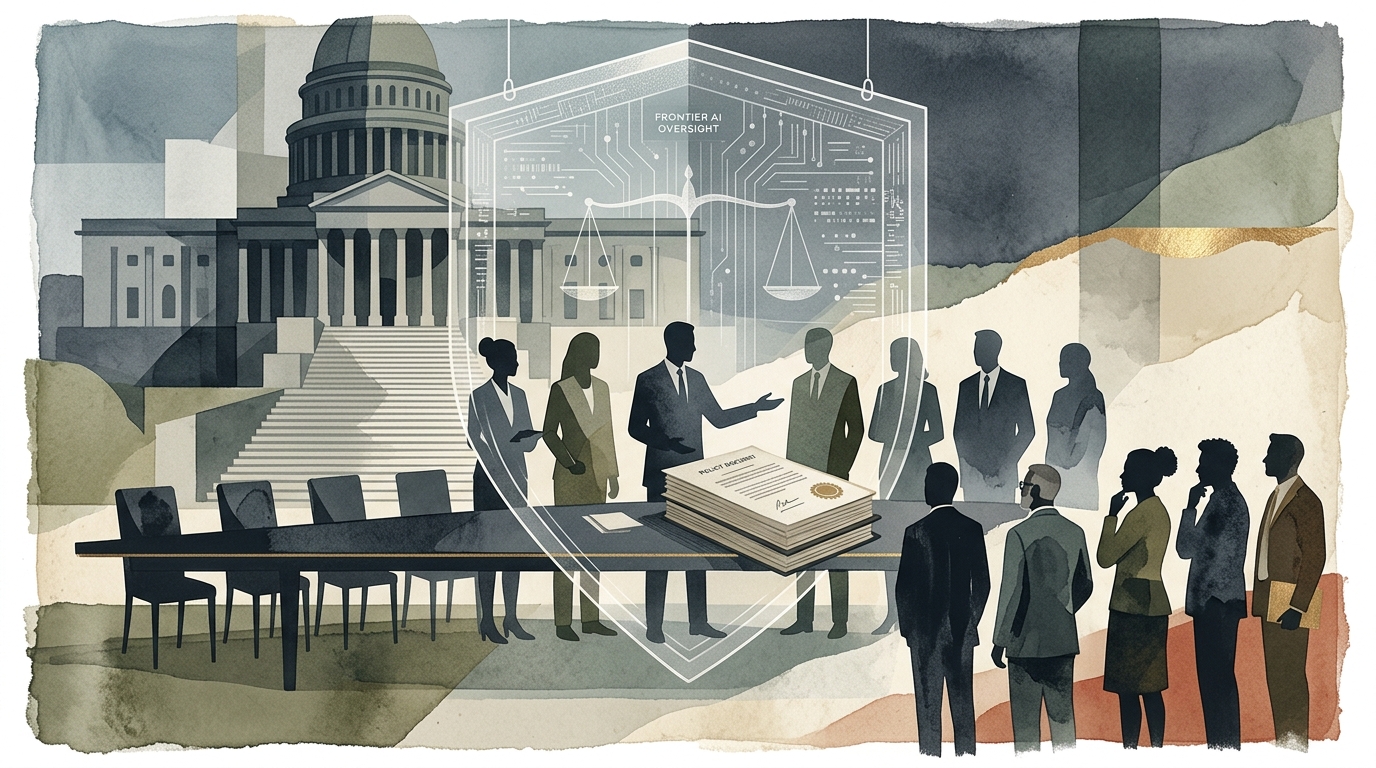
Oregon’s SB 1571 requires political campaigns to include a clear disclaimer if an ad contains content that has been generated or substantially altered by AI. The intent was straightforward: to prevent voters from being deceived by deepfakes. However, the latest crop of ads appearing on voters' screens aren't always trying to pass as reality. Instead, they leverage AI to generate surreal, often frightening imagery of cities in decay or candidates in absurd situations.
The question now before regulators is whether these "obviously fake" images fall under the law's jurisdiction. Free speech advocates argue that if an ad is clearly satirical or hyperbolic, mandatory AI labeling could constitute a violation of the First Amendment. Conversely, transparency proponents warn that without strict enforcement, the line between satire and disinformation will become dangerously blurred, leading to a landscape where nothing can be trusted.
The Psychology of Hyperbole and the 'Liar's Dividend'
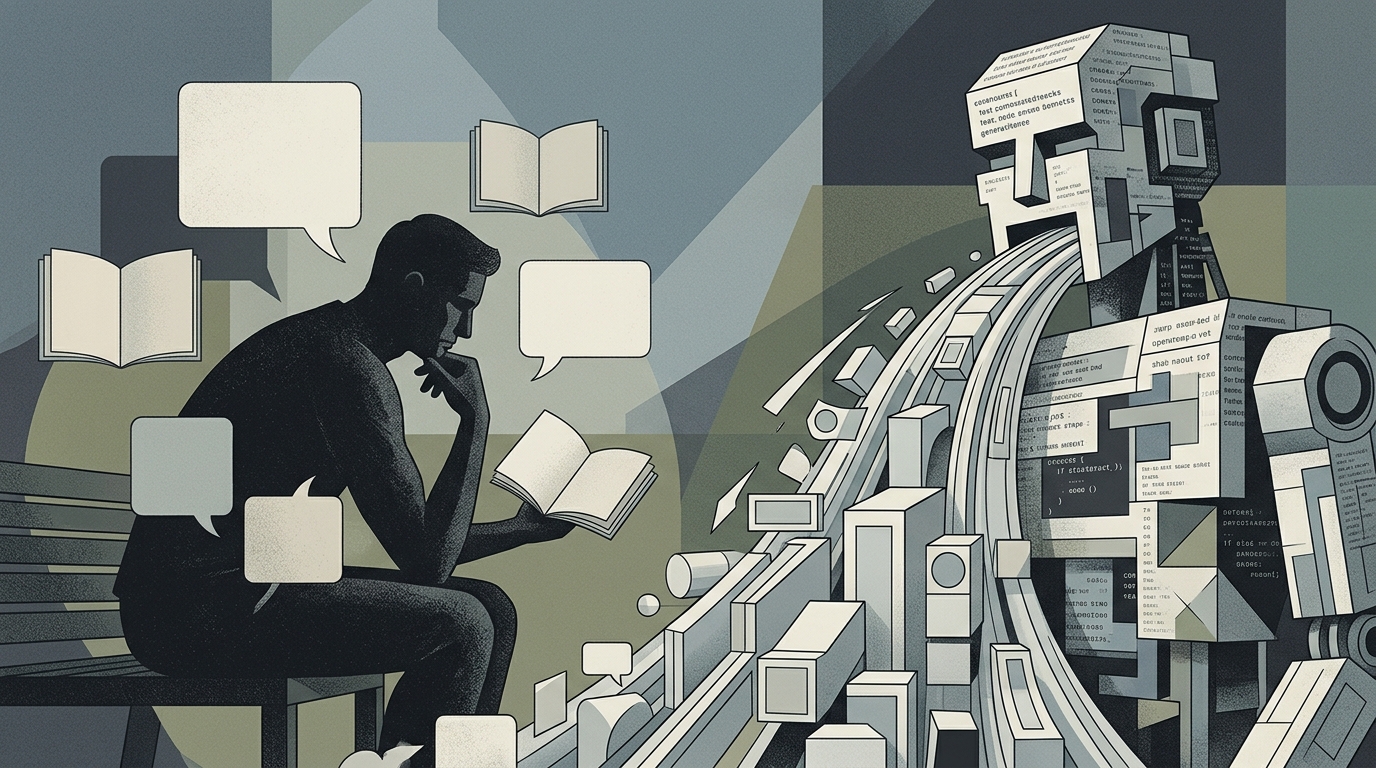
The use of AI in political advertising isn't just about deception; it’s about emotional manipulation. "Over-the-top" ads use the technology to amplify voter anxieties in ways that traditional video production could not affordably achieve. Images of burning forests, desolate streets, or monstrous bureaucrats are created in seconds, providing a visual intensity that bypasses logical analysis.
Furthermore, there is the looming threat of the "liar’s dividend." As the public becomes increasingly aware of AI's presence in ads, it becomes easier for politicians to dismiss genuine, incriminating evidence as "AI-generated." Oregon's law attempts to build a firewall against this erosion of trust, but technology is moving faster than the bureaucracy tasked with policing it.
Oregon as a Laboratory for the Nation
As we approach the 2026 election cycle, Oregon’s experience is being closely watched by other states and the federal government. The Federal Election Commission (FEC) has been slow to issue national rules, leaving a vacuum that states are rushing to fill with a patchwork of regulations. Oregon’s approach, which emphasizes disclosure over prohibition, is seen as a more balanced solution, but the current friction over hyperbolic ads reveals cracks in the foundation.
- Who decides if an image is "substantially altered"?
- How are fines levied against digital-first campaigns that vanish after Election Day?
- What is the role of social media platforms in enforcing state-specific mandates?
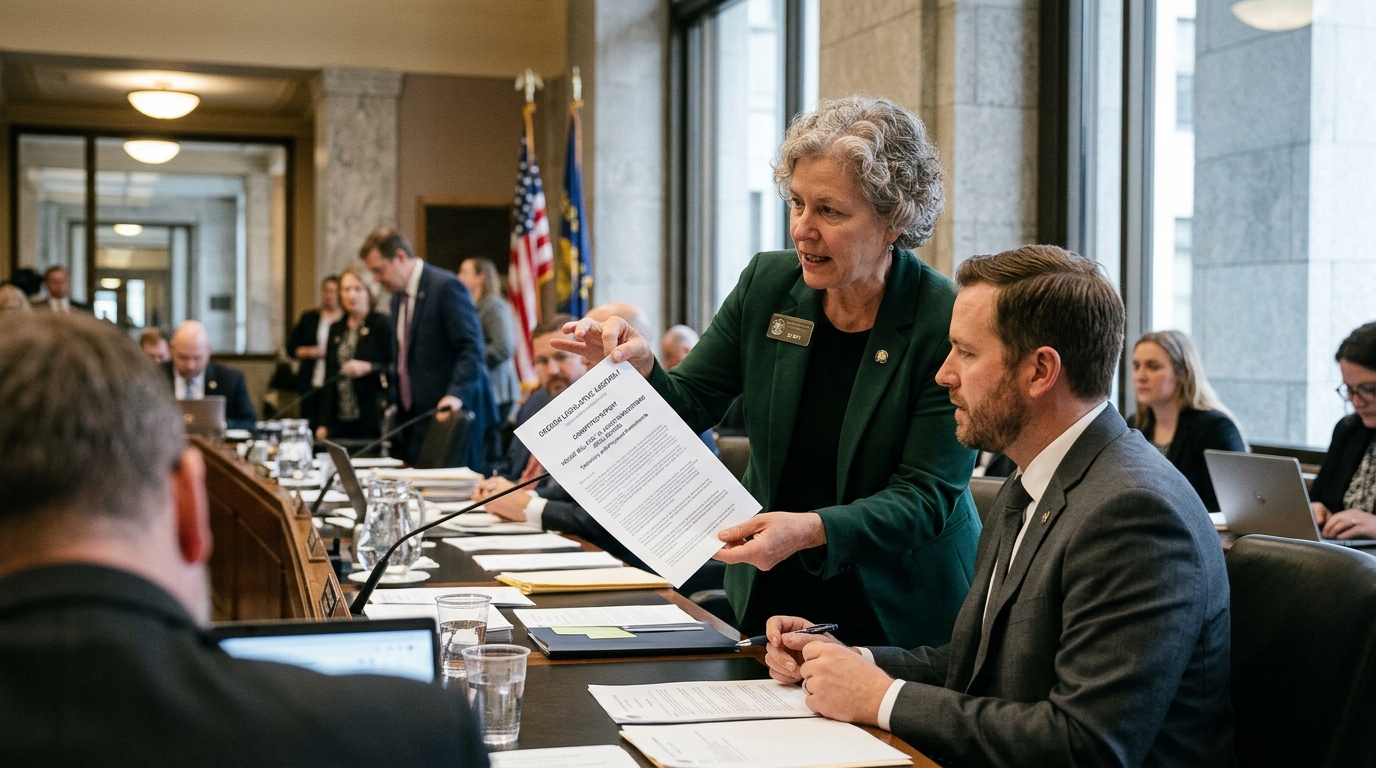
The Oregon Secretary of State’s office is under pressure to issue clearer guidance. The challenge is to protect election integrity without chilling political creativity. In a world where reality is increasingly malleable, the need for clear "rules of the road" in the digital square has never been more urgent.
"Artificial intelligence is not just changing the content of our messages, but the very fabric of our political reality. If we cannot agree on what is real, we cannot govern."
Ultimately, the Oregon case highlights a fundamental clash between technological velocity and legal stability. The ads testing the law today are merely the opening salvo in a long-term restructuring of political communication in the 21st century.