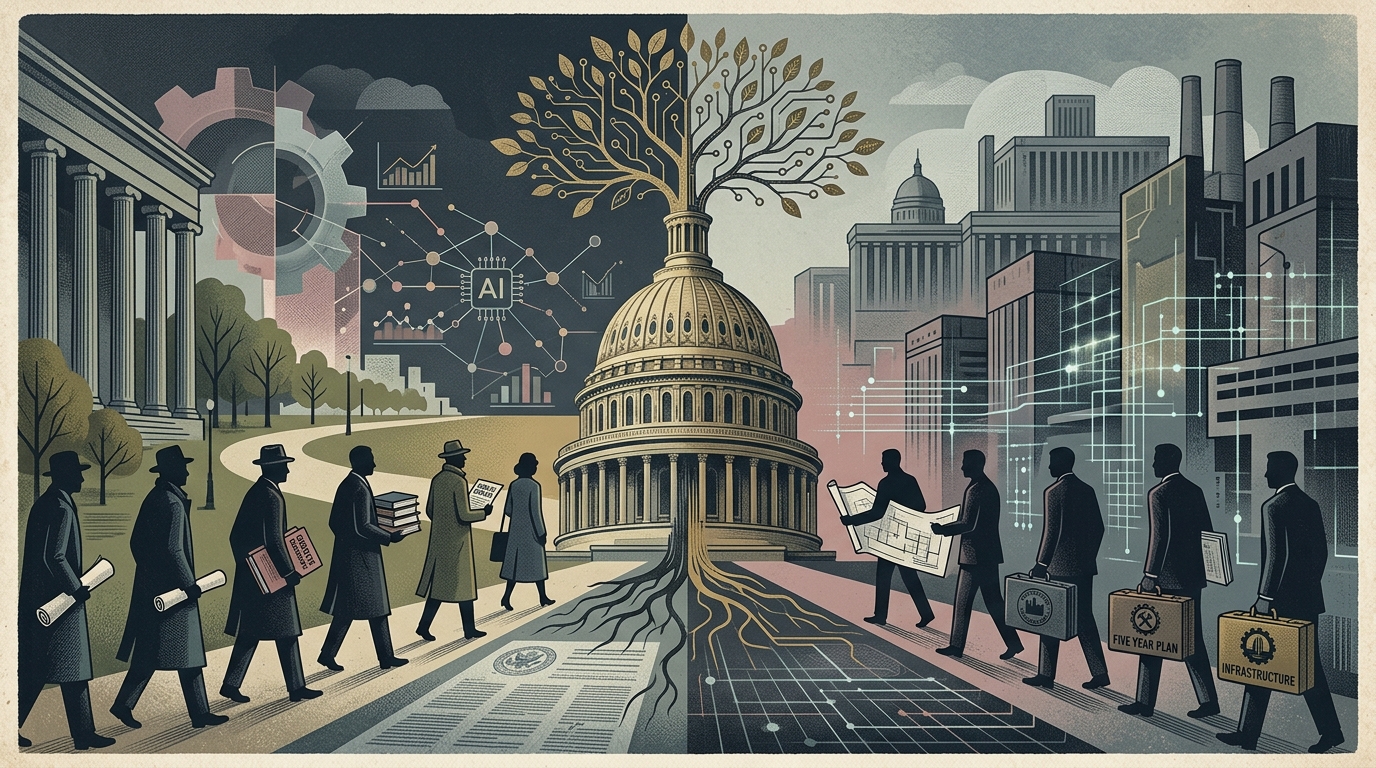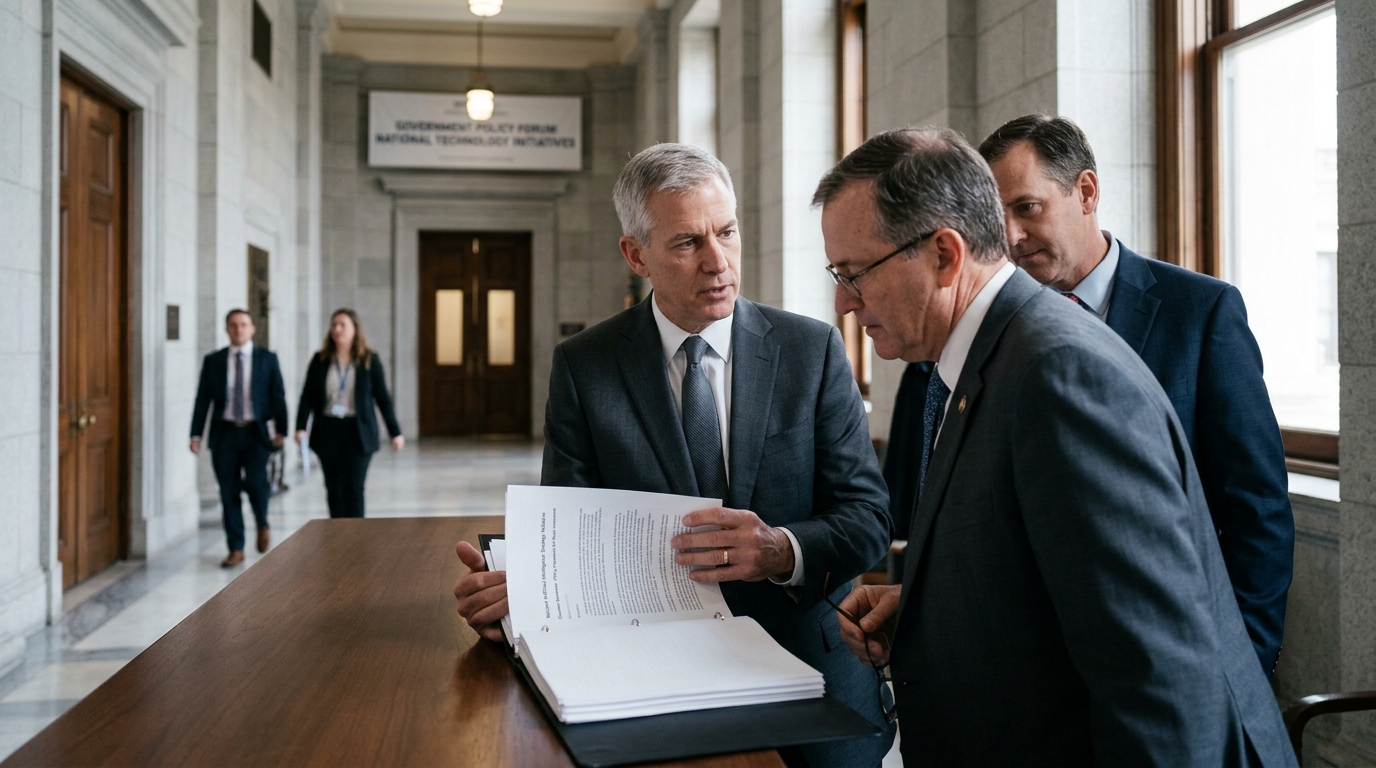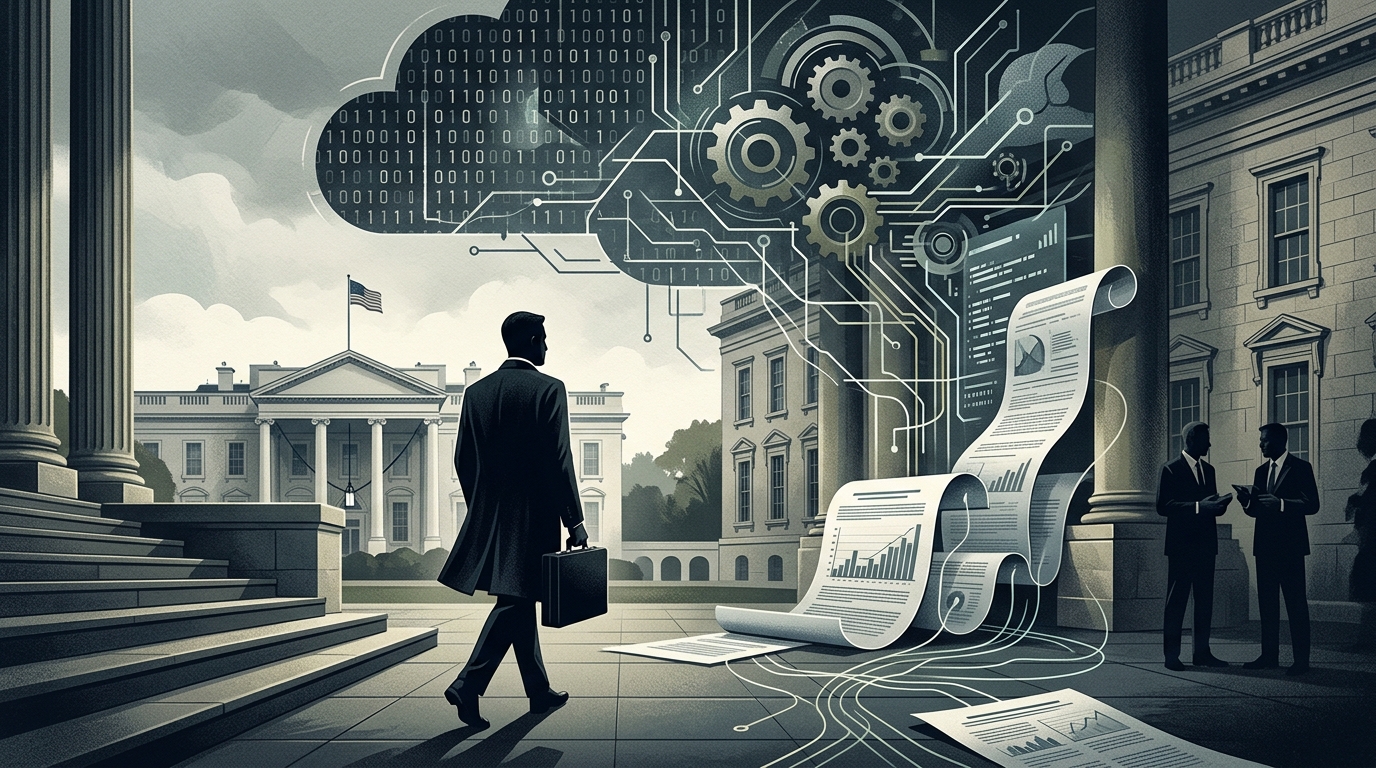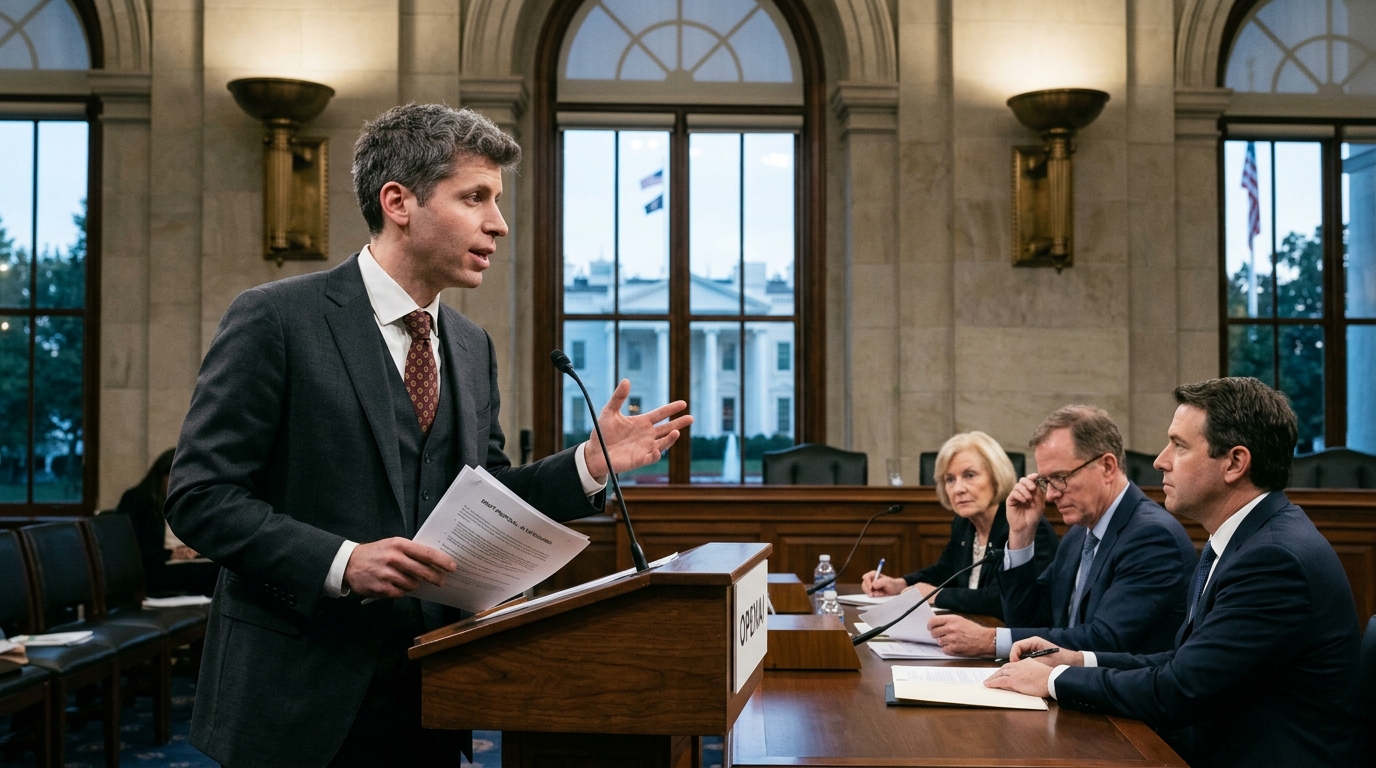
In the corridors of Washington D.C. and the glass-walled boardrooms of Silicon Valley, a quiet but decisive battle is unfolding that will define the course of humanity for decades to come. The question is no longer whether Artificial Intelligence (AI) should be regulated, but how, by whom, and under what terms. OpenAI, the creator of ChatGPT, and the White House are now on a collision course, projecting two radically different visions for the governance of the most powerful technology of our era.
The White House Vision: Safety, Rights, and Public Interest
The U.S. government, through its recent Executive Order on AI, has adopted an approach that focuses on protecting civil rights, labor security, and national defense. The Biden-Harris administration seeks to create a framework where companies are held accountable for their algorithms' biases and their impact on social cohesion. Washington's core philosophy is that technology must serve democracy, not the other way around.
The Department of Commerce and the National Institute of Standards and Technology (NIST) are working feverishly to establish rigorous safety tests (red-teaming) that models must pass before being released to the public. For the government, regulation is not an obstacle to innovation but the necessary "guardrail" that allows for high-speed development without the risk of a catastrophic crash.
OpenAI: The Licensing Model and the Risk of Regulatory Capture
On the other side, Sam Altman and the leadership of OpenAI propose a different path. OpenAI advocates for the creation of an international agency, modeled after the International Atomic Energy Agency (IAEA), which would issue licenses for the development of "frontier models." While this sounds responsible, many critics and analysts see an attempt at "regulatory capture."
By proposing strict and costly licensing criteria, OpenAI may be attempting to raise barriers to entry for smaller competitors and the open-source community. The company's position is that over-regulating low-risk applications will stifle the economy, while a lack of control over giant models could lead to existential risks.
Open Source as a Battlefield
One of the thorniest points of friction is the treatment of open-source AI. The White House, under pressure from academics and free-speech advocates, is carefully considering whether banning the open release of powerful models would grant excessive power to a handful of corporations. OpenAI, conversely, expresses reservations, arguing that releasing the "weights" of a model capable of assisting in the creation of biological weapons is an irresponsible act.
This conflict highlights the deep divide between Silicon Valley's "move fast and break things" culture and the "precautionary principle" that political power is trying to implement. As we approach election cycles and geopolitical pressure from China mounts, the need for a unified national strategy becomes imperative.
Conclusions and Future Outlook
The final form of AI regulation in the U.S. will affect the entire planet. If the White House's vision prevails, we will see a more human-centric but perhaps more bureaucratic approach. If OpenAI's line wins, the market will be dominated by a few controlled giants who guarantee safety in exchange for exclusivity.
What is certain is that the era of self-regulation is definitively over. The remaining question is whether democratic institutions are fast and flexible enough to harness a technology evolving at exponential rates without sacrificing freedom and innovation on the altar of fear.