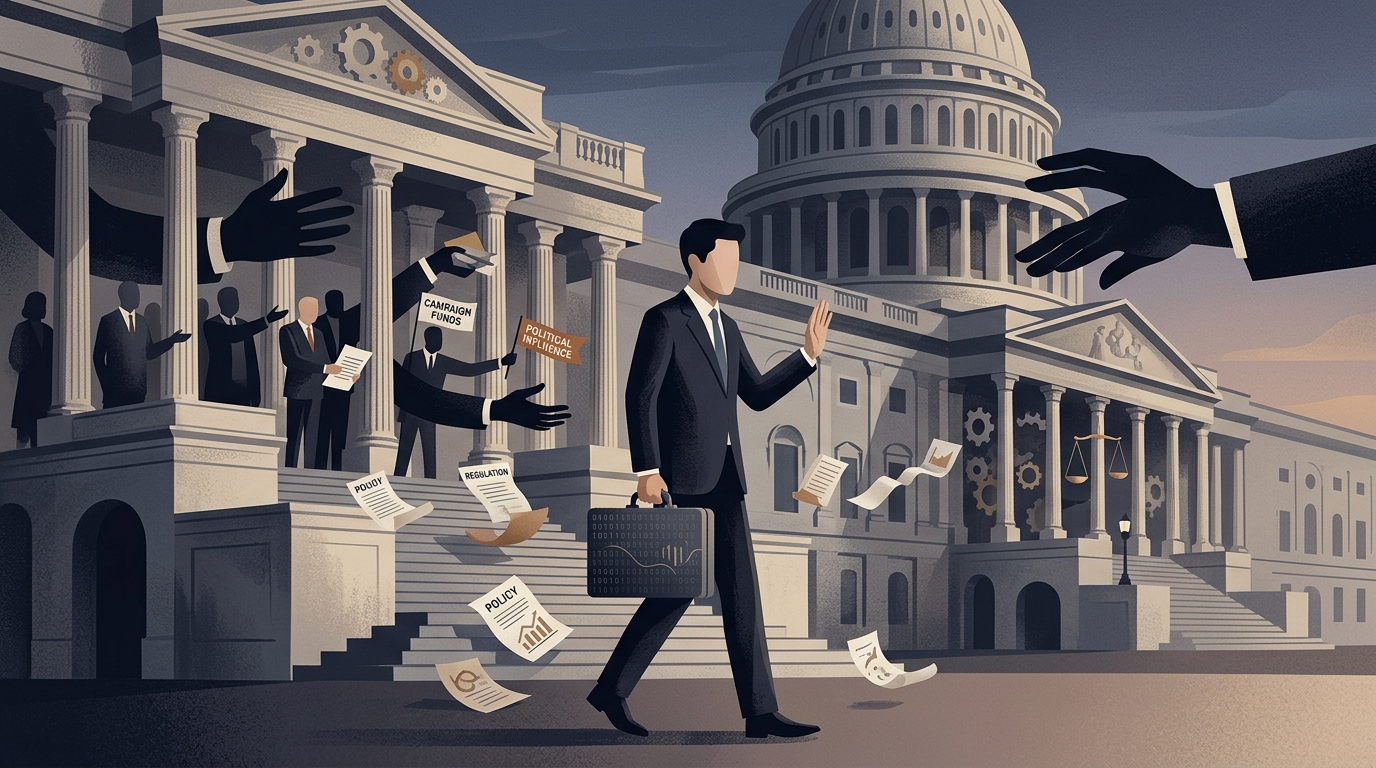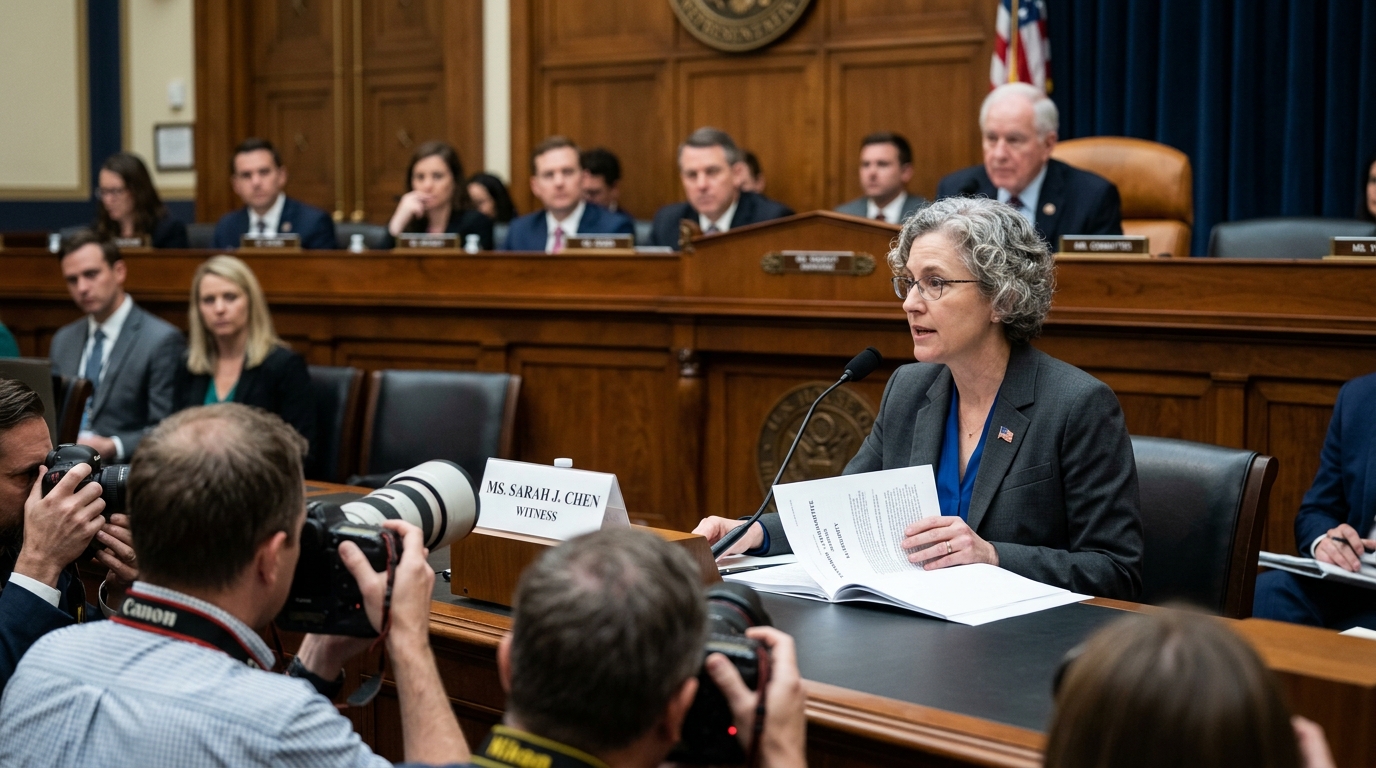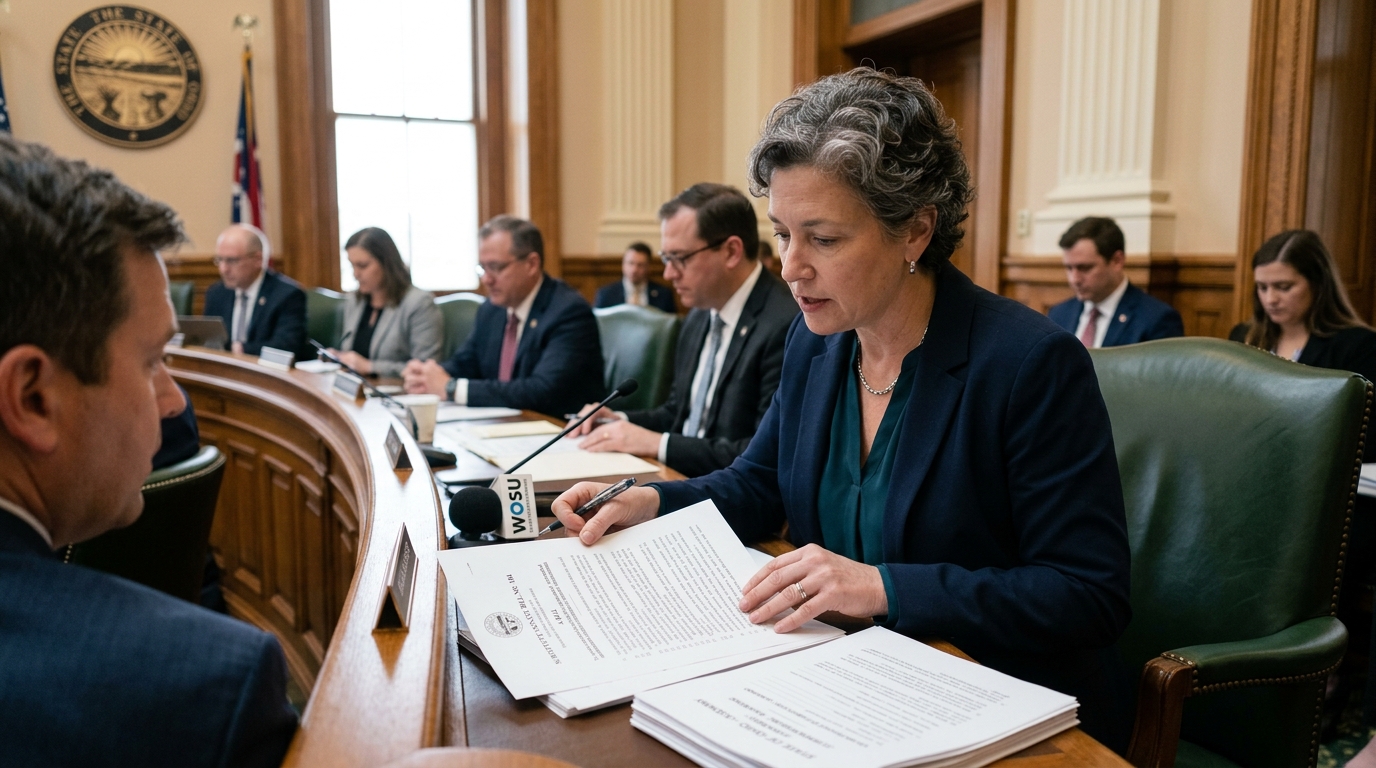
In an era where the boundaries between reality and digital fabrication are becoming increasingly blurred, the state of Ohio is emerging as a leader in the legislative regulation of Artificial Intelligence (AI). As we move through May 2026, lawmakers in Columbus are intensifying their efforts to establish a rigorous framework for controlling content generated by algorithms, focusing primarily on protecting electoral processes and human dignity. This move is not merely a local initiative but a reflection of a broader concern across the United States regarding the lack of federal guidance on matters of digital truth.
Shielding Democracy from Deepfakes
The core of the new legislation lies in addressing so-called "deepfakes" within the political arena. The proposed regulations require full and clear disclosure of any content that has been produced or significantly altered by AI in political advertisements. This regulation aims to prevent the deception of voters through videos or audio clips that depict candidates saying or doing things that never happened. Lawmakers are proposing a 90-day "ban window" or mandatory labeling period before elections, a time when the influence of misinformation can be fatal to the outcome.
The concern is far from theoretical. In previous election cycles, we witnessed instances where AI-generated audio files were used to discourage minority groups from heading to the polls. Ohio, a state of critical importance on the political map, seeks to create a legal bulwark that allows for freedom of speech while punishing deliberate deception. Penalties under consideration include heavy fines for campaigns and, in some cases, criminal prosecution for the creators of the content.
Protecting Privacy and Digital Bodily Integrity
Beyond politics, Ohio’s legislative initiative touches on the highly sensitive issue of non-consensual AI-generated pornographic content. This is a scourge that primarily affects women and minors, destroying lives at the click of a button. The new law seeks to provide victims with the legal tools to sue not only the creators but also the platforms that refuse to remove the content in a timely manner.
This aspect of the legislation recognizes that our digital presence is now an extension of our physical selves. Violating someone’s image through algorithms is now considered a form of digital violence. The challenge, of course, remains the identification of perpetrators, as AI allows for anonymity and the rapid dispersal of content from servers outside of Ohio’s jurisdiction. However, the legal clarity offered by the state is a significant first step in creating legal precedent.
The Clash with the First Amendment and Tech Giants
As expected, this effort is not without its detractors. Civil liberties organizations warn that overly strict regulations could stifle satire and parody—forms of speech protected by the First Amendment of the U.S. Constitution. Where does creative expression end and malicious misinformation begin? This is the fine line that Ohio’s judges and lawmakers are being asked to walk.
At the same time, Big Tech companies are expressing concerns about the "patchwork" of regulations being created across the U.S. With each state enacting its own rules, compliance becomes a nightmare of cost and bureaucracy. Industry representatives are calling for a unified federal framework; however, Congress in Washington remains dysfunctional and divided. Ohio, refusing to wait, is taking matters into its own hands, sending a message that technological progress cannot precede social responsibility. The success or failure of these measures will largely determine what digital governance looks like in the years to come.