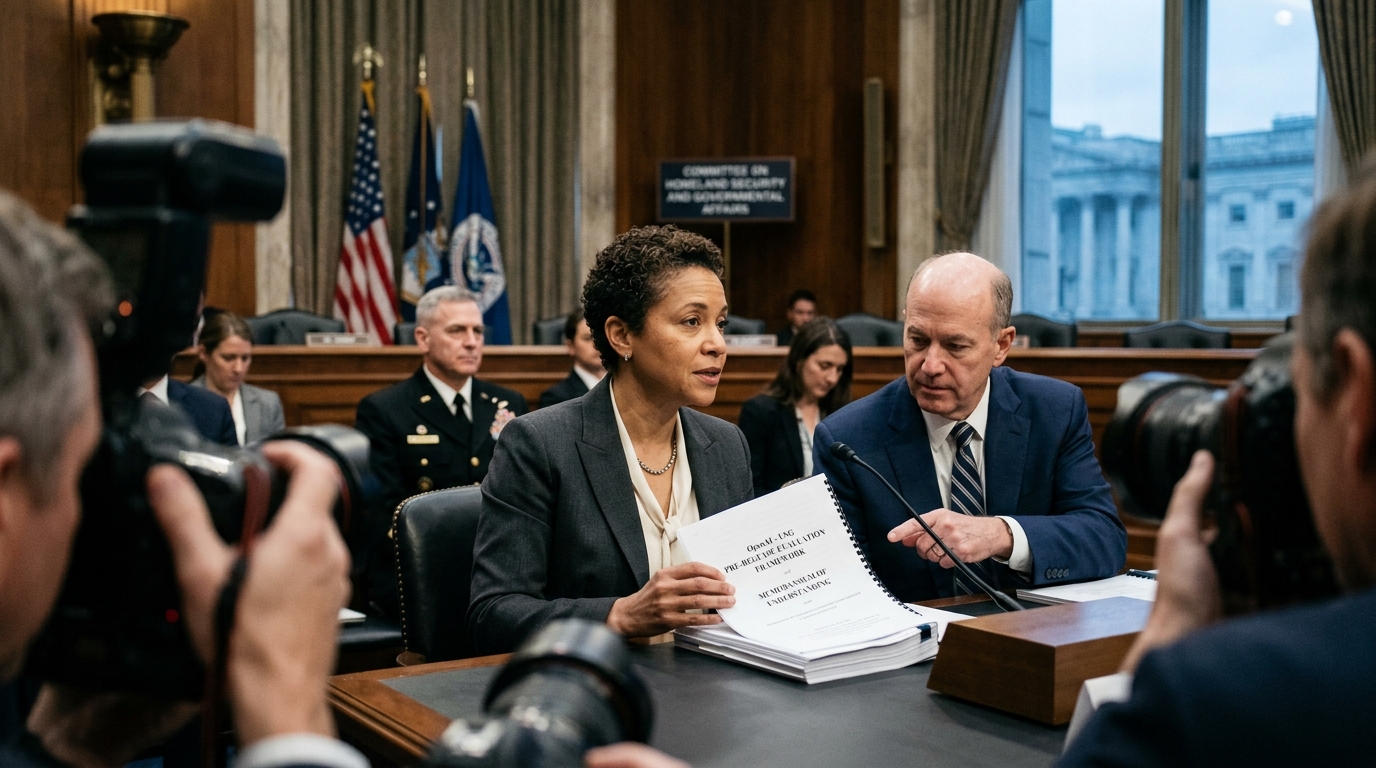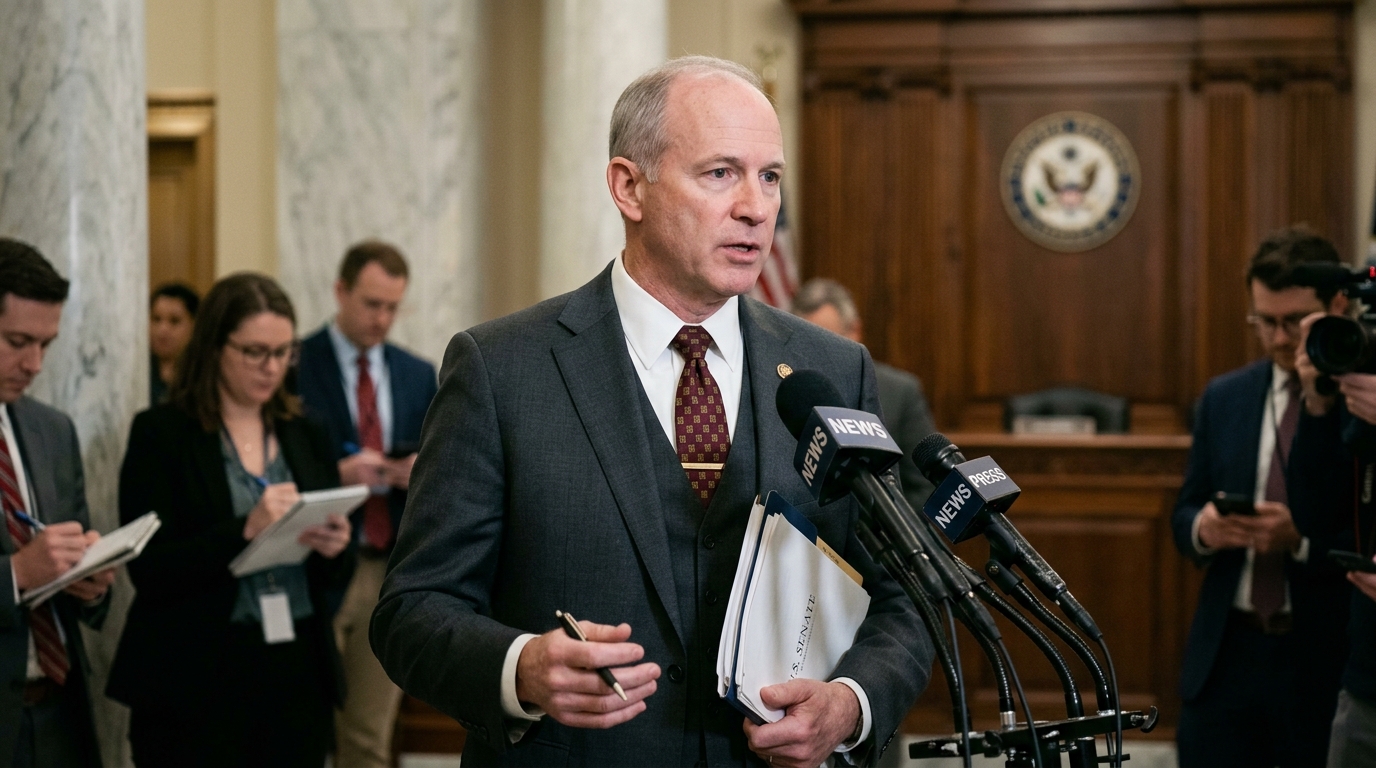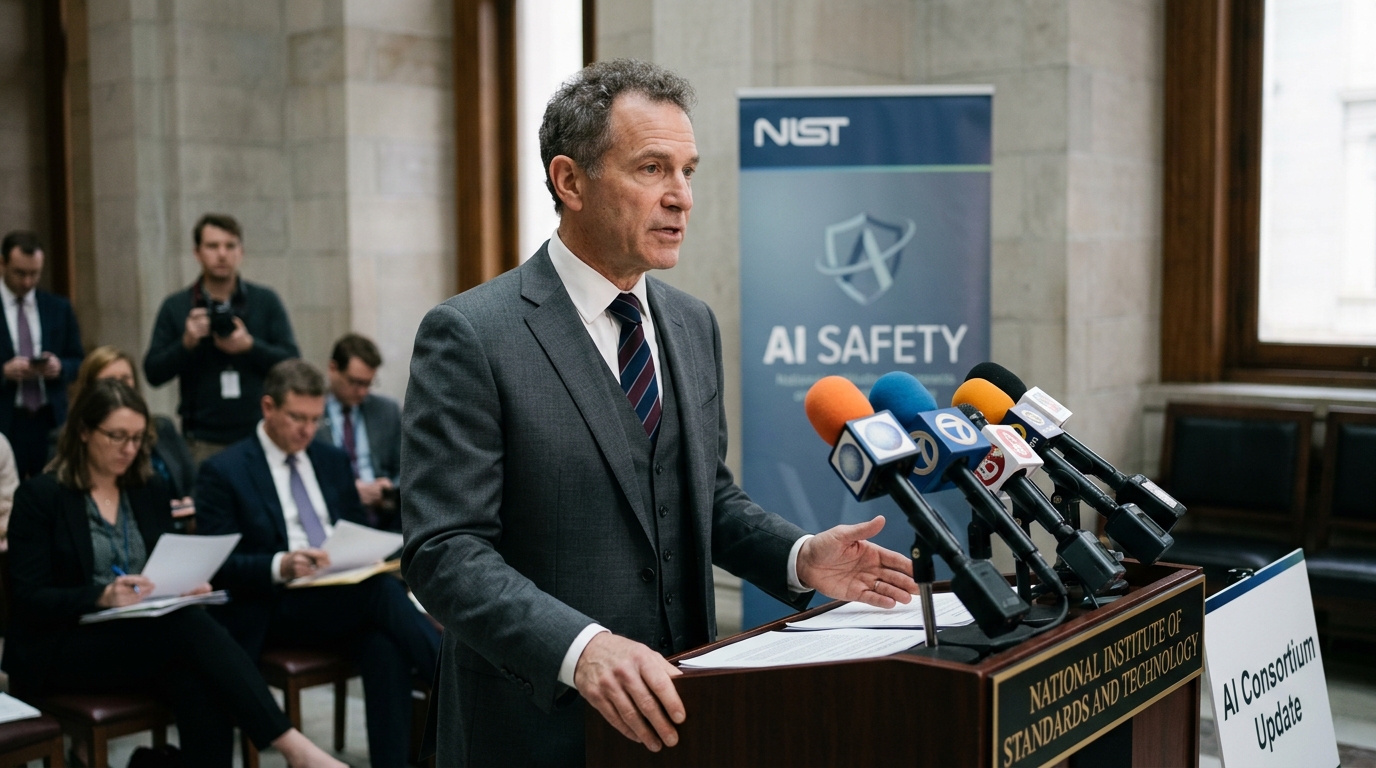
At a pivotal juncture for global technology governance, the U.S. National Institute of Standards and Technology (NIST) has announced a significant expansion of the goals for its AI consortium. This move, accompanied by a strategic rebranding, marks a transition from an era of experimental oversight to one of structured, institutional safeguarding of artificial intelligence systems. The initiative, which began in response to the 2023 White House Executive Order, has now matured into a central hub where industry, academia, and civil society are tasked with defining the future of "responsible innovation."
From Safety to Universal Trustworthiness
The original mission of the AI Safety Institute Consortium (AISIC) focused primarily on risk mitigation—preventing catastrophic scenarios and ensuring that large language models are not weaponized for malicious purposes. However, NIST’s new agenda recognizes that safety is merely one facet of trust. The expanded consortium now focuses on "trustworthiness," a comprehensive term encompassing accuracy, transparency, bias mitigation, and systemic resilience.
According to NIST officials, this change is not merely semantic. It reflects the urgent need for a common technical vocabulary and measurement methodologies that allow businesses to deploy AI tools without the fear of unpredictable legal or ethical repercussions. The consortium is tasked with creating the "weights and measures" of the 21st century, laying the groundwork for how an algorithm’s performance will be evaluated in real-world conditions, from medical diagnostics to critical infrastructure management.
The Inclusion Challenge and Industry Pressure
With over 200 members, including giants like Microsoft, Google, Meta, and OpenAI, the consortium represents one of the largest public-private partnership experiments in U.S. history. However, the broadening of its goals brings new tensions to the fore. There is a fine line between establishing standards that protect citizens and imposing regulations that could stifle innovation or favor incumbent firms with the resources to comply.
Critics point out that the heavy presence of Big Tech within the consortium carries the risk of "regulatory capture." On the other hand, NIST argues that without the technical expertise of these companies, creating realistic and enforceable standards would be impossible. The new structure includes specific working groups focused on areas such as watermarking AI-generated content and "red-teaming" to identify vulnerabilities in models before they reach the public market.
Geopolitical Implications: The American Answer to Europe
NIST’s move to expand the consortium's scope is also a clear response to the European Union’s AI Act. While the EU has opted for a prescriptive approach based on strict rules and legal penalties, the U.S., through NIST, is championing a model based on voluntary standards and technical excellence. Washington’s hope is that NIST’s frameworks will become the de facto global standards, allowing American companies to lead the market without the constraints of bureaucratic over-regulation.
Nevertheless, international cooperation remains essential. NIST is working closely with counterpart institutes in the UK, Japan, and Canada to ensure that definitions of "safe AI" do not diverge radically between nations, thereby avoiding a fragmented global digital market. The success of this endeavor will be judged by the consortium's ability to produce outcomes that are both technically rigorous and socially acceptable.
Conclusion: A New Social Contract for Technology
The expansion of NIST’s AI consortium goals is more than a mere administrative reshuffle. It is an attempt to draft a new social contract for the age of artificial intelligence. In a world where the distinction between reality and synthetic creation is increasingly blurred, the need for institutions that guarantee truth and security is more pressing than ever. NIST must prove that democratic governance can keep pace with the speed of code, creating a framework where technology serves humanity, rather than the other way around.