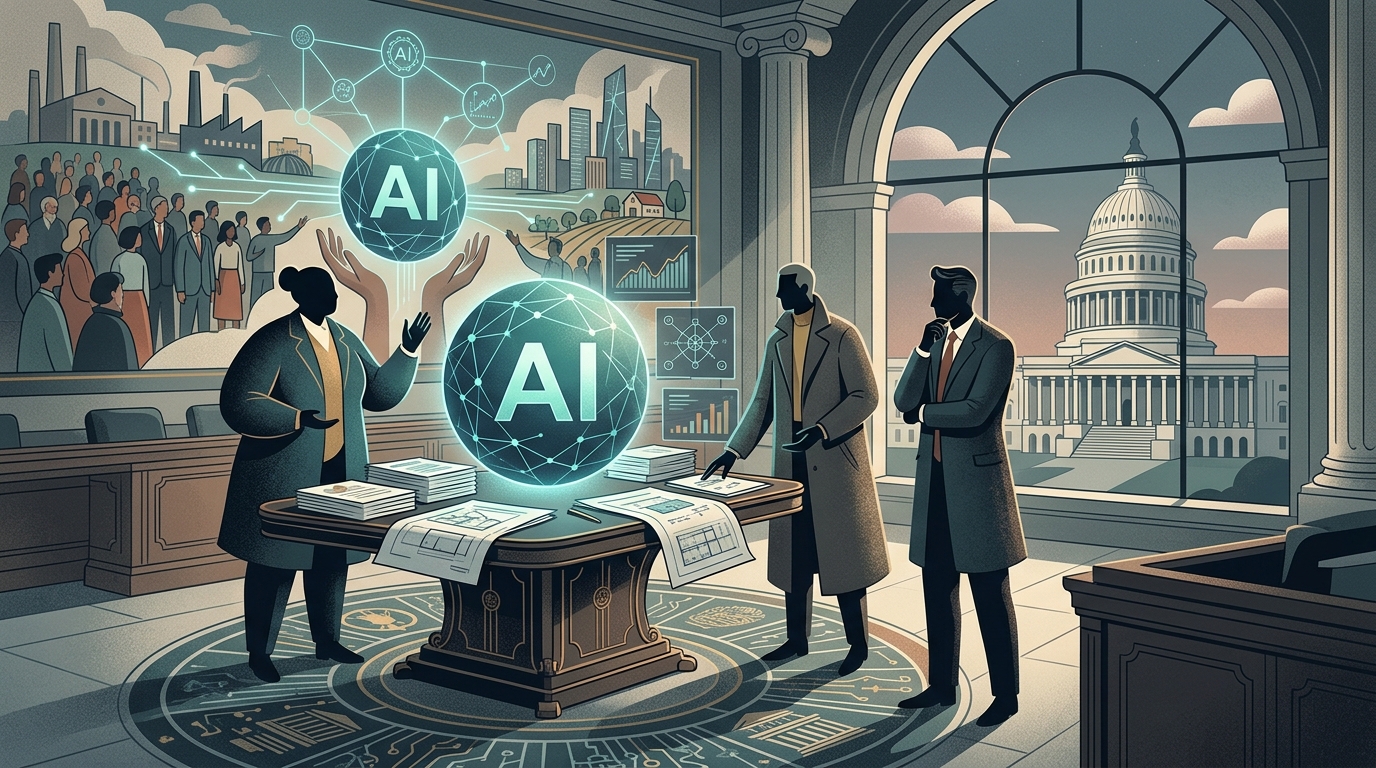
In the corridors of power in Albany, New York, a new legislative initiative is attempting to answer one of the most pressing questions of the digital age: How many jobs are actually being lost to Artificial Intelligence? While Silicon Valley promises a new era of unprecedented productivity, workers in sectors ranging from customer service to legal analysis see their futures becoming increasingly uncertain. The recently introduced bill does not seek to halt technological progress, but rather to impose transparency on a process that has so far unfolded in the shadows of corporate balance sheets.
The Need for Data in an Era of Speculation
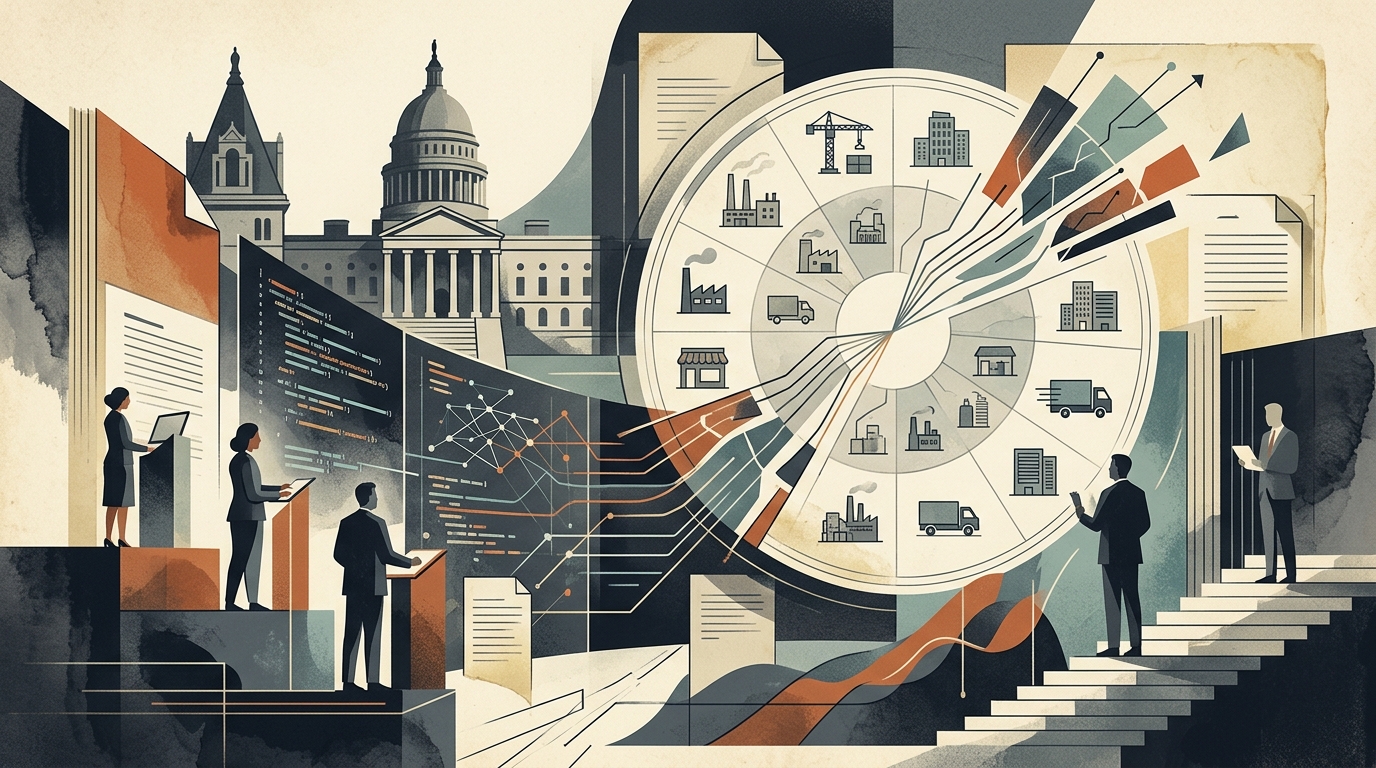
To date, the debate over AI job displacement has relied primarily on academic studies and think-tank projections. Goldman Sachs has estimated that up to 300 million jobs worldwide could be affected, while the IMF warns of rising inequalities. However, in practice, AI-driven layoffs are often disguised behind generic terms like "restructuring" or "operational optimization." The New York bill (S9171/A10103) aims to change this status quo by requiring state agencies to track and report specifically how the adoption of AI is impacting employment rates across various industries.
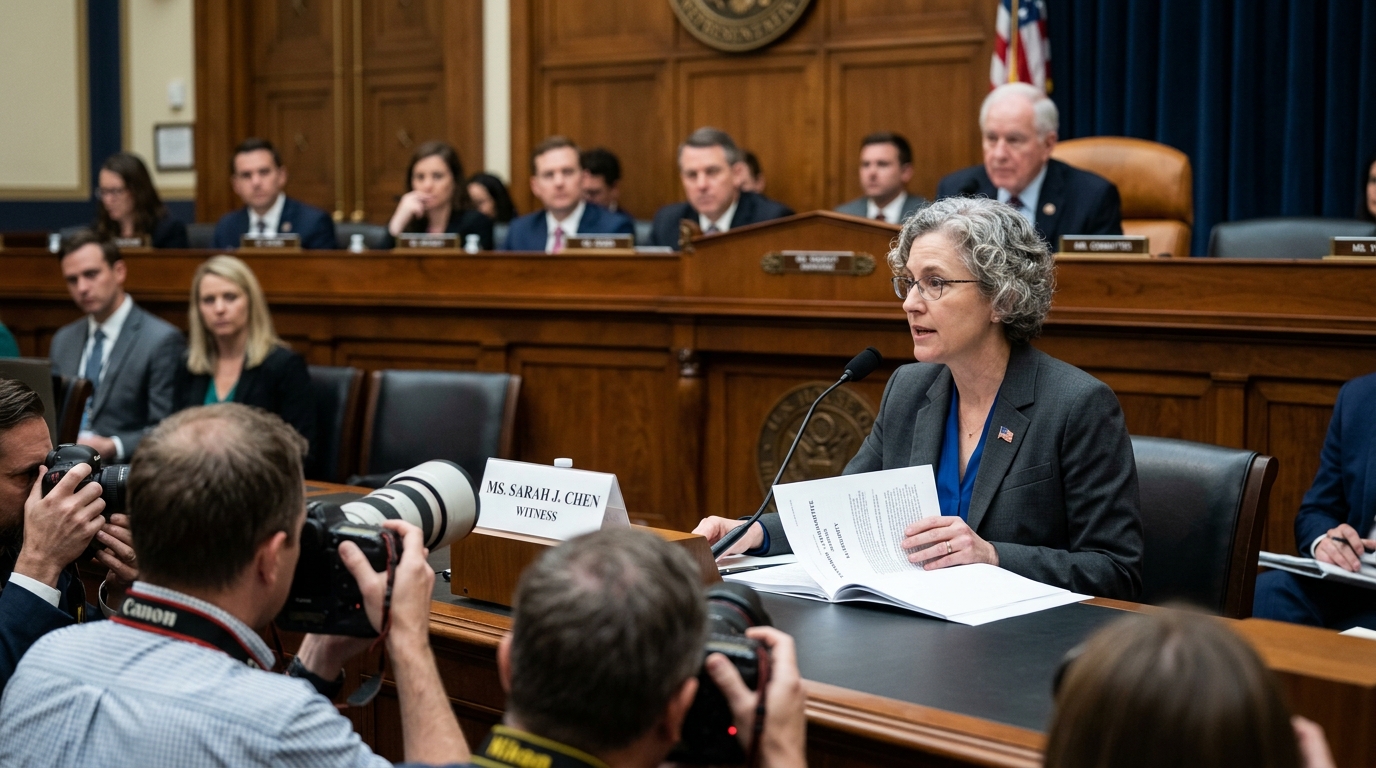
The bill's sponsor, State Senator Kristen Gonzalez, argues that we cannot craft policy in a vacuum. "We hear stories about people being replaced by algorithms, but we don't have the central mechanism to understand the scale of the phenomenon," she said in a recent interview. Collecting this data is seen as the first step toward creating a safety net that could include retraining programs, transition benefits, or even tax adjustments for companies that undergo massive automation of labor.
Beyond Automation: The Quality of Work
The bill focuses not only on the complete elimination of jobs but also on "algorithmic management." Many workers who remain in their positions find that their roles have fundamentally changed. AI hasn't replaced them, but it has become their supervisor, dictating the pace of work and evaluating performance through opaque metrics. New York seeks to capture this dimension as well, examining how technology affects wages and working conditions.
- Identifying industries with the highest frequency of worker displacement.
- Evaluating the effectiveness of existing vocational training programs.
- Creating an annual report to guide state investment in education.
- Pressuring the private sector for greater transparency in automation processes.
The reaction from the business community has been predictably cautious. While tech giants maintain that AI will create more jobs than it destroys, historical experience from previous industrial revolutions shows that the transition period can be painful and last decades. Critics of the bill fear that excessive bureaucracy could discourage innovation in New York State, pushing companies toward more "tech-friendly" jurisdictions.
Political Conflict and the Future of Labor Law
New York's move is not an isolated event but part of a broader trend. The European Union, through the AI Act, has already set strict rules for the use of AI in "high-risk" areas, including employment. In the US, however, federal legislation is moving slowly, leaving it to states to protect their citizens.
"Technology is not destiny. It is a choice we make as a society. If we allow AI to erode the middle class without any oversight, we will be responsible for the social instability that follows," argue labor unions supporting the bill.
In conclusion, the New York bill serves as a wake-up call. Measuring the impact of AI on labor is the minimum a modern state can do to ensure that the "fourth industrial revolution" does not leave behind an army of marginalized citizens. The success or failure of this initiative will serve as a compass for how democratic societies manage the most disruptive technology of the 21st century.