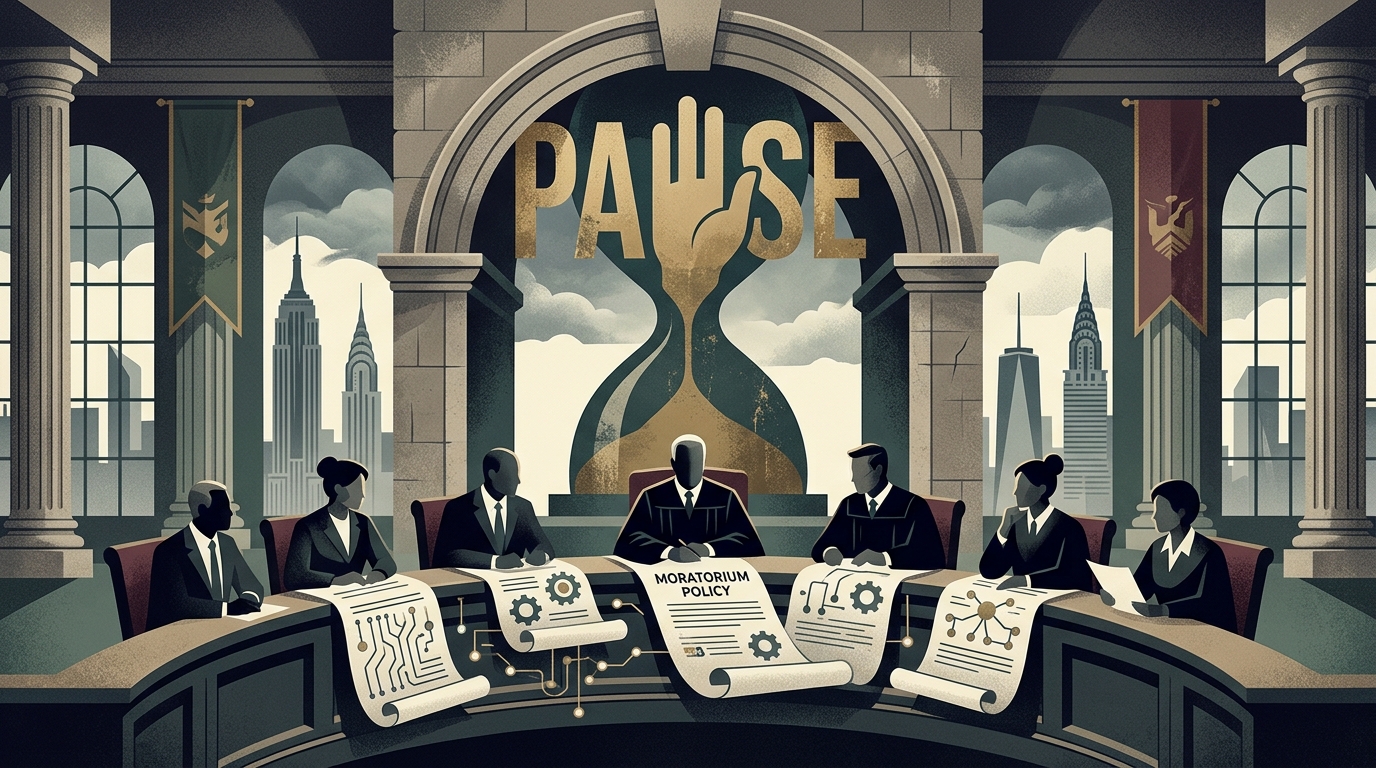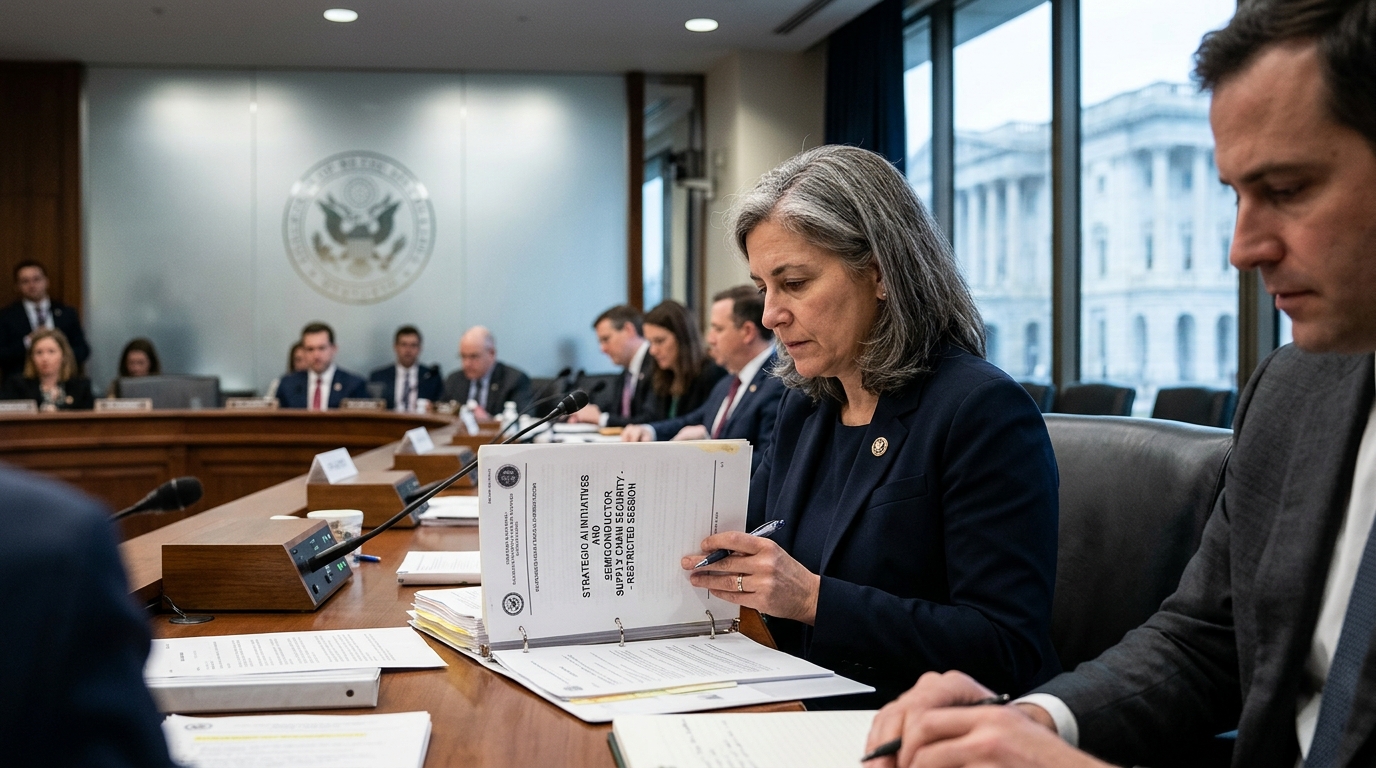
As of June 2026, the global geopolitical landscape is entering a new, more volatile phase. The recent executive directive from the U.S. government, as analyzed by the law firm McDermott Will & Emery, represents more than a mere bureaucratic update; it is a fundamental shift in doctrine. Artificial Intelligence (AI) is no longer being treated primarily as a tool for economic growth or social progress; it has officially become a central pillar of national security and American deterrent power.
This move comes at a time when competition with China and other emerging powers has shifted from trade disputes to a battle for technological hegemony. The new directive tightens the framework surrounding "dual-use" models—technologies that, while possessing commercial applications, can just as easily be repurposed to engineer biological weapons, execute large-scale cyberattacks, or optimize kinetic military operations on the battlefield.
From Ethics to Survival
For years, the discourse around AI centered on "ethics" and "user safety." However, Washington’s new direction indicates that priorities have shifted toward strategic survival. The state is now taking an active role in overseeing large language models (LLMs) and computational power, treating them as strategic resources akin to oil or uranium. The directive mandates that tech companies share their safety test results directly with the Department of Defense and the Department of Commerce, often bypassing the traditional, slow-moving public consultation processes.
The analysis by McDermott Will & Emery highlights that this pivot creates a "defensive moat" around American innovation. Export controls on high-end chips and the prohibition of investments in foreign entities developing military AI are now the standard. The logic is simple yet stark: technological superiority is the only guarantee of national sovereignty in the 21st century.
The Weaponization of Innovation
One of the most controversial aspects of the new policy is the deep integration of AI into the Pentagon’s command and control chains. The directive encourages the rapid adoption of autonomous systems, provided they adhere to specific safety protocols. This marks the end of the hesitation that characterized the previous five years. Washington appears to have concluded that if it does not weaponize AI in a responsible manner, its adversaries will do so without any restraint or oversight.
- Imposition of strict controls on training data that could assist in the development of weapons of mass destruction.
- Establishment of a "safe harbor" for companies that collaborate closely with national security agencies, offering them billions in government contracts.
- Strengthening the protection of critical infrastructure (power grids, water supplies) through AI systems capable of predicting and preventing sabotage.
Implications for the Private Sector
For Silicon Valley firms, this new reality is a double-edged sword. On one hand, government funding for national security programs is skyrocketing. On the other, the freedom to operate in the global market is becoming increasingly restricted. Legal advisors warn that compliance with these new requirements will demand significant resources and a total overhaul of how AI models are developed and deployed.
"We are no longer in the era of 'move fast and break things.' We are in the era of 'move fast and protect the state'," the analysis notes.
In conclusion, the new U.S. executive directive marks the end of innocence for Artificial Intelligence. This technology is no longer a sandbox for developers and entrepreneurs; it is the central instrument of global power projection. Allies, including the EU, must closely monitor these developments, as Western security is now inextricably linked to the control of algorithms and the silicon that powers them.