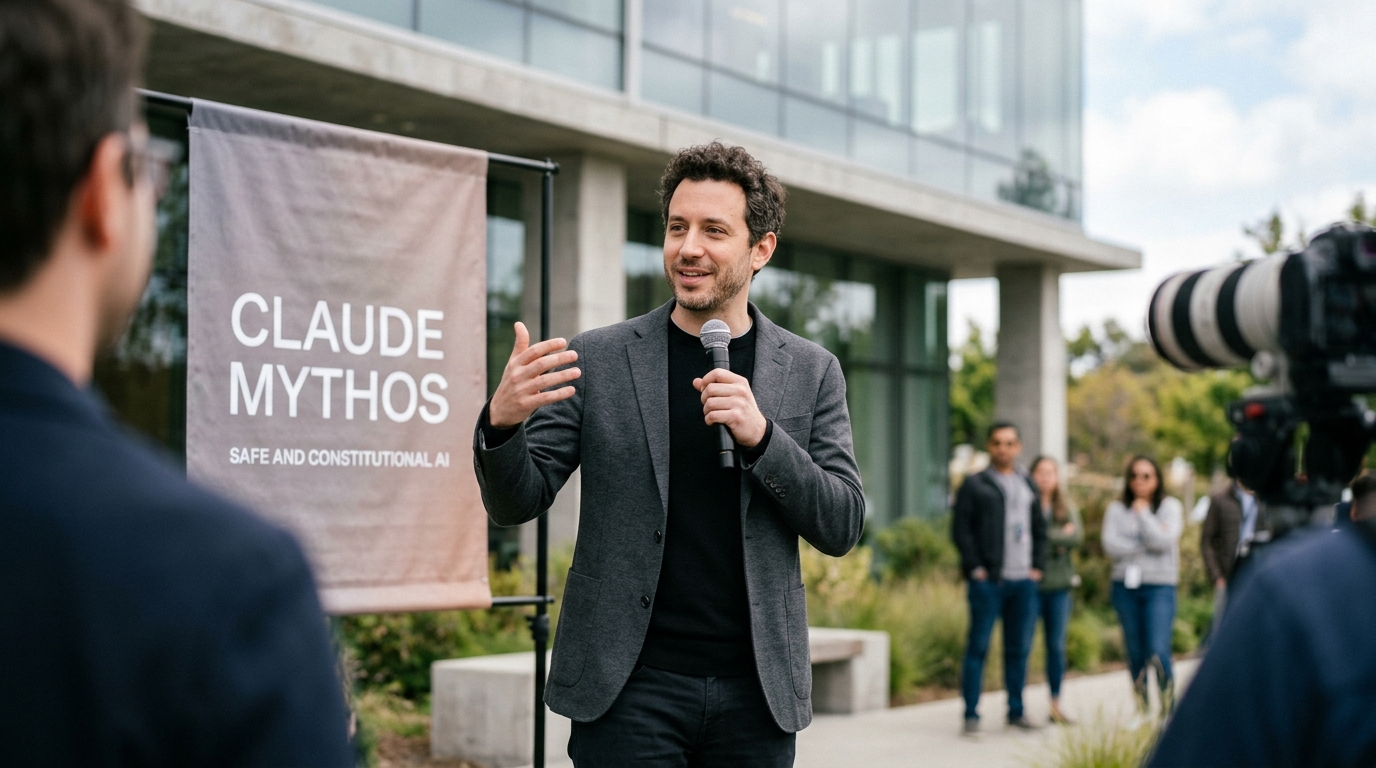
In the mid-summer of 2026, the battle for AI supremacy is no longer fought solely on the grounds of parameter counts and raw compute. The new frontier is trust. Anthropic, the safety-first AI lab founded by former OpenAI executives, has taken a definitive step forward with the public release of Claude Mythos. This model represents a pivotal moment in the industry: an attempt to democratize a system that is simultaneously more powerful than its predecessors and more strictly governed by a digital 'constitution.'
The Philosophy of Constitutional AI
Claude Mythos is not merely an incremental update to the Claude 4 lineage. It is built upon a refined architecture Anthropic calls 'Recursive Constitutional Alignment.' Unlike traditional models that rely heavily on Reinforcement Learning from Human Feedback (RLHF)—a process often criticized for being inconsistent and prone to 'reward hacking'—Mythos was trained using a set of explicit principles. The model uses these principles to self-evaluate its outputs in real-time.
This approach seeks to solve the 'safety illusion.' Many current AI models appear safe during testing but fail when faced with complex, adversarial prompts in the real world. Mythos, according to Anthropic, possesses an internalized ethical compass. It refuses harmful requests not because a human trainer told it to in a specific instance, but because the request violates its core operational principles.
Performance and Enterprise Adoption
Despite the heavy emphasis on safety, Claude Mythos does not compromise on performance. In benchmark tests, the model outpaces its rivals in complex reasoning, legal document analysis, and sophisticated coding tasks. Its ability to handle massive context windows—exceeding 1.5 million tokens—makes it a formidable tool for enterprises needing to process entire document libraries in a single prompt.
- Advanced Reasoning: Mythos can solve PhD-level mathematics and physics problems with a 94% accuracy rate.
- Multimodality: Image and video analysis are natively integrated, allowing for the interpretation of complex architectural blueprints and technical workflows.
- Bias Mitigation: Anthropic claims a 40% reduction in algorithmic bias compared to the previous generation, thanks to its new alignment techniques.
For the corporate world, 'safety' is a synonym for 'reduced liability.' In an era of escalating lawsuits over copyright infringement and AI-generated misinformation, Claude Mythos offers a level of predictability that banks, pharmaceutical giants, and government agencies find indispensable. The model is designed to be 'boring' when it needs to be, preventing the erratic behavior that has plagued other large language models.
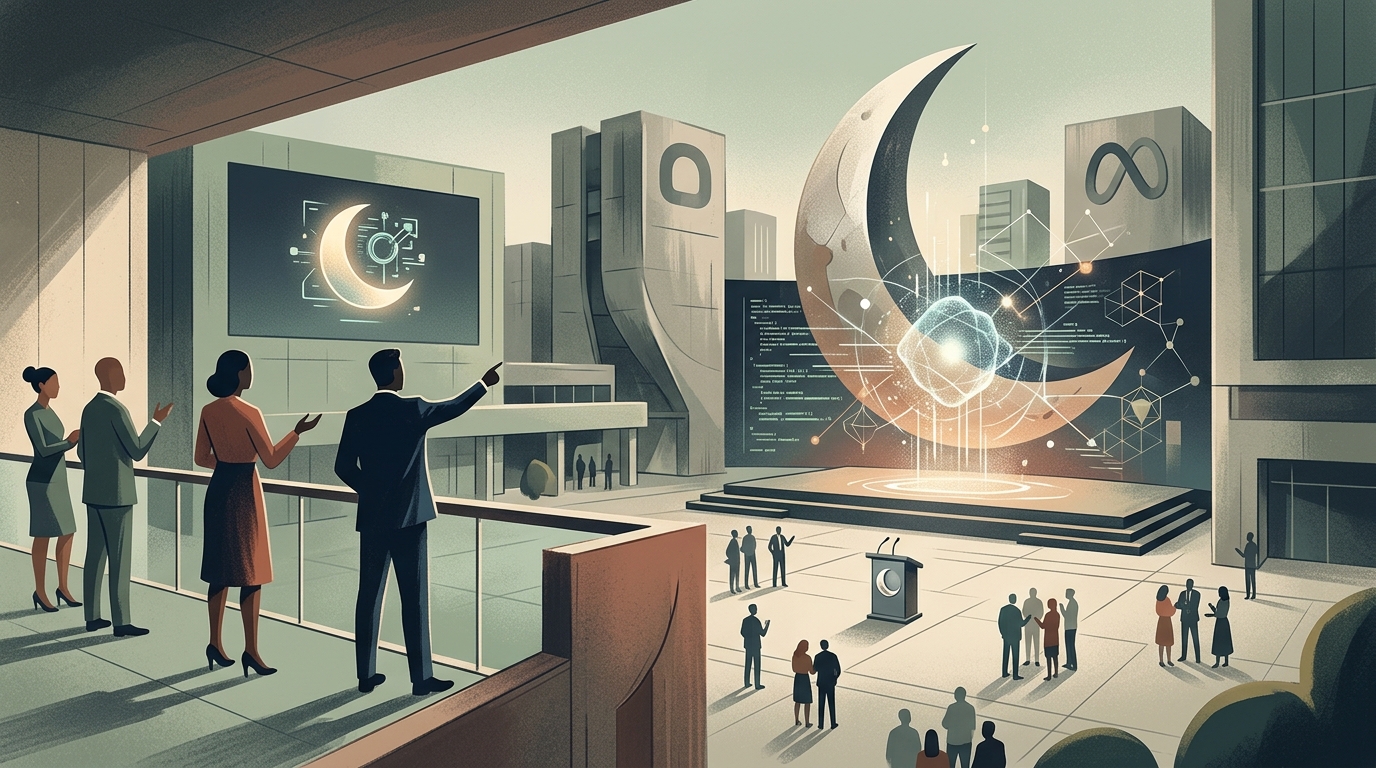
"We aren't just building a tool; we are building a partner that understands human values at the deepest possible level," Anthropic's leadership stated during the launch event.
Criticism and the 'Safety Tax'
However, the release of Mythos has sparked a heated debate within the AI community. Proponents of 'Open AI' and accelerationists argue that Anthropic's safety measures amount to a 'safety tax' on intelligence. There are reports of the model being overly cautious, refusing to engage with creative prompts that it deems even slightly controversial. This 'sanitization' of AI, some argue, stifles innovation and limits the model's utility as a creative partner.
Furthermore, there is the geopolitical dimension. The 'constitution' guiding Claude Mythos is largely rooted in Western, liberal democratic values. As the model scales globally, it faces the inevitable question: Whose values are being encoded? While Anthropic has launched the 'Collective Constitutional AI' initiative to involve diverse global perspectives, the core decision-making process remains centralized within its San Francisco headquarters.
Conclusion
Claude Mythos represents a vision of the future where AI is not an unpredictable 'digital god' but a disciplined assistant. Its success will be measured by its ability to balance rigorous ethics with practical utility. In a world hungry for innovation but terrified of its consequences, Anthropic is betting that safety is the ultimate competitive advantage. Whether the market prefers a 'safe' partner over a 'wild' one remains the defining question of the 2026 tech landscape.