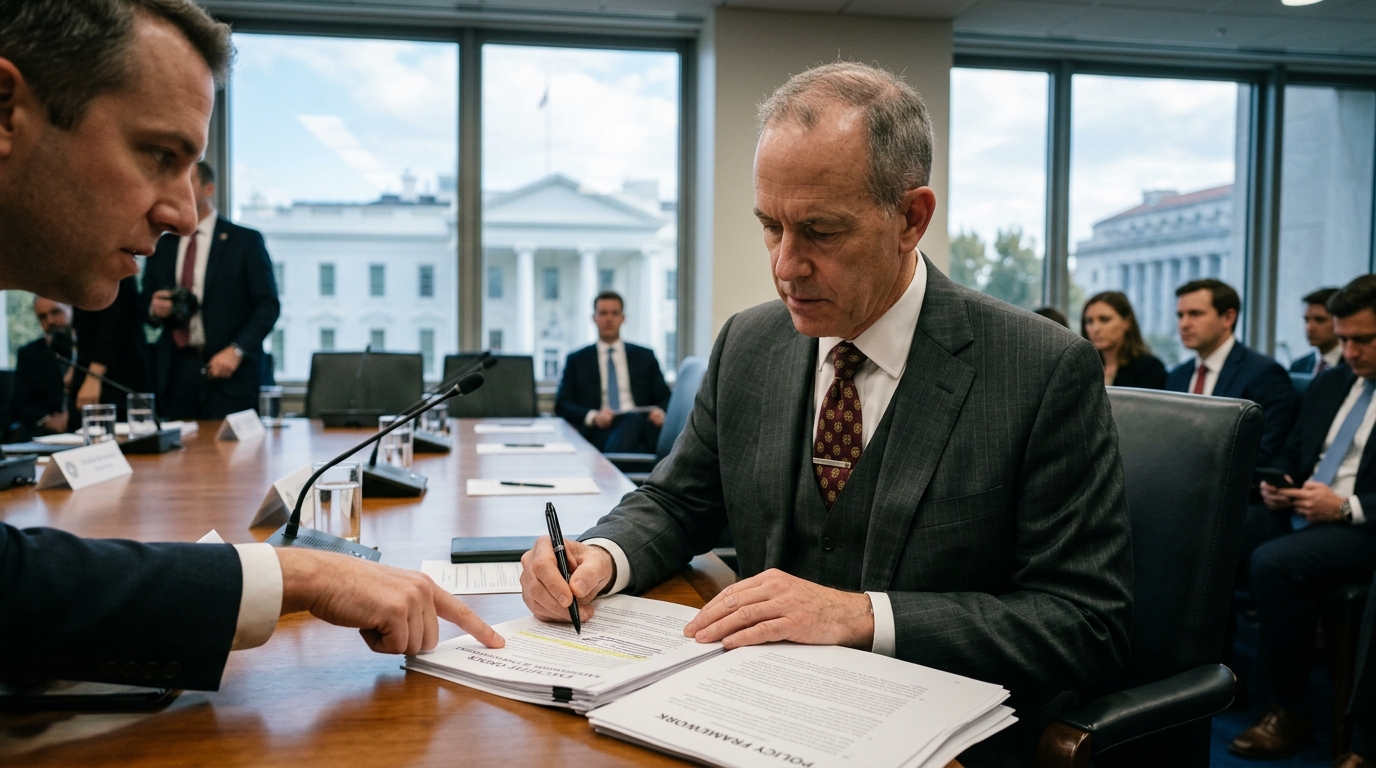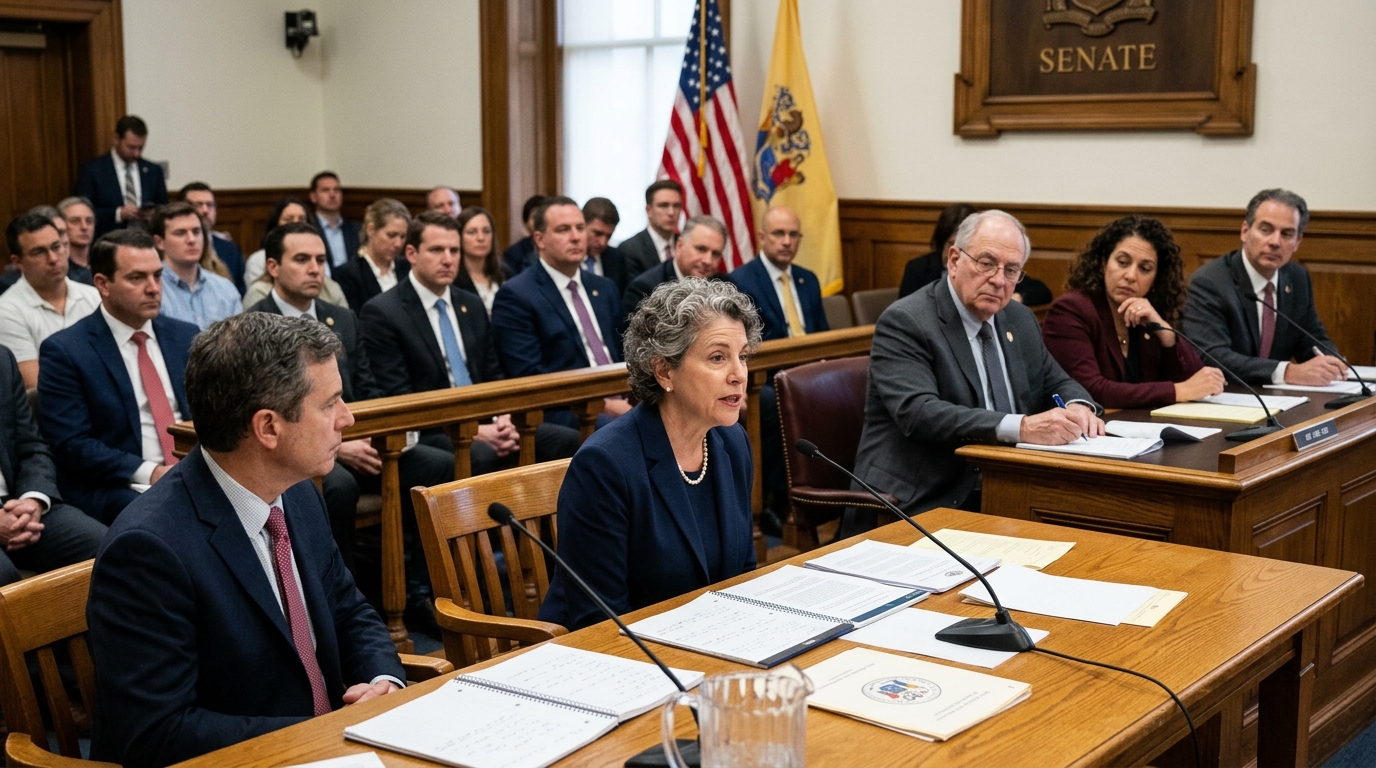
May 25, 2026, will likely go down in history as the moment the digital economy ceased to be a "child of necessity" or a haven for speculators and officially became a pillar of United States national security. The new strategy developed by the Trump administration, in close cooperation with a reshaped Federal Reserve (Fed), marks the most radical shift in monetary policy in decades. At the heart of this change is the creation of the "skinny master account," a tool that allows non-bank cryptocurrency institutions limited but direct access to the Fed's payment systems.
The 'Skinny Master Account' and Institutional Legitimacy
For years, the biggest hurdle for crypto companies was isolation from the traditional banking system. The "skinny master account" aims to solve this. It is a special type of account at the Federal Reserve that allows selected digital asset institutions to settle transactions directly in dollars, bypassing the need for an intermediary commercial bank. This drastically reduces transaction costs and, more importantly, eliminates the counterparty risk that has traditionally plagued the industry.
This move is not merely technical but deeply political. The Fed, under pressure from the new administration, recognizes that the digital economy can no longer be ignored. However, this access comes with strings attached. Institutions obtaining such accounts are subject to rigorous Anti-Money Laundering (AML) and Know Your Customer (KYC) oversight, de facto bringing crypto under central bank control.
The Trump Agenda: Bitcoin as a Strategic Reserve
Parallel to the Fed's moves, Donald Trump is implementing a series of executive orders aimed at making the US the "crypto capital of the world." The most controversial yet impactful proposal is the creation of a Strategic Bitcoin Reserve. Under the plan, the US government will retain Bitcoin seized from illicit activities and begin a gradual process of purchasing additional units, treating the digital currency as "digital gold" that can hedge against national debt.
This strategy has a dual purpose. First, to attract capital and innovation from around the globe, and second, to ensure that the dollar remains the dominant currency in a world where digital assets play an increasing role. Trump has made it clear that the battle for crypto dominance is, in reality, a battle against China’s digital influence and the digital yuan.
Risks and Challenges for the System
Despite market optimism, many analysts warn of the risks of this "great convergence." Integrating crypto into the Fed's system could create systemic risks never seen before. If a major crypto institution with Fed access collapses, the repercussions for the traditional economy would be immediate and potentially catastrophic. Furthermore, the politicization of the Fed through White House mandates raises questions about the central bank's independence.
- Cryptocurrency volatility could transfer to the Fed's balance sheets.
- Strict regulation may lead to centralization, negating the core promise of decentralization.
- Geopolitical competition could lead to a digital-form "currency war."
In conclusion, the new US strategy is a bold experiment. If successful, it will solidify American economic dominance in the 21st century. If it fails, it could open the floodgates for a new financial crisis, where digital assets serve as the catalyst for collapse.