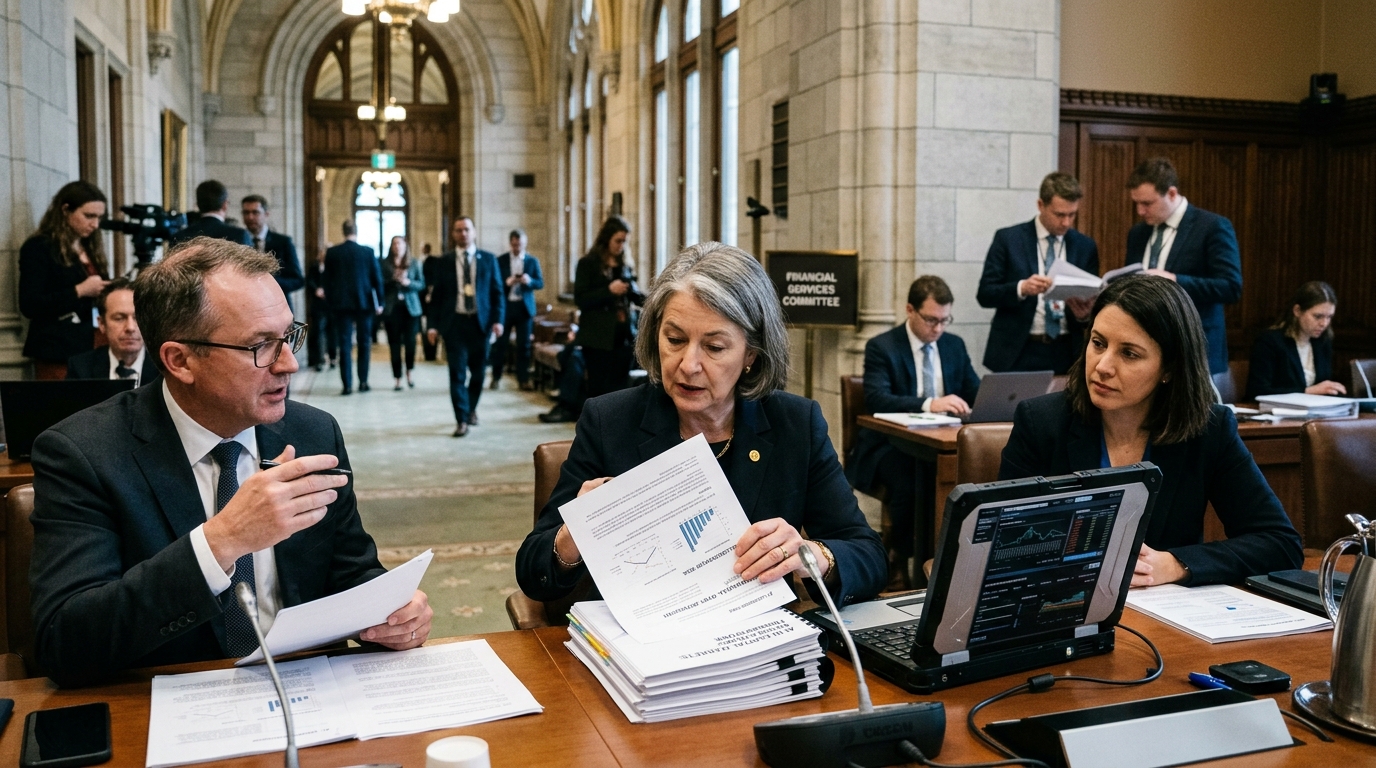
The global economic landscape is at a critical turning point. The era when capital market supervision relied on manual sampling and ex-post data analysis is definitively over. As we navigate the summer of 2026, the digital transition is no longer an option but a mandatory requirement for the survival and credibility of financial systems. Recent analysis highlights how emerging technologies are reshaping the oversight framework, offering tools that just a few years ago seemed like science fiction.
From RegTech to SupTech: The Technological Upgrade of Authorities
Terminology in the financial sector is constantly evolving. While RegTech (Regulatory Technology) refers to the solutions companies use to comply with regulations, SupTech (Supervisory Technology) is the new "weapon" in the hands of regulatory bodies like the Hellenic Capital Market Commission (HCMC). The use of machine learning algorithms now enables the detection of suspicious transaction patterns in real-time, a feat impossible to achieve through human effort alone.
In Greece, the modernization efforts of the HCMC focus on adopting systems capable of analyzing vast volumes of Big Data from the Athens Stock Exchange and over-the-counter (OTC) transactions. The ability to predict and prevent market abuse through AI predictive models represents the "holy grail" of modern supervision. It is not merely about punishing a violation but about ensuring the fair functioning of the market, which is the cornerstone of investor trust.
The MiCA Framework and the Crypto-Asset Challenge
One of the greatest challenges for regulatory authorities worldwide, and specifically within the European Union, is the regulation of crypto-assets. The MiCA (Markets in Crypto-Assets) regulation, now fully operational, requires national authorities to possess the technological infrastructure to monitor blockchain transactions. The transparency offered by Distributed Ledger Technology (DLT) is a double-edged sword: while every transaction is recorded, user pseudonymity requires advanced analytical tools to identify cases of money laundering.
The Capital Market Commission is called upon to play a dual role: on one hand, to protect retail investors from high volatility and potential fraud in the crypto space, and on the other, not to stifle the innovation brought by blockchain technology. The creation of "regulatory sandboxes" is a strategy gaining ground, allowing fintech companies to test their products in a controlled environment under the authority's supervision.
Cybersecurity and Infrastructure Resilience
Modern supervision cannot exist without an emphasis on cybersecurity. The DORA (Digital Operational Resilience Act) regulation sets strict standards for the digital endurance of financial institutions. Regulators no longer just audit balance sheets; they also inspect the IT systems of supervised entities. A cyberattack on a systemic bank or a trading platform can cause systemic risk, shaking the entire economy.
The use of Artificial Intelligence by threat actors to create sophisticated attacks necessitates the defensive use of AI by authorities. Supervision is turning into a constant race for technological superiority. In this context, investing in specialized personnel—the so-called "data scientists of finance"—is just as important as investing in software.
Conclusions for the Future of the Market
The transition to technologically advanced capital market supervision is not a linear process. It requires political will, significant resources, and a cultural shift from both regulators and the regulated. The transparency, speed, and accuracy offered by new technologies can make the Greek capital market more attractive for foreign investment by reducing the risk of opacity.
However, the moral and practical question of the AI "black box" remains. Can a regulatory authority rely entirely on an algorithm to impose fines or suspend a company's operations? Human judgment remains essential for the final evaluation, but technology is now the undisputed companion on this journey toward a more secure financial future.