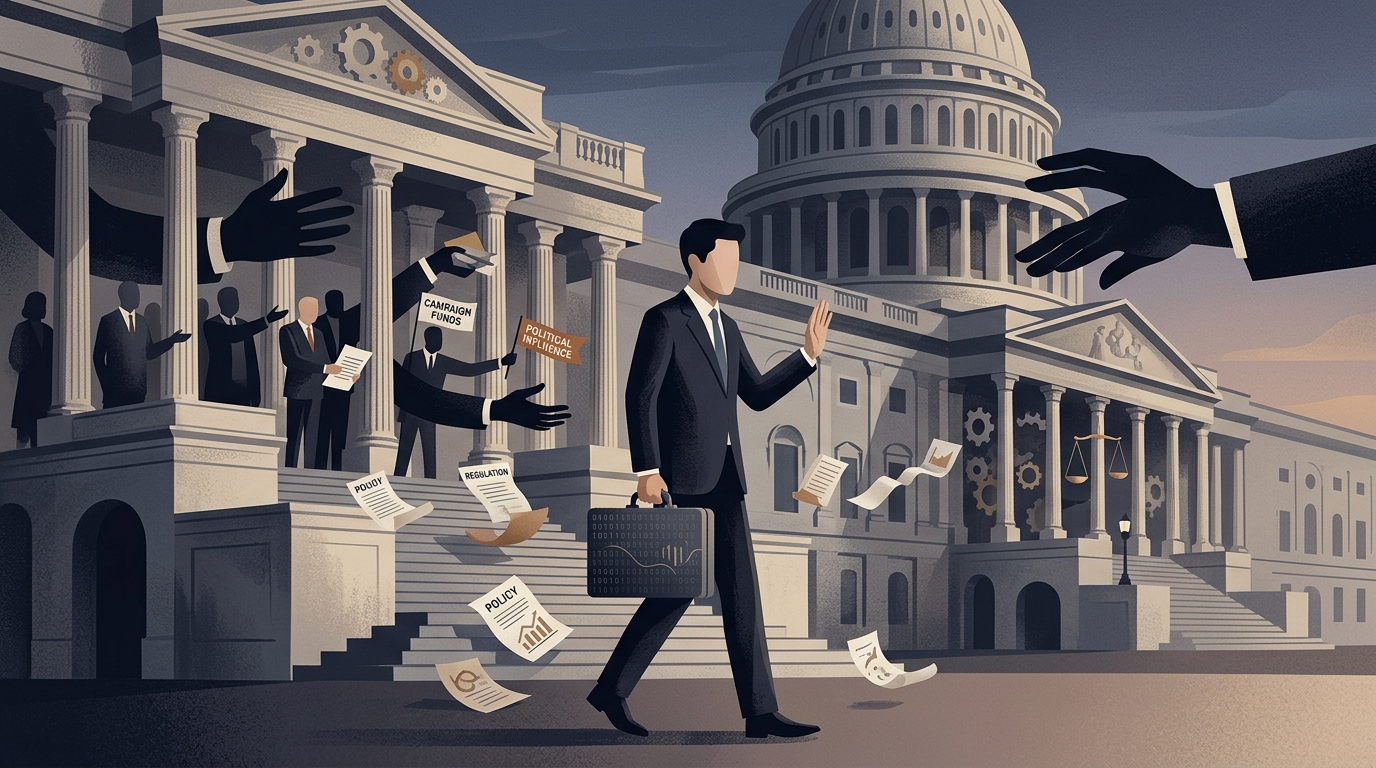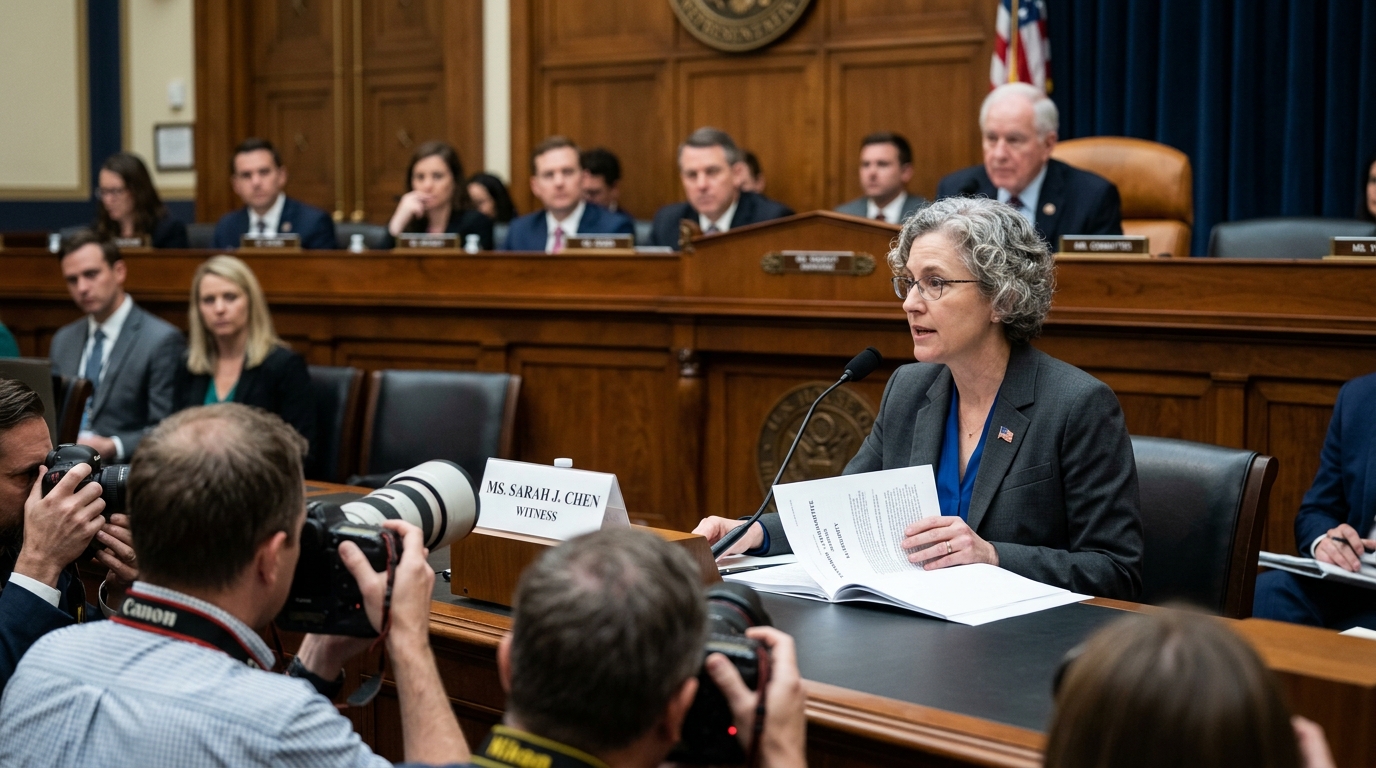
In a decisive moment for the technological future of the West, the United States Congress is moving forward with a series of federal bills aimed at balancing two seemingly conflicting needs: unbridled innovation to maintain global dominance and the urgent necessity for a safety net around the most vulnerable users—children. This move is not merely a domestic policy initiative but a clear response to China's growing influence and public concern over the unpredictable social consequences of Artificial Intelligence (AI).
The Innovation Strategy: The Race for Primacy
The first part of the legislative initiative focuses on strengthening the US AI ecosystem. With the 'Future of AI Innovation Act,' the government seeks to formalize the AI Safety Institute and create new pathways for public-private collaboration. The goal is clear: to ensure that the United States remains the global hub for the development of the most advanced AI models, while avoiding a 'brain drain' and loss of expertise to competing powers.
The legislation provides significant funding for research and development, with a particular emphasis on computing power and access to high-quality data. The establishment of the National AI Research Resource (NAIRR) is a cornerstone of this effort, offering academics and small-to-medium enterprises the resources that, until now, were only available to the tech giants of Silicon Valley. In this way, Washington hopes to democratize innovation within its borders while maintaining central control over safety specifications.
Child Protection: An Ethical Shield Against the Algorithm
Alongside the acceleration of development, the second legislative track, which includes the much-discussed 'Kids Online Safety Act' (KOSA), sets strict limits on how AI platforms and social media interact with minors. Concerns over deepfakes, algorithmic manipulation, and exposure to harmful content have reached a boiling point, forcing lawmakers to act.
- Implementation of a 'duty of care' for tech companies to prevent mental health disorders and exploitation.
- Prohibition of targeted advertising to children via AI algorithms.
- Mandatory parental control tools and transparency regarding recommendation systems.
The challenge here remains the thin line between protection and censorship. While parental organizations welcome the measures, some digital rights advocates fear that strict identity verification and content filtering could harm privacy and freedom of expression online.
Geopolitical Implications and the Conflict with China
We cannot analyze these legislative moves without considering the international environment. Washington perceives AI not just as an economic tool, but as the ultimate instrument of power in the 21st century. Promoting American leadership in AI is directly linked to national security. If the US manages to set the global standards for AI ethics and safety, it will force the rest of the world to follow its model, isolating more authoritarian approaches.
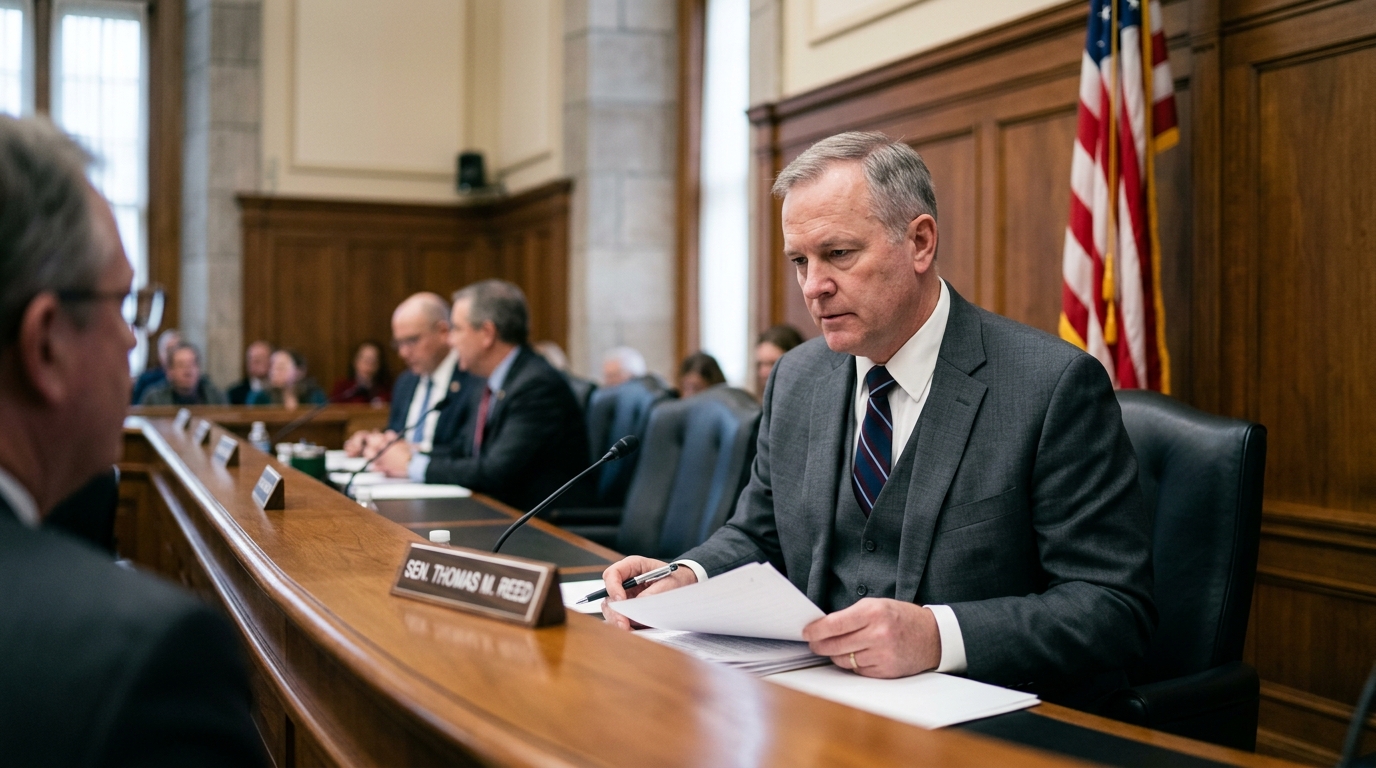
"Artificial intelligence is the new arena for democracy. If we do not define it, those who do not share our values will," a member of the Senate Commerce Committee remarked.
In conclusion, the new bills represent an attempt by the US government to regain control from Big Tech while laying the groundwork for sustained growth. The success of these measures will be judged by the federal machine's ability to monitor rapid technological changes without becoming a bureaucratic hurdle that pushes innovation to other continents.