In today's political landscape, the concept of democracy is frequently conflated with market freedom. However, a deeper analysis reveals a fundamental contradiction: neoliberalism, as the dominant economic and social paradigm of recent decades, appears to function not as a complement, but as a corrosive agent to the democratic process. The recent intervention by Pedro Olalla and the analysis by Naftemporiki hit the nail on the head, suggesting that the democratic process itself has been weaponized to establish regimes with totalitarian characteristics, where economic power supersedes political will.
The Marketization of Political Will
Neoliberalism is not merely a set of economic policies; it is an ontology that redefines the human being as 'homo economicus.' In this framework, every aspect of human activity—from education and healthcare to political participation itself—is evaluated in terms of profitability and efficiency. When democracy is subordinated to market logic, the citizen ceases to be a bearer of rights and is transformed into a consumer of services. The vote is relegated to a choice between similar political 'brands,' funded by the same economic elites.
- The weakening of labor unions and collective bodies.
- The transfer of decision-making from elected bodies to unelected technocrats.
- The privatization of public goods that form the basis of social cohesion.
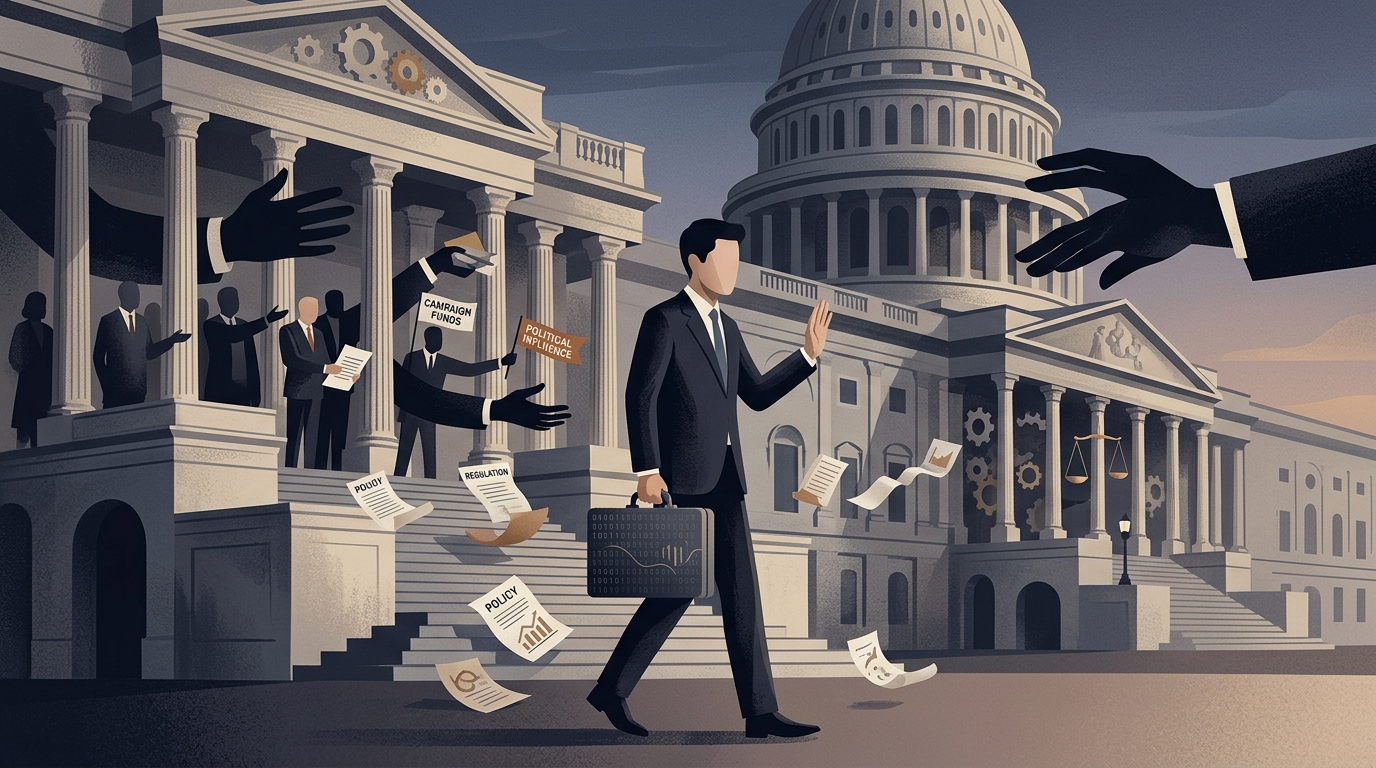
- The dominance of lobbying in the legislative process.
This process leads to what sociologist Colin Crouch termed 'Post-Democracy,' a state where the institutions of democracy remain intact, but their essence has been hollowed out. Elections are held, governments change, but the economic agenda remains immutable, trapped by the dictates of international markets and multinational giants.
The American Example: Democracy or Plutocracy?
A frequent critique of the United States is that the country now functions more as an oligarchy than a democracy. The Supreme Court's 2010 'Citizens United' decision was a milestone, allowing unlimited funding of political campaigns by corporations. The result is a political arena where access to power requires immense capital, making elected representatives accountable to their donors rather than their constituents.
"The tragic and ironic element is that the democratic process itself led to the rise of a regime with totalitarian characteristics… personally, I do not believe the US functions as a democracy."
This observation is not unique to America. In Europe, the debt crisis of the previous decade highlighted the gap between popular mandates and creditor demands. The imposition of austerity measures against the expressed will of electorates created a sense of helplessness among citizens, which in turn fueled the rise of populism and authoritarianism. Neoliberalism, failing to provide social stability, opens the door to 'saviors' who promise order in exchange for liberty.
The Technological Dimension and Algorithmic Control
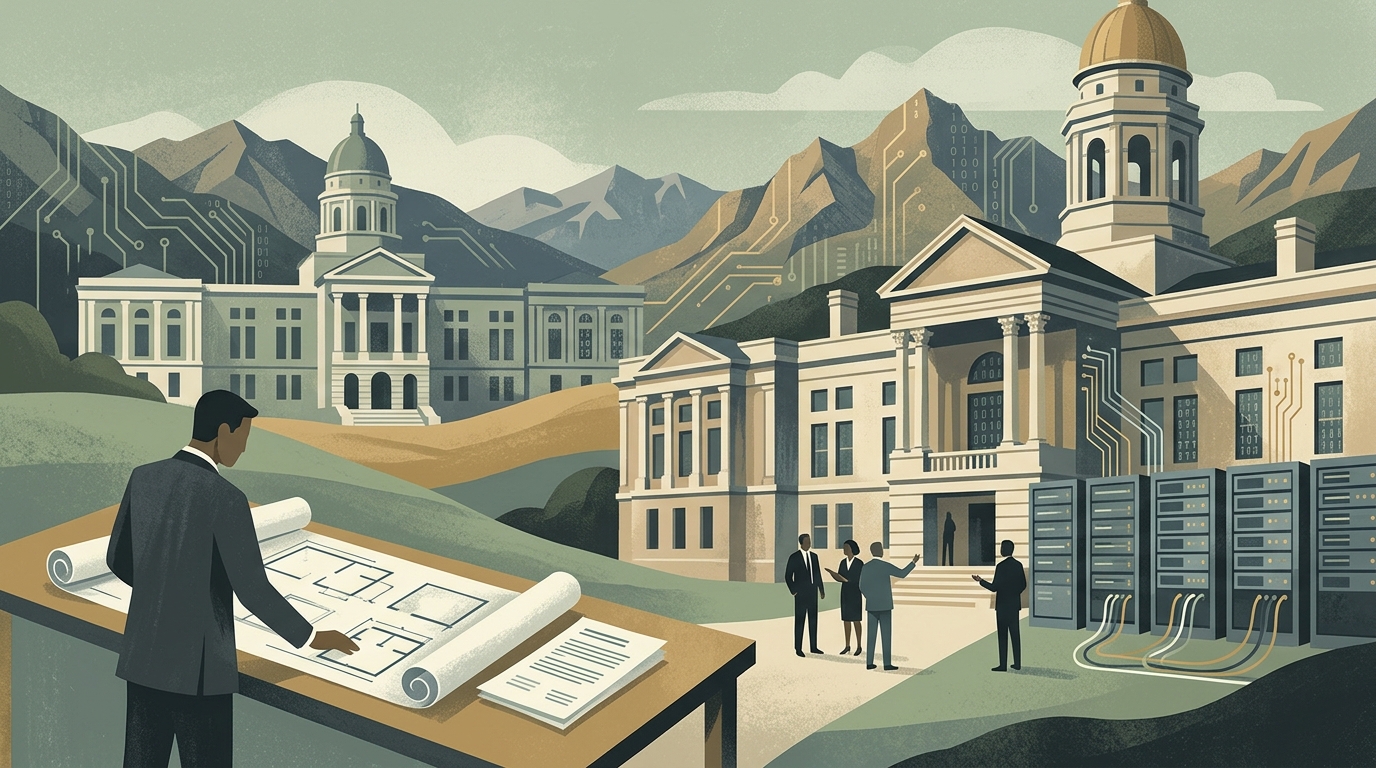
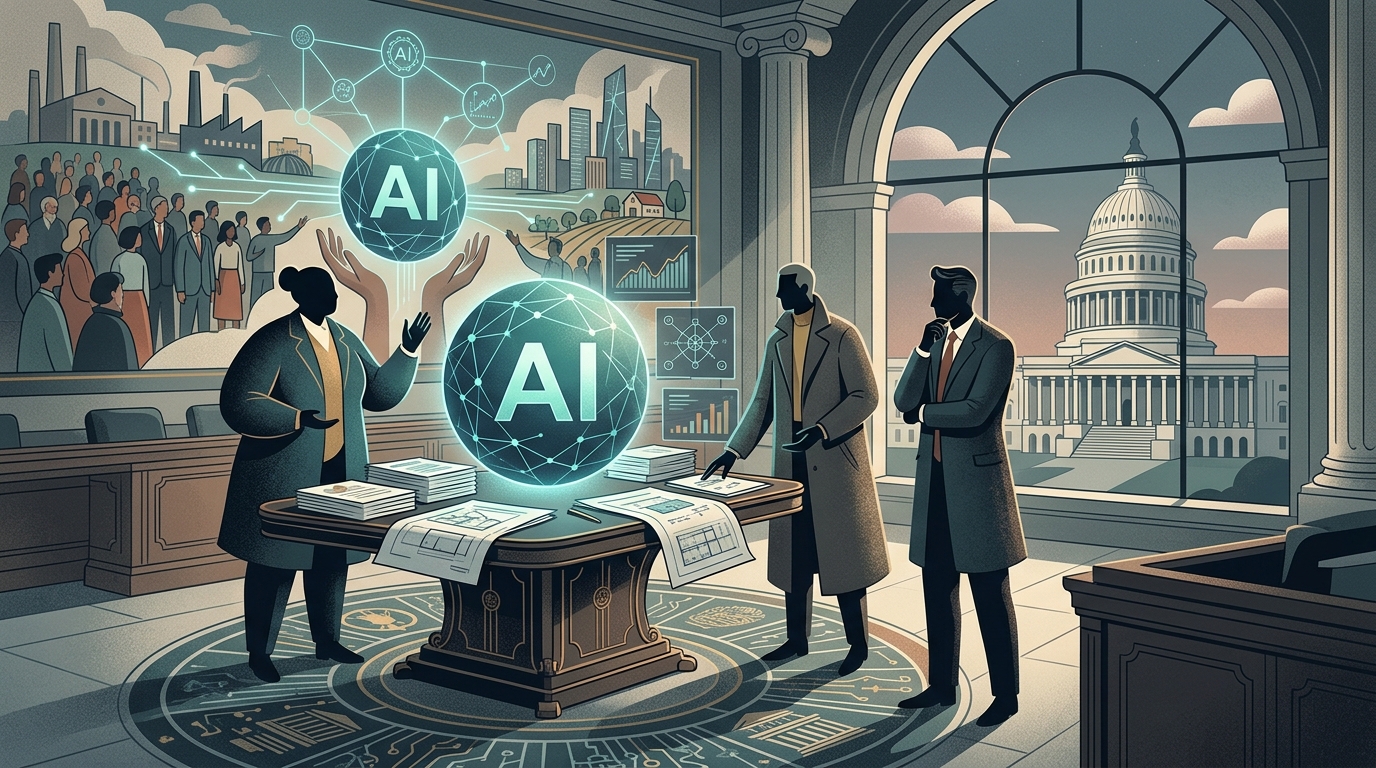
In 2026, this conflict takes on new dimensions through Artificial Intelligence. The use of algorithms to shape public opinion and the concentration of data by a handful of tech giants reinforce neoliberal control. Political communication has become a science of micro-targeting, where truth is sacrificed on the altar of engagement. When citizens live in digital bubbles, the possibility for a shared public discourse—a prerequisite for democracy—disappears.
The solution is not a return to an obsolete statism, but the reinvention of the public sphere. Democracy requires the protection of certain spheres of life from the logic of profit. It requires ensuring that the voice of the poorest citizen carries the same weight as that of the most powerful investor. If we fail to decouple economic freedom from political sovereignty, we risk ending up in a society where freedom is the privilege of the few and democracy is an empty shell.