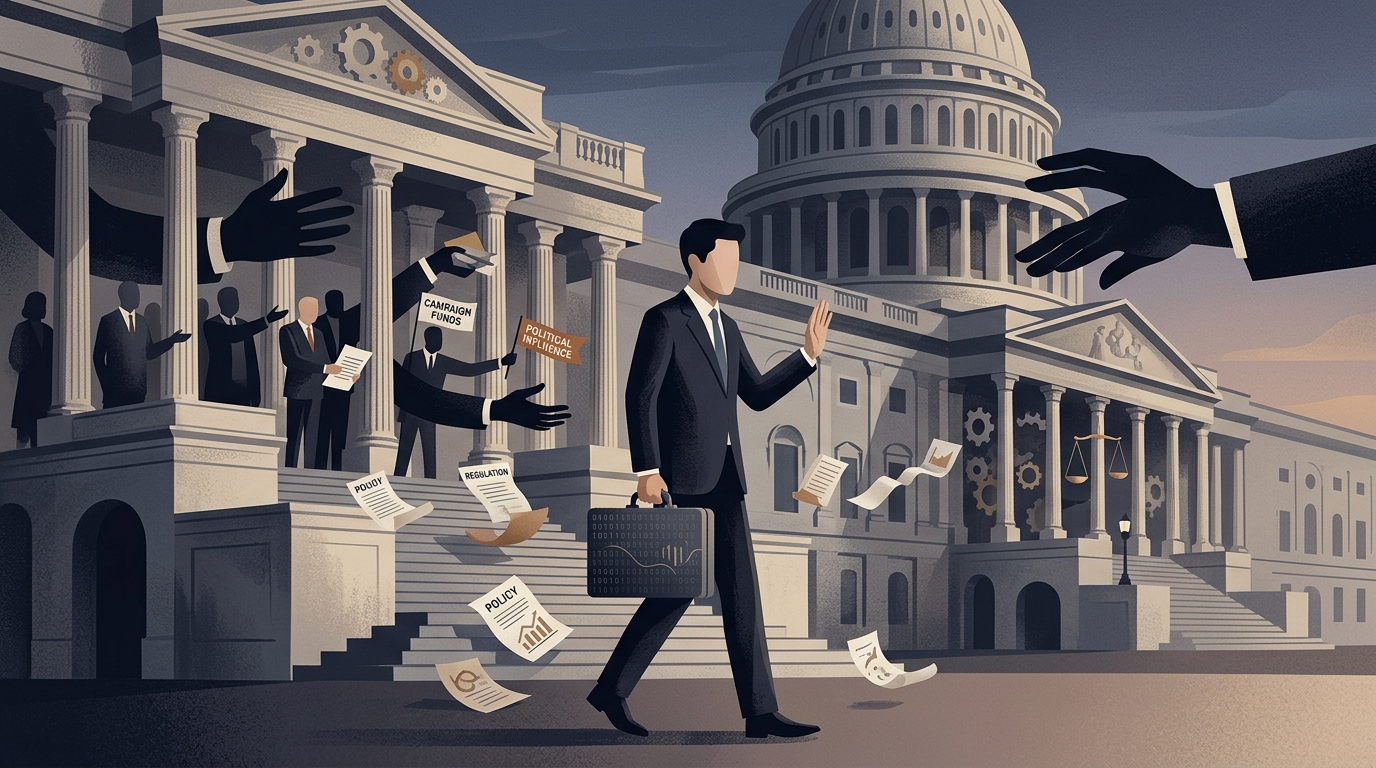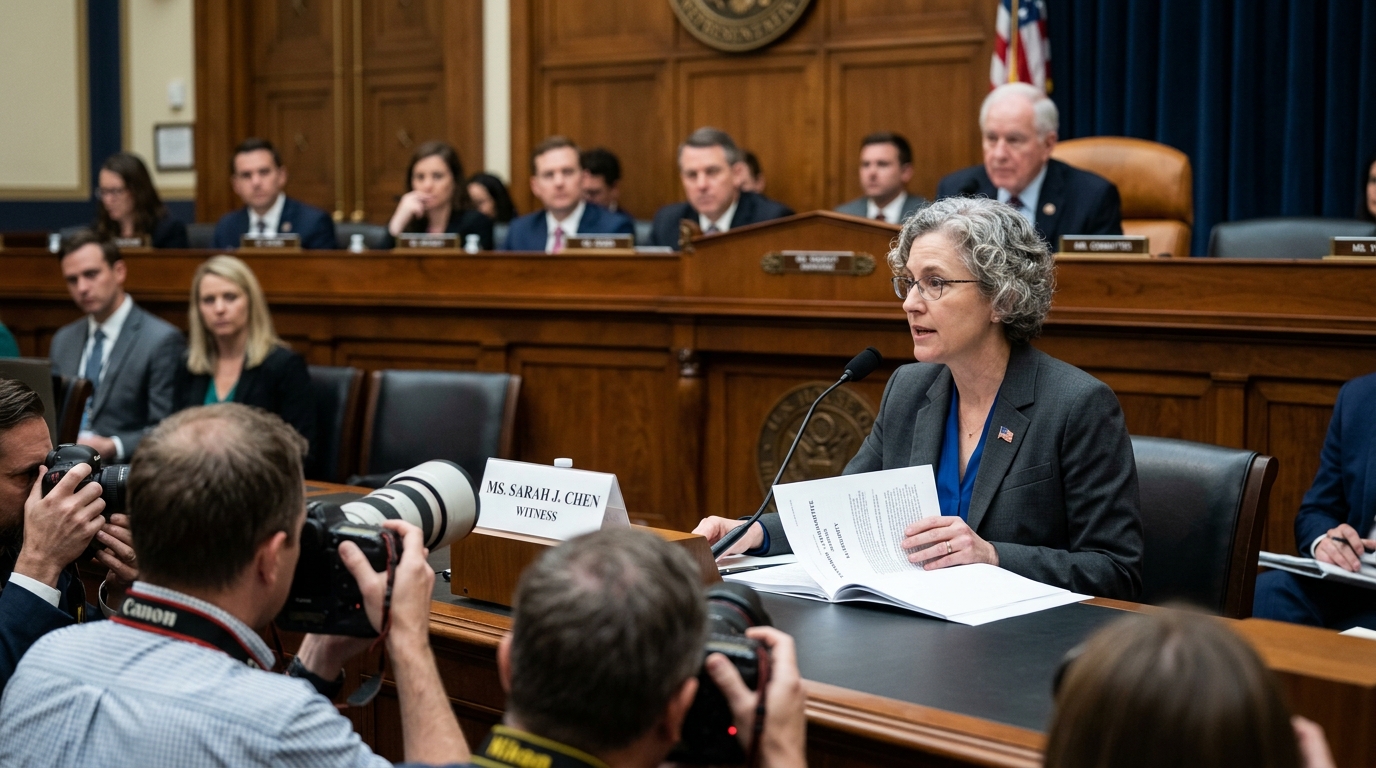
In an era where the lines between professional sports and financial markets are increasingly blurred, a significant legal and ethical confrontation is brewing in the United States. Player unions representing the NBA, NFL, MLB, NHL, and MLS have joined forces in a powerful letter to the Commodity Futures Trading Commission (CFTC). Their demand is clear: a ban on 'under' bets on individual player performances within prediction markets. This movement transcends mere profit margins; it strikes at the very heart of athletic integrity and player safety.
The Perverse Incentive: Betting on Failure
An 'under' bet allows a user to wager that an athlete will fail to meet a specific statistical benchmark—for instance, betting that an NBA star will score fewer than 20 points or an NFL quarterback will throw for less than 200 yards. While a staple of traditional sportsbooks, player unions argue that in the context of prediction markets, these bets create a 'perverse incentive' for failure. Unlike an 'over' bet, where a fan cheers for success, the 'under' transforms the spectator into an adversary of the athlete’s effort.
The situation escalates significantly when bets involve injuries. Prediction markets, which often operate under different regulatory frameworks than traditional sports betting, have begun offering contracts on whether a player will leave a game due to injury. The unions have labeled this practice 'inhumane' and 'dangerous,' as it treats human physical integrity as a tradable commodity. The ethical implications of profiting from a person's physical pain are profound and, according to the unions, indefensible in a civilized sporting landscape.
The CFTC’s Regulatory Crossroads
The CFTC is currently in the process of drafting new rules for prediction markets, such as Kalshi and Polymarket. These platforms often position themselves as tools for economic hedging rather than traditional gambling venues. However, the player unions contend that these specific bets serve no legitimate economic purpose and are merely high-stakes gambling disguised as commodity trading. In their correspondence, they emphasize that legitimizing these bets could invite unprecedented levels of match-fixing and manipulation.
'It is significantly easier for a player to intentionally underperform than it is to guarantee an elite performance,' the letter notes. This asymmetry of risk makes 'under' bets a prime target for those looking to influence game outcomes through bribery or coercion. Furthermore, the ability to bet on injuries creates a security risk, as external actors with a financial stake in a player's absence might be incentivized to cause harm. The unions argue that the CFTC must act to prevent the commodification of negative outcomes.
The Digital Arena: Harassment and Mental Health
Beyond the legal and integrity-based arguments lies a deeply human dimension. Athletes across all major leagues have reported an alarming surge in social media harassment from disgruntled bettors. When a player 'busts a parlay' by failing to hit a certain threshold, they often become the target of vitriolic abuse, death threats, and racial slurs. The unions view a ban on 'under' bets as a necessary step to safeguard the mental health and well-being of their members, who are increasingly viewed by the public as mere numbers on a screen rather than human beings.
This toxicity has reached a breaking point, with players like the NBA's Tyrese Haliburton and others speaking openly about how betting culture has soured the relationship between athletes and fans. By removing the financial incentive for fans to root for a player's failure, the unions hope to restore some level of sportsmanship to the viewing experience.
Conclusion: A Question of Values
The outcome of this petition will serve as a bellwether for the future of sports in a gambling-saturated world. As professional leagues continue to embrace multi-billion dollar partnerships with betting companies, the players are drawing a line in the sand. They are asserting that their bodies and their performances are not mere derivatives to be traded on a market. The CFTC’s decision will ultimately signal whether the regulatory priority lies with the expansion of financial markets or the protection of the human elements that make sports worth watching in the first place.