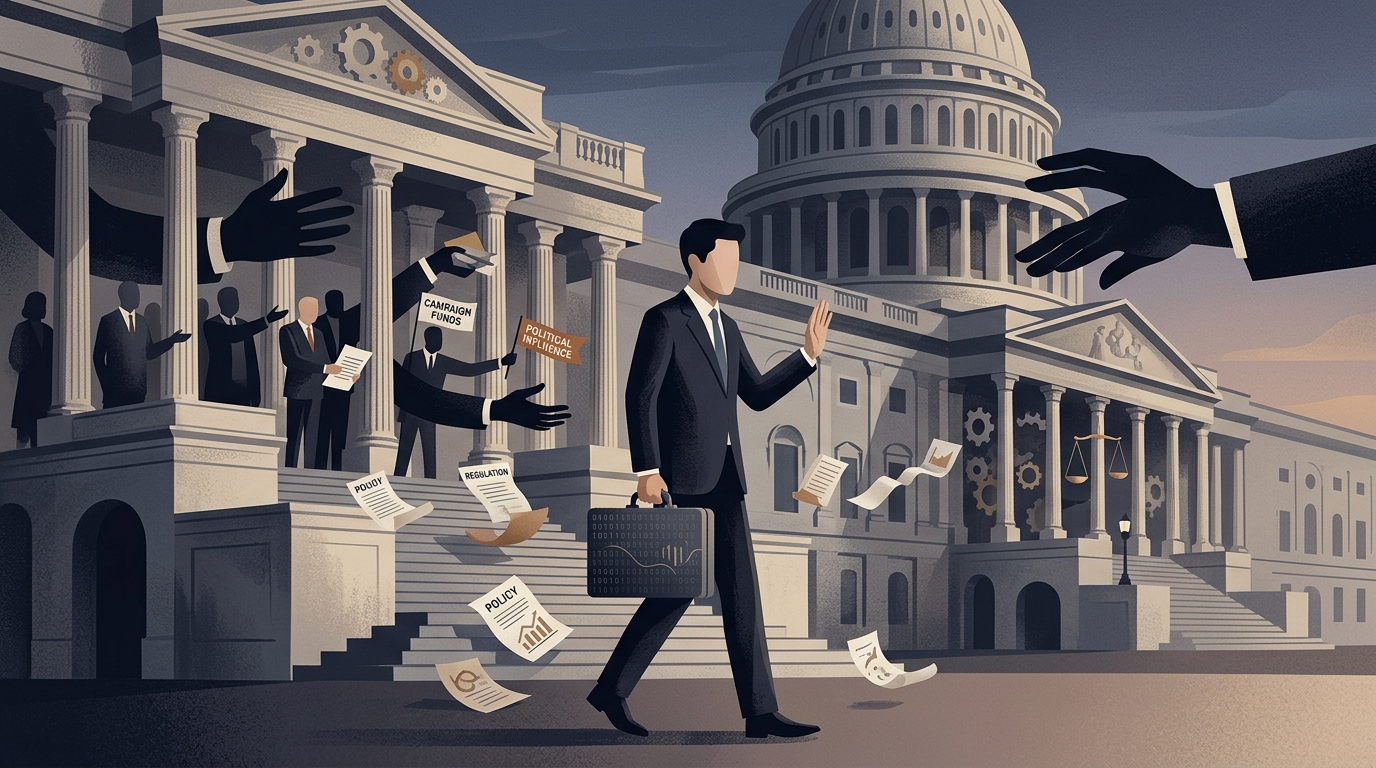
History often repeats itself, but in the world of technology, its cycles move with dizzying speed. Two decades ago, Microsoft was in the dock for bundling Internet Explorer with Windows. Today, in 2026, the stage has shifted from the desktop to the cloud and Artificial Intelligence. The UK’s Competition and Markets Authority (CMA) has launched an in-depth investigation that could reshape how businesses consume software globally.
The Bundling Issue and Strategic Choices
At the heart of the probe lies the practice of bundling—grouping disparate services into a single subscription package. The CMA is examining whether Microsoft uses its dominance in Office 365 to nudge businesses toward Azure and Teams, leaving little room for specialized competitors like Slack or Zoom. The problem isn't offering a good price; it's the creation of artificial barriers that make the cost of switching to another provider prohibitive.
Complaints allege that Microsoft’s licensing terms are structured to financially penalize companies that choose to run its software on competing clouds, such as Amazon’s AWS or Google Cloud. This "cloud tax," as some analysts call it, restricts the freedom of choice for IT departments and reinforces a self-sustaining monopolistic ecosystem.
The New Frontier: AI Lock-in
Where the current investigation differs from previous ones is the focus on Artificial Intelligence. By integrating Copilot into every facet of its ecosystem, Microsoft is creating what regulators call "AI Lock-in." When a company's data, documents, and communications are already within the Microsoft Graph, using a competing AI model (like Anthropic’s Claude or Google’s Gemini) becomes technically and economically inefficient.
"We are no longer in the era of simple products, but in the era of impenetrable digital ecosystems," says a CMA official.
The concern is that Microsoft is leveraging its privileged access to OpenAI’s models to create a "vertical integration" that no other market player can match. If a business depends on AI for contract drafting, data analysis, and customer management, and that AI functions optimally only within Microsoft’s walls, then exiting that system becomes practically impossible.
Implications for the European and Global Market
Although the investigation is being conducted in the UK, its implications are global. The European Commission is closely monitoring developments, having already initiated its own preliminary proceedings. Microsoft, for its part, argues that its practices promote innovation and offer value to customers through integration. However, the pressure for interoperability is mounting.
Regulators may demand that the tech giant unbundle certain services or radically change how cloud software licenses are priced. Such a decision would open the door for thousands of smaller software companies (SaaS) to compete on a level playing field, but it could also slow down the speed at which new AI features reach the end-user.
Conclusion: The Delicate Balance
The battle for the future of business software is not just about profits, but about the control of corporate intelligence. As AI becomes the operating system of the modern economy, the question of whether it will belong to one player or remain an open field of competition is more critical than ever. The UK’s CMA is tasked with solving a puzzle that will define digital sovereignty for the next decade.