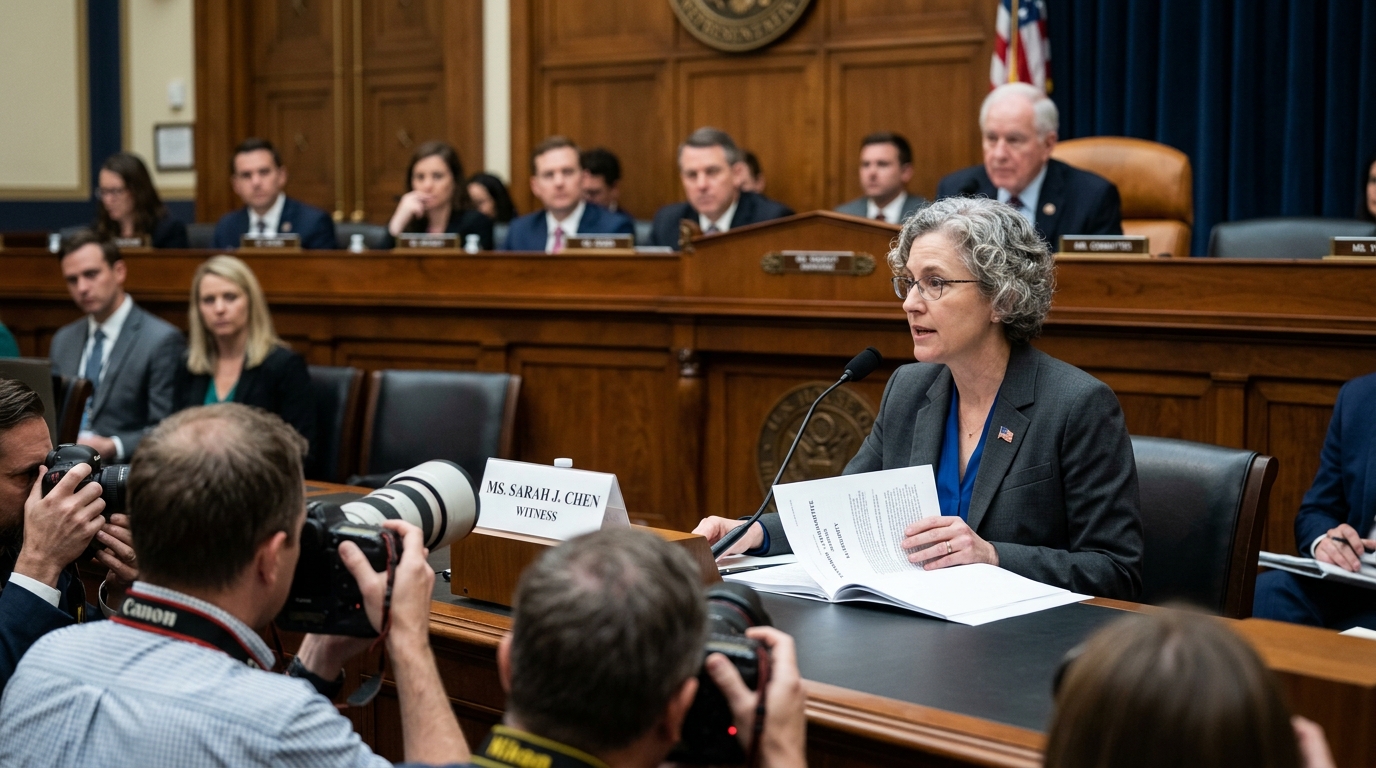
The standoff between Big Tech and national governments is entering a critical new chapter in Canada. On May 8, 2026, Meta representatives appeared before the Standing Committee on Public Safety and National Security to deliver their position on Bill C-22. This move is far more than a routine parliamentary appearance; it is a frontal collision over the limits of state surveillance in an era defined by encrypted communication and artificial intelligence.
Bill C-22, championed by the Trudeau administration, aims to bolster national security by granting law enforcement broader powers to access digital data. However, Meta—the parent company of Facebook, Instagram, and WhatsApp—contends that the proposed provisions could undermine fundamental civil liberties and create dangerous precedents for the global digital architecture.
Encryption as the Primary Battlefield
At the heart of the dispute lies end-to-end encryption. Meta has invested billions to ensure that user conversations remain inaccessible even to the company itself. Bill C-22, however, contains provisions that could compel tech firms to create "backdoors" for security services to bypass these protections.
"There is no safe way to create a key that unlocks communications only for the good guys," a Meta spokesperson stated during the testimony. The company's stance is unwavering: any weakening of encryption for national security reasons automatically makes all users vulnerable to cyberattacks from criminals and hostile nation-states. Meta argues that protecting privacy is not an obstacle to safety, but the very foundation of it.
AI and Proactive Safety Measures
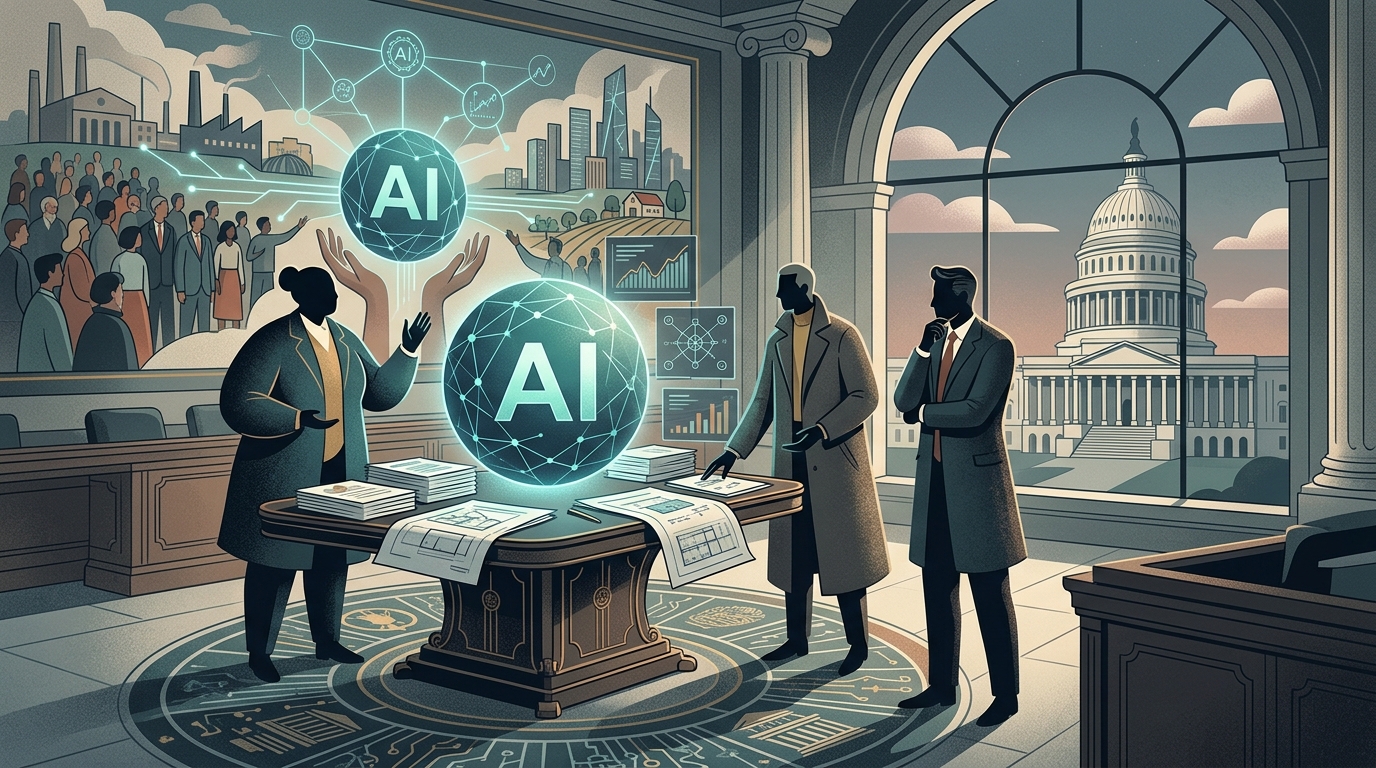
Meta did not merely play defense; it presented a technology-driven alternative. Instead of weakening encryption, the company proposes utilizing advanced AI systems that can detect patterns of illegal activity—such as child exploitation or terrorist recruitment—without compromising the content of private messages. These metadata insights and behavioral analyses represent, according to Meta, the modern way to police digital spaces without sacrificing privacy.
However, Canadian lawmakers remain skeptical. Many argue that Big Tech’s track record of self-regulation is spotty at best and that the state must have the final say when public safety is at stake. The committee hearing was heated, with questions focusing on Meta's liability for content shared on its platforms and the extent of its cooperation with authorities during urgent threats.
Geopolitical Implications and the Path Ahead
Canada’s legislative push is not an isolated incident. It follows in the footsteps of the UK’s Online Safety Act and the European Union’s AI Act. Meta appears to be using Canada as a testing ground for its global messaging, knowing that a loss here could trigger a domino effect of similar legislation worldwide. The company even hinted that overly restrictive rules could lead to a reduction of services in the country, reminiscent of its response to the news-sharing dispute under Bill C-18.
In conclusion, Bill C-22 represents a pivotal turning point. If passed in its current form, Canada will possess one of the most interventionist legal frameworks in the Western world. If Meta succeeds in its advocacy, it will have further solidified the autonomy of tech platforms over state oversight. The stakes are not just the safety of Canadians, but the very nature of a free and private internet in the 21st century.