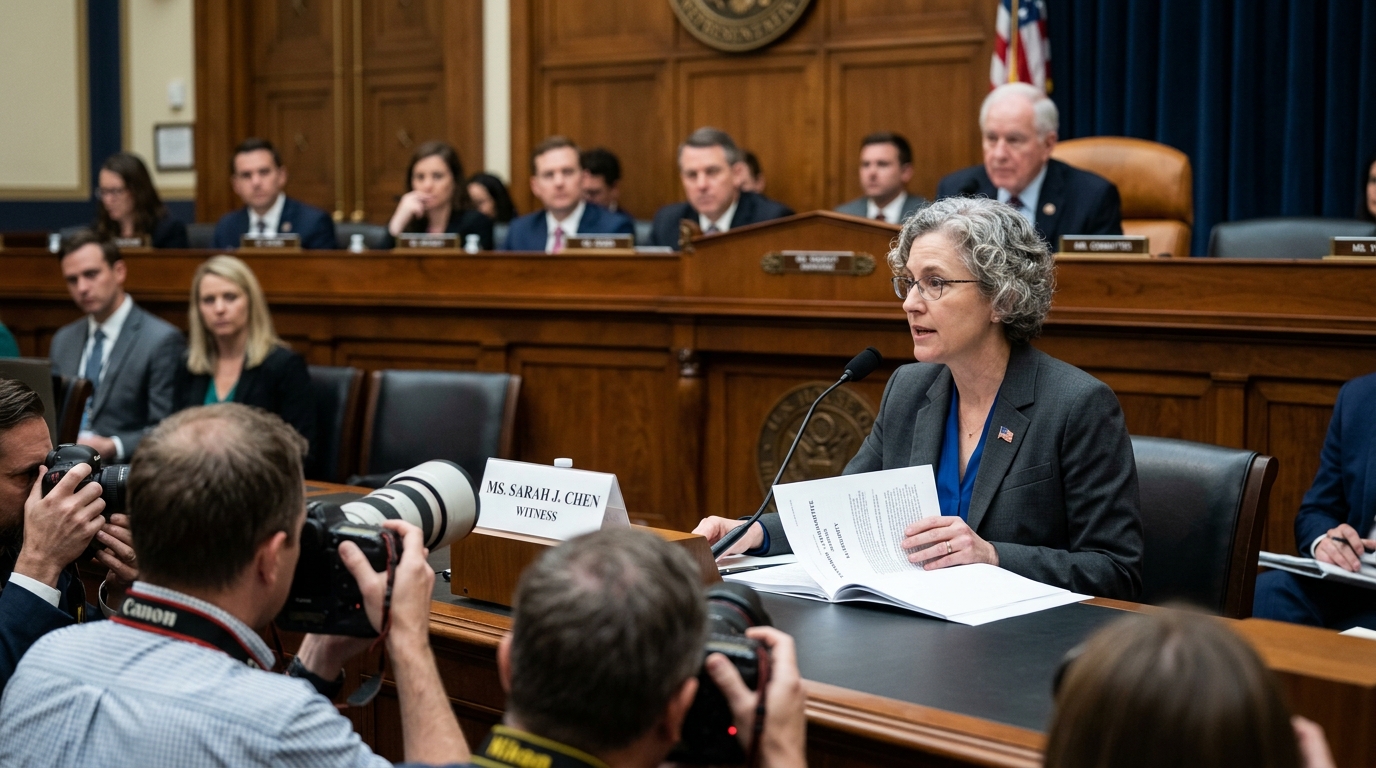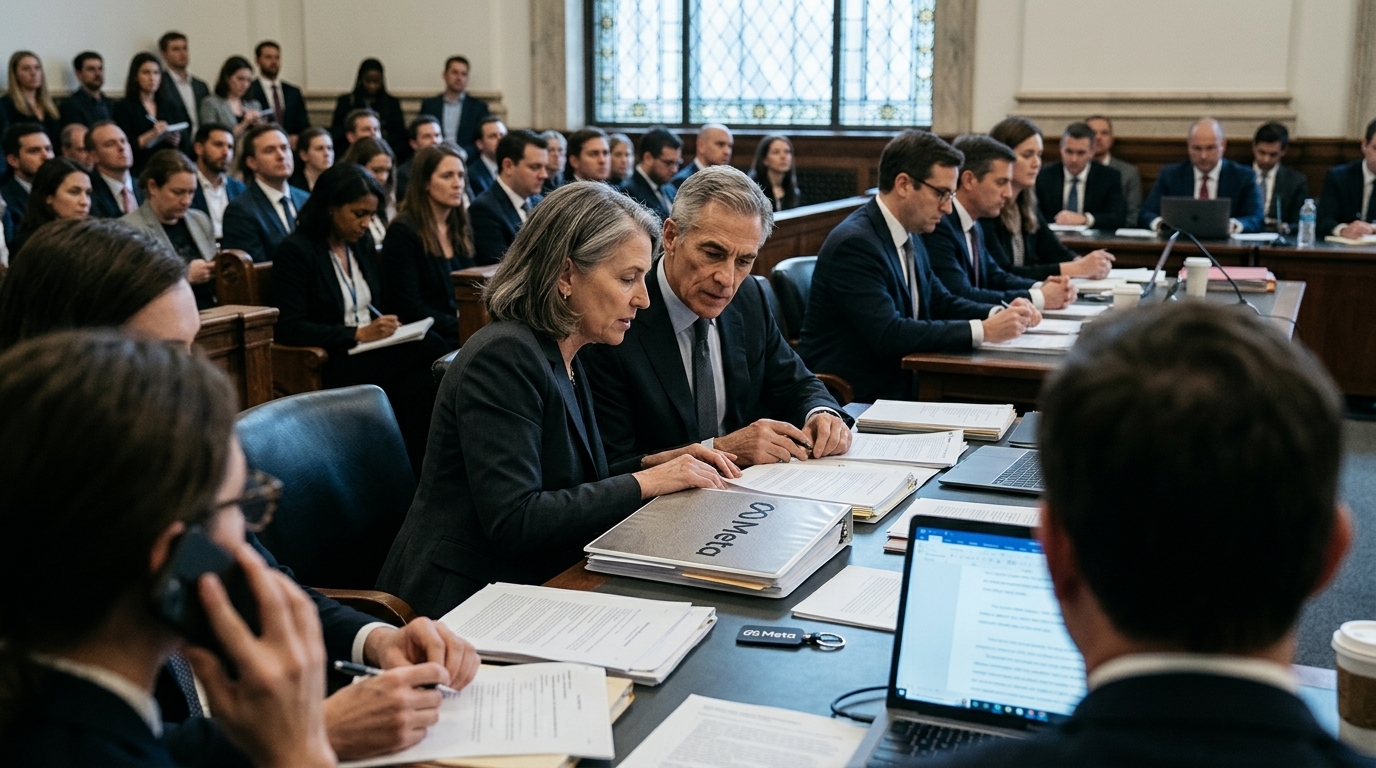
The long-brewing tension between Silicon Valley and the literary world reached a boiling point this week as Meta, the social media titan behind Facebook and Instagram, was hit with a massive class-action lawsuit. Five of the world's most influential publishing houses—Macmillan, Penguin Random House, Hachette, HarperCollins, and Simon & Schuster—alongside a group of prominent authors, have alleged that Meta engaged in "one of the most massive infringements of copyrighted materials in history" to fuel its AI ambitions.
At the heart of the litigation is the training process for Meta’s Llama family of large language models (LLMs). The plaintiffs claim that Meta systematically ingested hundreds of thousands of copyrighted books without permission, compensation, or credit. Filed in federal court, the lawsuit arrives as the generative AI industry faces a critical reckoning over whether the use of proprietary data for training constitutes "fair use" or simple digital piracy on an industrial scale.
The 'Black Box' of Training Sets
One of the most damaging allegations in the filing concerns Meta’s reported use of the "Books3" dataset. This repository, part of a larger collection known as "The Pile," contains nearly 200,000 titles sourced from shadow libraries and pirated websites. The publishers argue that Meta was fully aware of the illicit origins of this data but proceeded to use it anyway, recognizing that high-quality prose is essential for developing AI that can reason, converse, and write with human-like nuance.
"Meta could not have built a system capable of mimicking human thought and expression without misappropriating the life's work of those who dedicate themselves to the craft of writing," the publishers stated in a joint press release. The lawsuit contends that Meta didn't just copy the text; it commercialized the very "structure, logic, and style" of these works, creating a product that now directly competes with the authors it exploited.
Meta’s Defense and the Fair Use Doctrine
Meta is expected to mount a defense similar to those used by OpenAI and Google in previous litigations. Their core argument rests on the principle of "transformative use." According to this legal theory, AI training doesn't produce copies of the original works; instead, it extracts statistical patterns to create a fundamentally new tool. Meta’s lawyers will likely argue that their AI learns from books in much the same way a human student reads a library of texts to gain knowledge before producing original insights.
However, legal experts suggest that the scale and commercial intent of Meta's operations might undermine this defense. When a trillion-dollar corporation utilizes the entirety of modern literature to build a commercial engine that can generate competing content, the "fair use" argument faces unprecedented scrutiny. The court's decision will determine whether AI training data must be licensed in a manner similar to how music is licensed for streaming platforms or films for broadcast.
Economic Stakes and the Future of Publishing
If the court rules in favor of the publishers, the financial liability for Meta could be staggering. Under U.S. copyright law, statutory damages for willful infringement can reach up to $150,000 per work. Given the thousands of titles allegedly involved, the potential fines could reach billions of dollars. Beyond the financial penalty, a ruling against Meta could mandate a "technological lobotomy," forcing the company to purge its models of the knowledge gained from copyrighted works—a process that is technically complex and potentially devastating to the models' performance.
The lawsuit also highlights a growing divide in the industry. While some publishers have opted for licensing deals—such as the agreements between OpenAI and Axel Springer or the Financial Times—Meta’s approach has been perceived as more aggressive. "It is the classic 'move fast and break things' mentality," noted one legal analyst. "But in this case, what they are breaking is the economic foundation of the creative class. You cannot have a flourishing culture if the creators are treated as mere raw material for a corporate algorithm."
Conclusion: An Existential Battle for Creativity
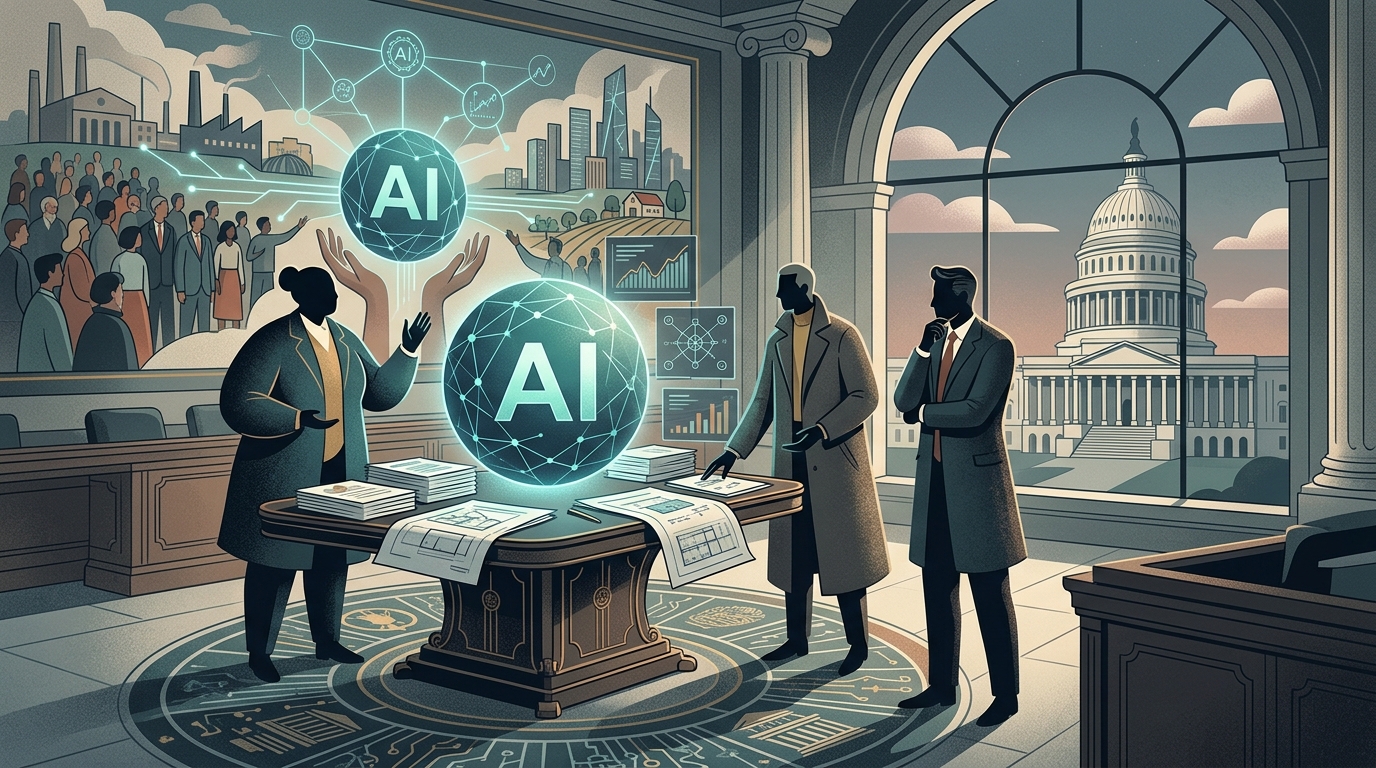
The case of Meta vs. The Big Five is more than a legal dispute over royalties; it is an existential battle for the value of human creativity in the age of automation. As 2026 shapes up to be the year of AI regulation, the outcome of this trial will set a global precedent. Will we allow technology to be built upon the uncompensated labor of the past, or will we demand a new social contract that respects intellectual property? The verdict will resonate far beyond the courtroom, defining the boundaries of the digital frontier for decades to come.