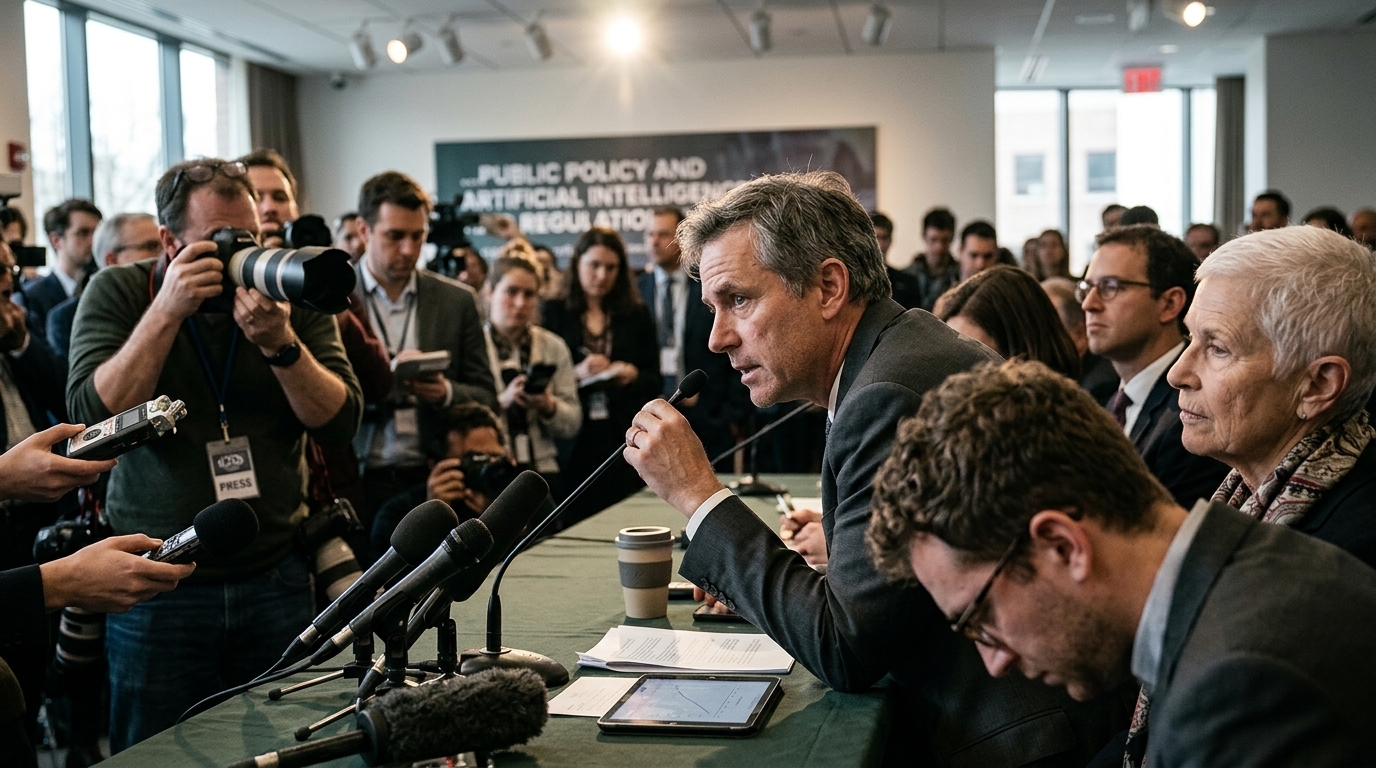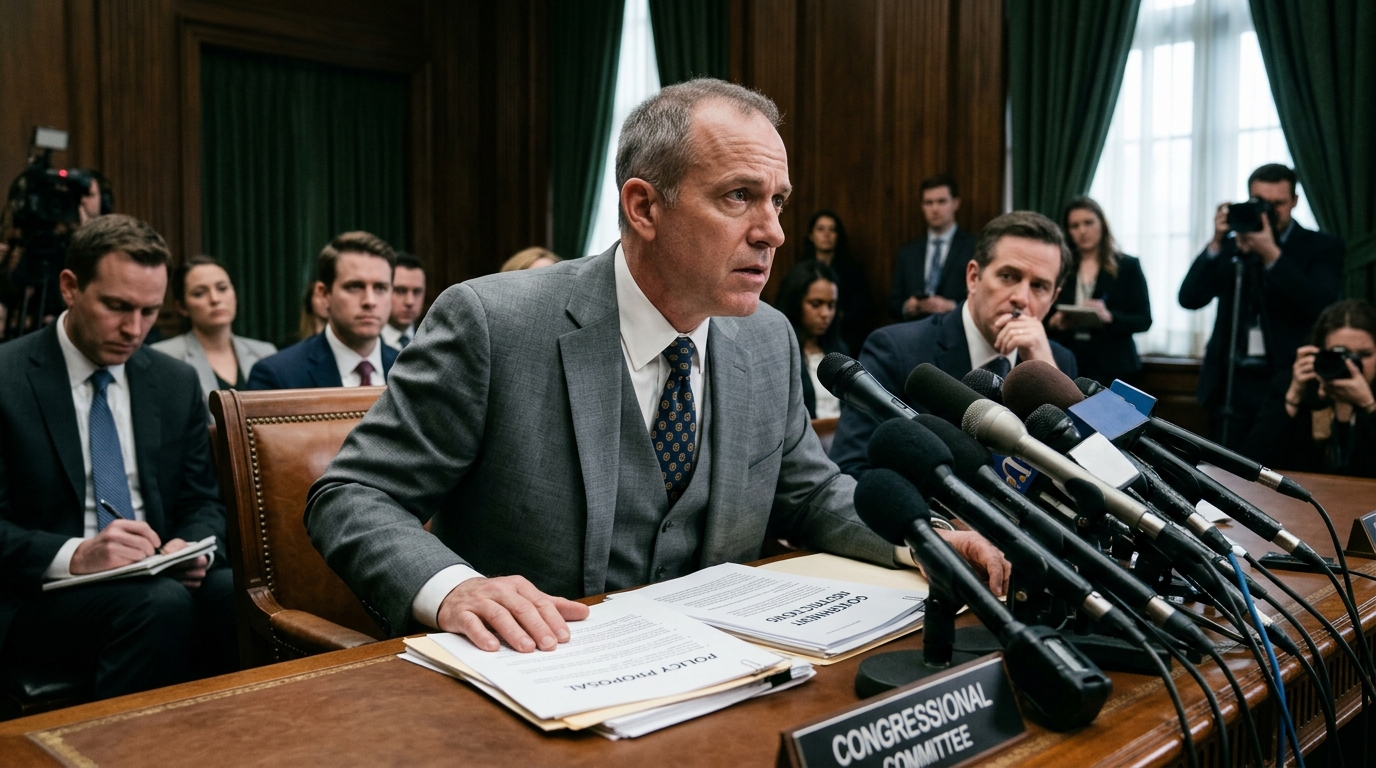
Tensions between the U.S. administration and the legislative branch reached a new boiling point this week as a bipartisan group of lawmakers demanded full transparency regarding recent restrictions imposed on Anthropic. This move, brought to light by extensive reporting from The Washington Post, highlights a growing rift between the executive branch—citing urgent national security risks—and legislators who fear that over-regulation could hand the reins of Artificial Intelligence to foreign adversaries.
The Backdrop of the Restrictions
At the heart of the dispute lies a series of classified directives that allegedly restricted Anthropic’s ability to deploy its most advanced models, Claude 4 and Claude 4.5, in certain international markets and to enter strategic partnerships with specific foreign tech giants. The administration, utilizing powers derived from the 2023 Executive Order on AI and its 2025 updates, argues that the "dual-use" capabilities of Anthropic’s models pose a risk if they fall into the wrong hands.
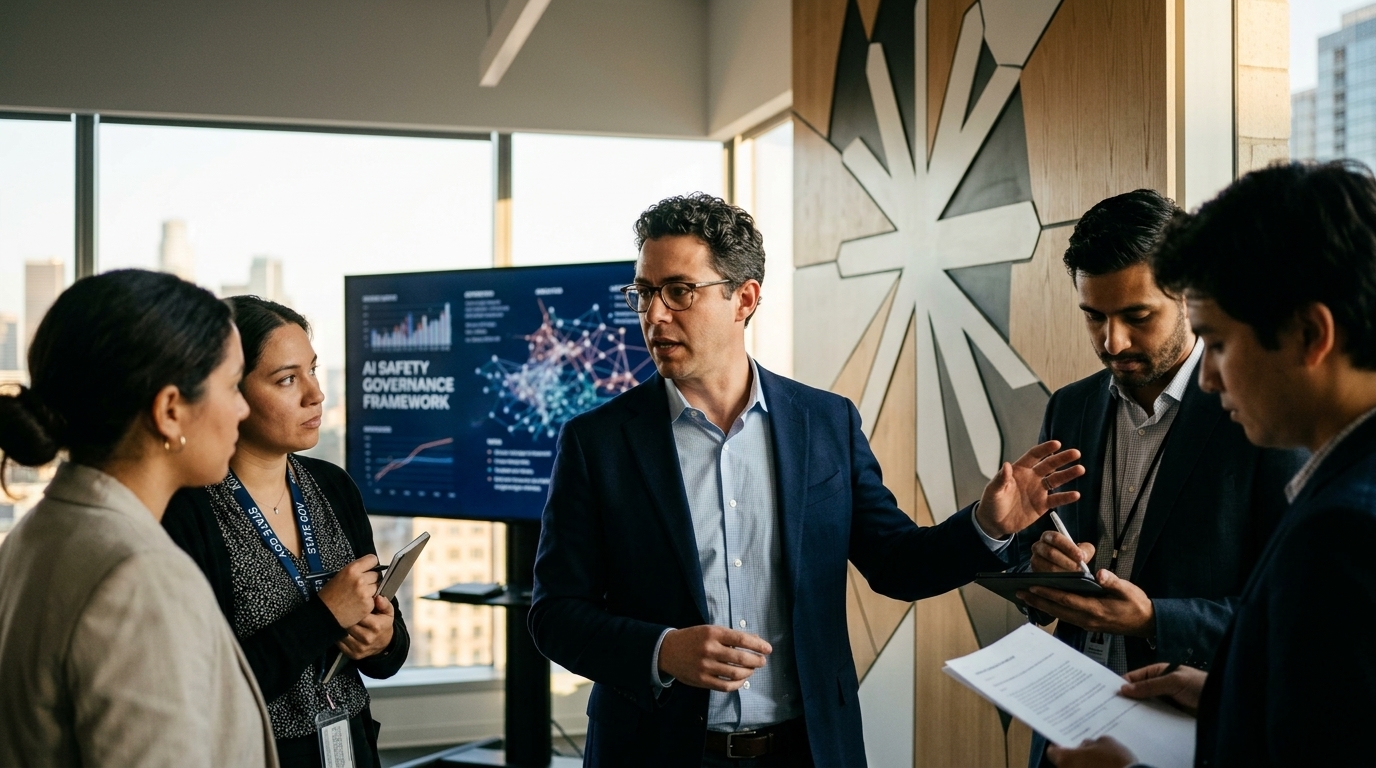
However, critics on Capitol Hill argue that these restrictions were imposed without sufficient evidence and without Congressional input. In a letter addressed to the Department of Commerce, lawmakers emphasized that the lack of clear criteria for what constitutes a "threat" creates an environment of uncertainty that stifles American entrepreneurship. "We cannot govern through secret decrees in a field that will define the economic power of the 21st century," stated a prominent member of the House Energy and Commerce Committee.
National Security vs. Innovation
Anthropic, founded with a focus on "AI safety" and the development of "Constitutional AI," finds itself in an ironic position. While the company itself has warned about the risks of frontier models, it now finds its own warnings being used as justification for limiting its growth. The company’s leadership, while officially maintaining a cautious stance, has expressed concerns that competitors from China and other regions, who are not bound by similar ethical or governmental constraints, are gaining ground.
- The administration fears the use of models for creating biological weapons or advanced cyberattacks.
- Lawmakers are concerned about the loss of the "first-mover advantage" in the global market.
- There are suspicions of political motives and favoritism toward other Silicon Valley players.
The question looming over Washington is whether these restrictions are based on actual technical data or if they represent an attempt by the bureaucracy to control a technology it does not fully understand. Anthropic has invested billions in alignment, making its models—theoretically—the safest in the world. Why, then, is the administration targeting the very company that has made safety its banner?
The Political Dimension and the Path Forward
The pressure from Congress isn't just about Anthropic. It is a warning shot to the executive branch that the era of a "blank check" in AI regulation is ending. Lawmakers are preparing legislation that would require the government to publicly justify any restriction imposed on tech companies, unless it involves matters of direct military espionage.
"If we restrict Anthropic today without transparency, who is next? OpenAI? Google? Or perhaps every startup that dares to innovate beyond the boundaries set by an anonymous bureaucrat?"
As we move into the latter half of 2026, the battle for AI control is shifting from laboratories to courtrooms and Congressional committees. The outcome of this confrontation will determine not only the future of Anthropic but also whether the U.S. will remain the global leader in AI or become trapped in a web of protectionism and fear. Transparency is no longer an option but a necessity to maintain public and market trust.