As we cross into the midpoint of 2026, the artificial intelligence market is entering a phase of "sober maturity." The era of generous, flat-rate subscriptions that allowed enterprises to experiment without fiscal restraint appears to be drawing to a close. Microsoft, the undisputed titan of productivity software, has announced a radical shift in the billing model for Copilot Cowork, moving toward a consumption-based (usage-based) billing system. Simultaneously, the revelation that the tech giant is seriously eyeing the integration of models from the Chinese lab DeepSeek is sending ripples through the industry, raising questions about the future of its exclusive relationship with OpenAI.
The Economic Reality of Compute Costs
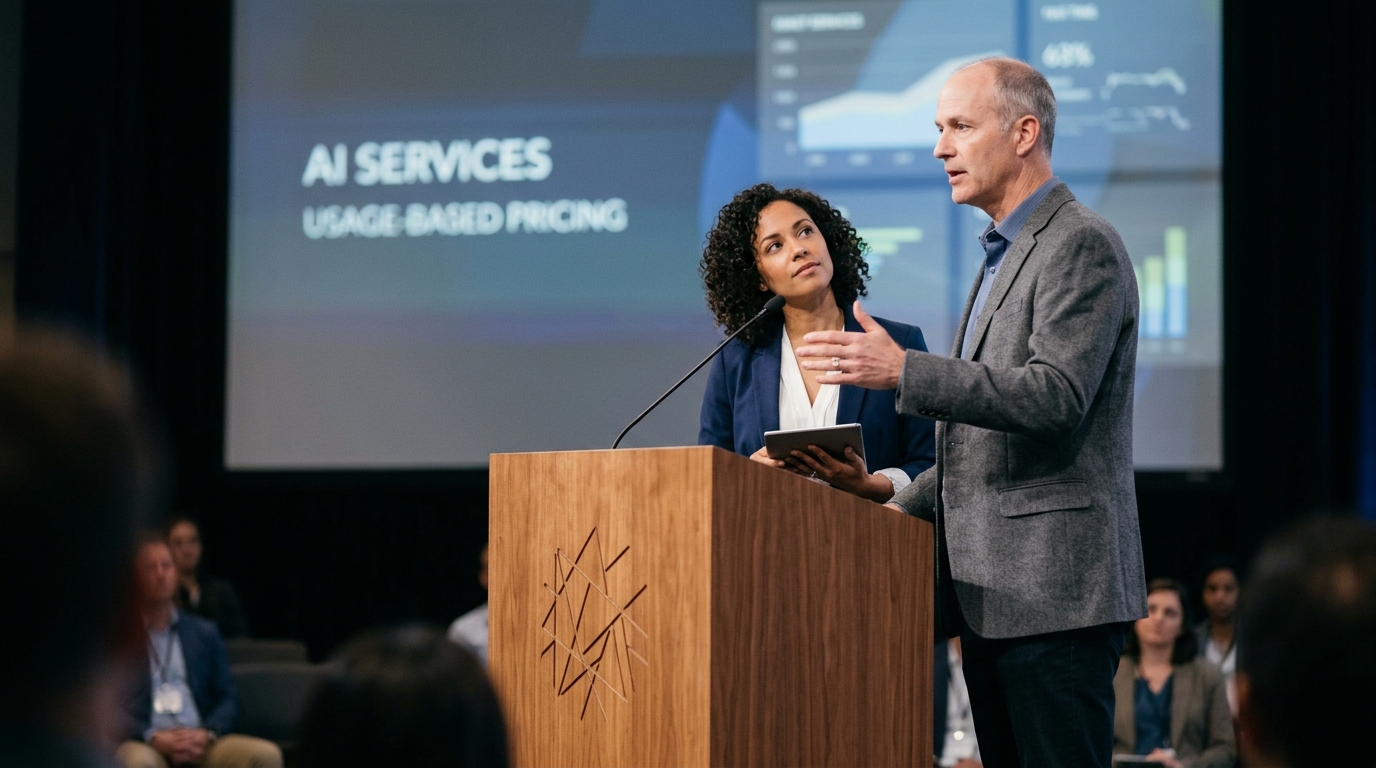
Microsoft's decision comes as no surprise to analysts closely monitoring data center expenditures. Running Large Language Models (LLMs) remains an incredibly expensive endeavor. To date, the flat monthly subscription of $30 or $50 per user often failed to cover the actual costs incurred by "heavy users" who leverage AI for complex coding tasks or deep data analysis. Under the new model, enterprises will be billed similarly to Azure cloud services: you pay for what you consume.
This shift transfers the burden of cost management from the provider to the customer. Chief Technology Officers (CTOs) will now have to monitor "token consumption" with the same vigilance they apply to utility bills. This is expected to lead to a more rational application of AI, where users might think twice before delegating a trivial task to a compute-heavy, high-parameter model.
The DeepSeek Factor and the Efficiency Pivot
The most compelling aspect of this announcement is the pivot toward DeepSeek. The Chinese startup has stunned the tech world with models that offer GPT-4 level performance at a fraction of the training and operational costs. DeepSeek’s use of Mixture of Experts (MoE) architecture allows for the activation of only the necessary parts of the neural network for any given query, dramatically slashing the required compute power.
For Microsoft, integrating DeepSeek into the Copilot Cowork ecosystem is a move of pure pragmatism. While the partnership with OpenAI remains the central pillar, the demand for cheaper, faster AI for mundane tasks—such as drafting emails or summarizing meetings—makes DeepSeek’s models highly attractive. This signals a transition from a "one-size-fits-all" model to a sophisticated multi-model strategy where the right tool is used for the right task at the right price.
Geopolitical and Business Implications
Choosing a Chinese-developed model for an American behemoth like Microsoft is not without its perils. In a climate of escalating tensions between the US and China over AI supremacy, this move will be scrutinized by regulators. Microsoft will need to provide ironclad guarantees that customer data remains secure and that the deployment of DeepSeek’s technology complies with export restrictions and national security protocols.
However, the message to OpenAI is unmistakable: exclusivity has an expiration date if it isn't coupled with economic sustainability. Microsoft is diversifying its "intelligence supply chain," ensuring it does not remain hostage to the ever-increasing capital requirements of Sam Altman’s firm.
Conclusion: AI as a Utility
The transition to usage-based billing is the final step in establishing AI as a standard utility, akin to electricity or water. Businesses that successfully integrate AI with maximum efficiency will hold the ultimate competitive edge. Microsoft, by eyeing DeepSeek, demonstrates that in the pursuit of profitability and global scale, geographic borders and exclusive alliances are secondary to the bottom line.