In a move described as the most significant realignment of the American technology industry in decades, President Donald Trump today announced a strategic partnership between Apple and Intel. The deal, which involves manufacturing Apple’s advanced custom silicon at Intel’s domestic foundries, marks a decisive shift toward "silicon sovereignty" and a strategic decoupling from Asian supply chains.
The Return of Silicon to American Soil
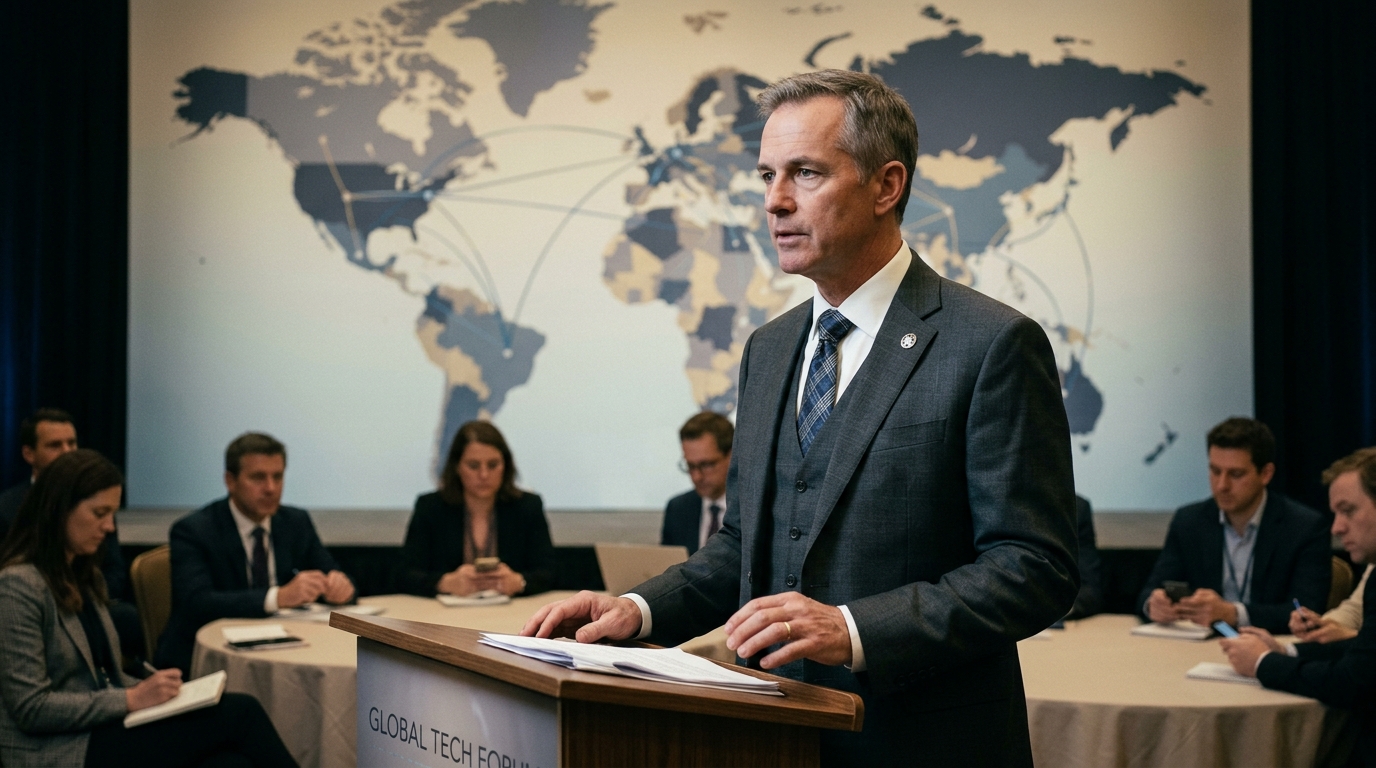
The announcement, made during a high-profile press conference at the White House, sent Intel shares surging as the company finally secured the "anchor tenant" it desperately needed for its foundry business. For Apple, the move represents a high-stakes geopolitical maneuver. For years, the tech giant relied almost exclusively on Taiwan’s TSMC, a dependency that left the company exposed to escalating tensions between Washington and Beijing.
According to sources cited by Bloomberg, the deal is not merely a commercial agreement but is backed by billions in federal subsidies aimed at expanding Intel’s manufacturing clusters in Arizona and Ohio. President Trump emphasized that this initiative would create thousands of high-skilled jobs while ensuring that the "brains" of American devices are manufactured within the country's borders.
Intel: From Crisis to Renaissance?
For Intel, the Apple partnership is the lifeline it has been seeking for years. After a period defined by manufacturing delays and losing market share to rivals like Nvidia and AMD, Intel, under CEO Pat Gelsinger, has been fighting to prove it can compete with TSMC at the leading edge (sub-2nm nodes). Winning Apple’s business—a company known for its uncompromising technical standards—serves as the ultimate validation for the Intel 18A process and the company’s future roadmap.
However, analysts remain cautious regarding the timeline. Shifting production from Taiwan to the US is not a "copy-paste" operation. It requires a fundamental redesign of chip architectures and massive investment in EUV (Extreme Ultraviolet) lithography infrastructure. Apple, however, appears willing to pay the premium for domestic production, likely in exchange for tax incentives and preferential access to government contracts.
Defense Tech and the Rise of Anduril
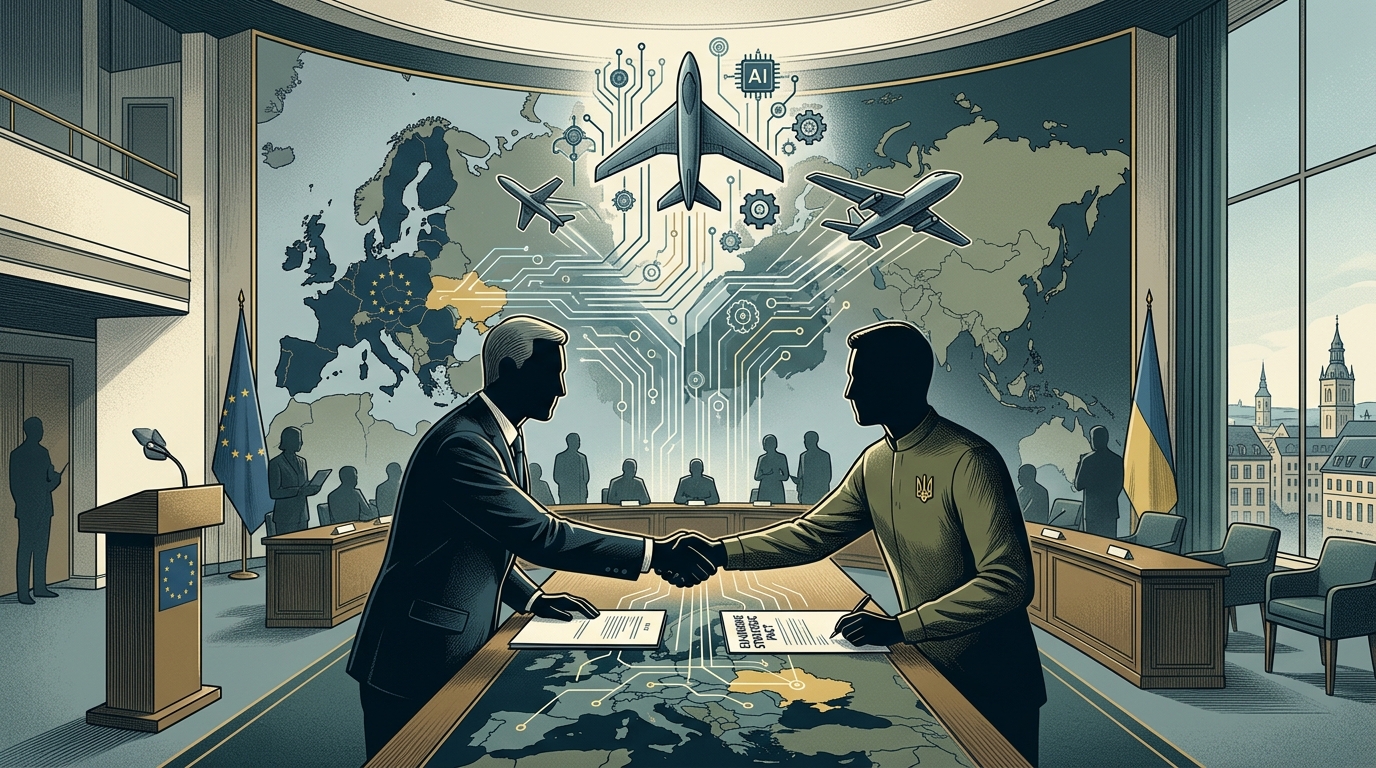
Beyond consumer electronics, the announcement carried a heavy national security undertone. The CEO of Anduril Industries, the firm revolutionizing defense tech through AI, confirmed that the company has secured a major contract with the US Air Force. The contract involves the production of Collaborative Combat Aircraft (CCA)—autonomous drones that will utilize American-made processors.
The connection is clear: the Trump administration is building a closed ecosystem where American AI innovation (Apple, Anduril) is powered by American manufacturing might (Intel). This is the full realization of the "Fortress America" doctrine, where technology is no longer viewed as a global commodity but as a critical national asset.
Geopolitical Consequences and the Road Ahead
This move is expected to send shockwaves through Taipei. TSMC, while still holding the technical lead, is seeing its largest customer pivot toward a domestic competitor under pressure from Washington. Simultaneously, Beijing is likely to interpret this alliance as another step in the technological containment of China, further accelerating its own push for semiconductor self-sufficiency.
The lingering question is whether the cost of this shift will be passed on to the consumer. Manufacturing chips in the US is traditionally 30-40% more expensive than in Asia. Will we see a "$2,000 iPhone" as a result of this economic nationalism? Or will AI-driven efficiency gains and government subsidies absorb the impact? One thing is certain: June 18, 2026, will be remembered as the day the globalization of technology faced its most profound challenge.